What is Non Profit Margin?
Jan 21
Introduction
Nonprofit margin, also referred to as an operating margin for nonprofits, is the difference between a nonprofit organization’s total revenue and total expenses, expressed as a percentage of revenue. While nonprofits do not operate for profit, maintaining a positive margin ensures financial sustainability, allowing the organization to reinvest surplus funds into its mission, programs, and services. It serves as an indicator of operational efficiency and financial health.
How it works?
A nonprofit animal shelter generates $500,000 in revenue from donations, grants, and fundraising events during a fiscal year. Its total expenses, including staff salaries, animal care, and administrative costs, amount to $450,000. The nonprofit margin is calculated as:
Nonprofit Margin = (Revenue - Expenses) ÷ Revenue × 100
= ($500,000 - $450,000) ÷ $500,000 × 100 = 10%.
This 10% margin indicates that the shelter has a surplus of $50,000, which it can use to expand its operations, improve facilities, or support additional animals.
Why it is important?
Nonprofit margin is critical for ensuring the financial sustainability and mission-driven success of nonprofit organizations. Its importance includes:
1. Sustainability: A positive margin allows nonprofits to build reserves for future operations and weather financial uncertainties.
Example: A community food bank saves surplus funds from its 15% nonprofit margin to address increased demand during emergencies like natural disasters.
2. Mission Reinvestment: Surpluses enable nonprofits to reinvest in programs and services, enhancing their impact.
Example: An educational nonprofit uses its margin to launch new literacy programs for underprivileged children.
3. Donor and Grantor Confidence: Nonprofits with consistent positive margins demonstrate fiscal responsibility, attracting more support from donors and grantors.
Example: A nonprofit environmental organization secures additional grants after presenting its efficient financial management to funders.
4. Operational Stability: Maintaining a healthy margin ensures nonprofits can cover unexpected costs, such as equipment repairs or rising program expenses.
Example: A healthcare nonprofit uses surplus funds to replace outdated medical equipment without disrupting ongoing services.
Types of Nonprofit Margins:
1. Operating Margin: The percentage of surplus generated from core operations, excluding non-operating items like investments or one-time gains.
Example: A youth organization calculates its operating margin to assess the sustainability of its after-school programs.
2. Program Margin: The surplus or deficit generated by specific programs or services, helping nonprofits evaluate individual program performance.
Example: A nonprofit art gallery identifies that its community workshops generate a 5% program margin, while private tours generate 15%.
3. Restricted vs. Unrestricted Margin: Restricted funds are tied to specific purposes, while unrestricted funds can be used for any operational needs. Nonprofits often track margins separately for each category.
Example: A foundation calculates its unrestricted margin to determine how much funding is available for administrative expenses.
4. Net Margin (Overall): The overall surplus or deficit, including both operating and non-operating revenues and expenses. This provides a complete view of financial health.
Example: A nonprofit music school tracks its net margin by including donations, tuition fees, and investment income alongside program costs.
Conclusion:
Nonprofit margin is a vital measure of financial efficiency and sustainability for mission-driven organizations. By analyzing operating, program, and net margins, nonprofits can ensure they allocate resources effectively, maintain donor trust, and achieve long-term stability. A positive margin allows nonprofits to reinvest in their mission, expand services, and manage challenges, ultimately increasing their impact on the communities they serve.
Accounting and Bookkeeping courses for you
Subscribe to our newsletter
Stay informed with the latest accounting tips, tools, and updates from Accountutor right in your email inbox.
Thank you!
Policy Pages
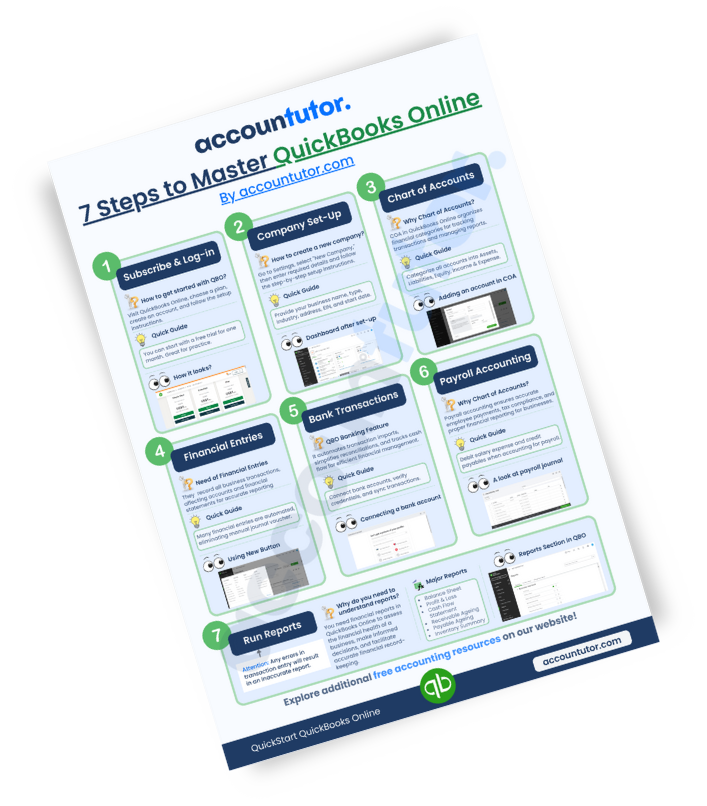
Download QuickBooks Online PDF Guide
Thank you!
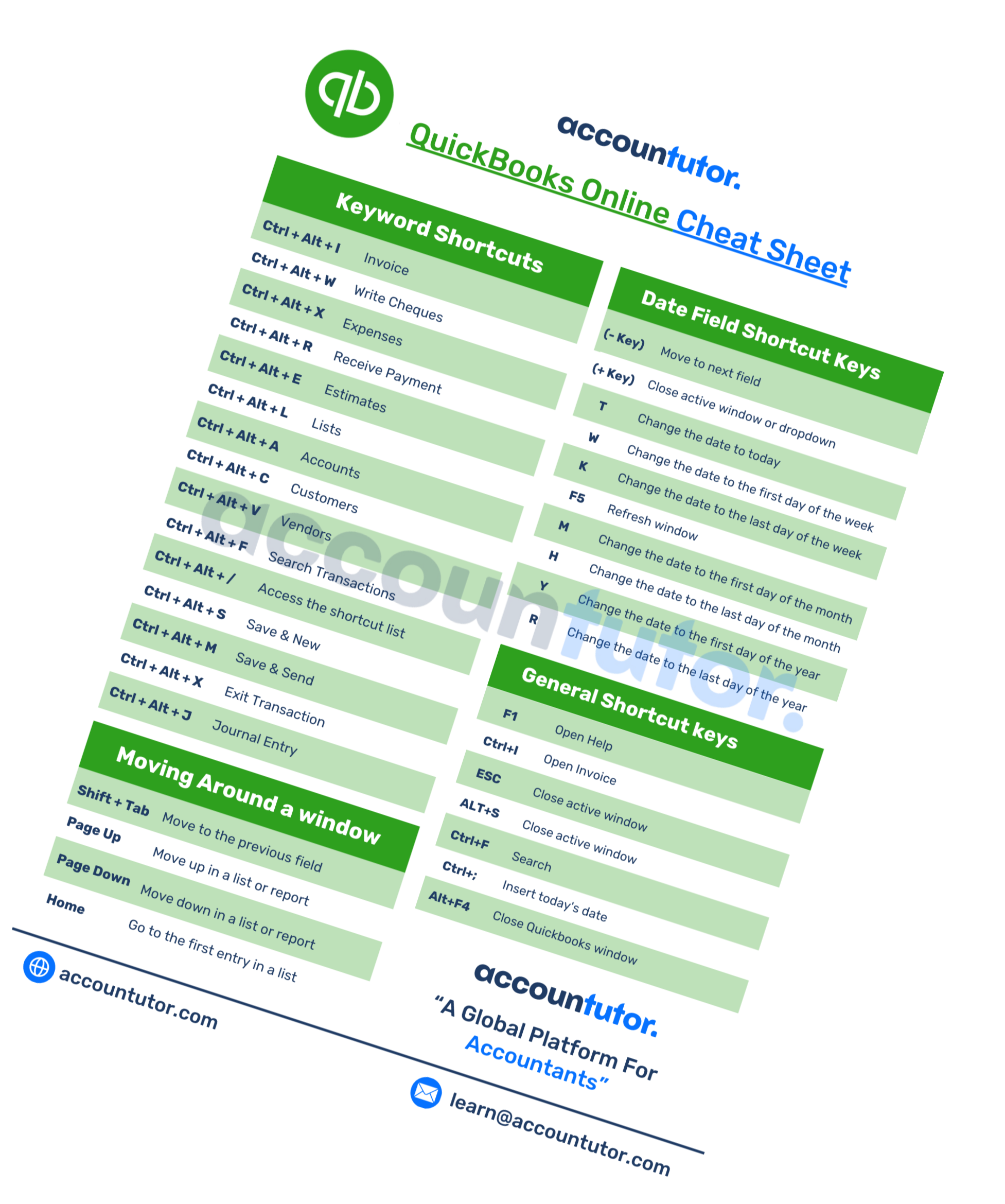
Download QuickBooks Online Cheat Sheet
Thank you!
Download ABCD of Accounting
Thank you!
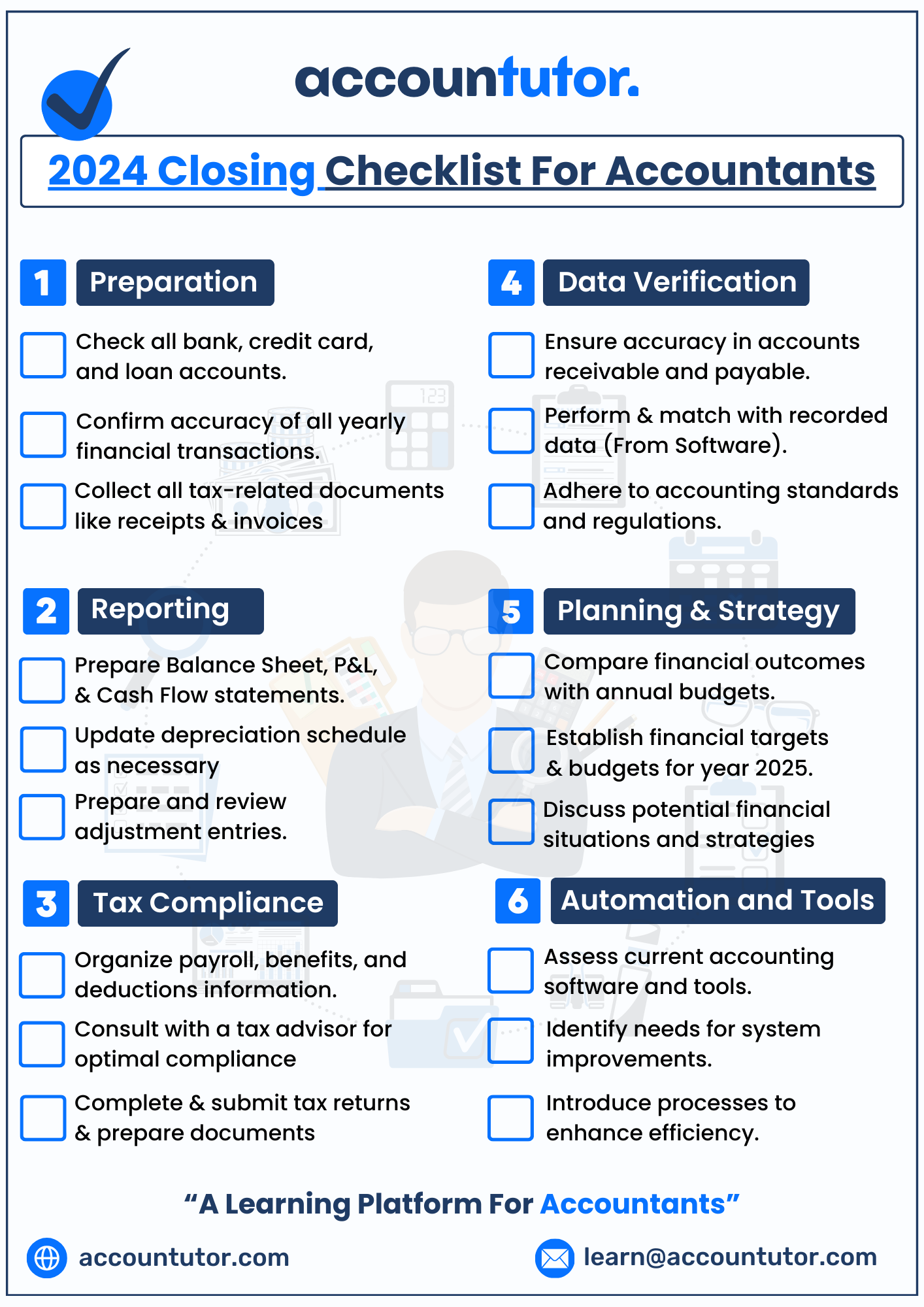
Download Checklist 2024
Thank you!
Register For Free!
Thank you!
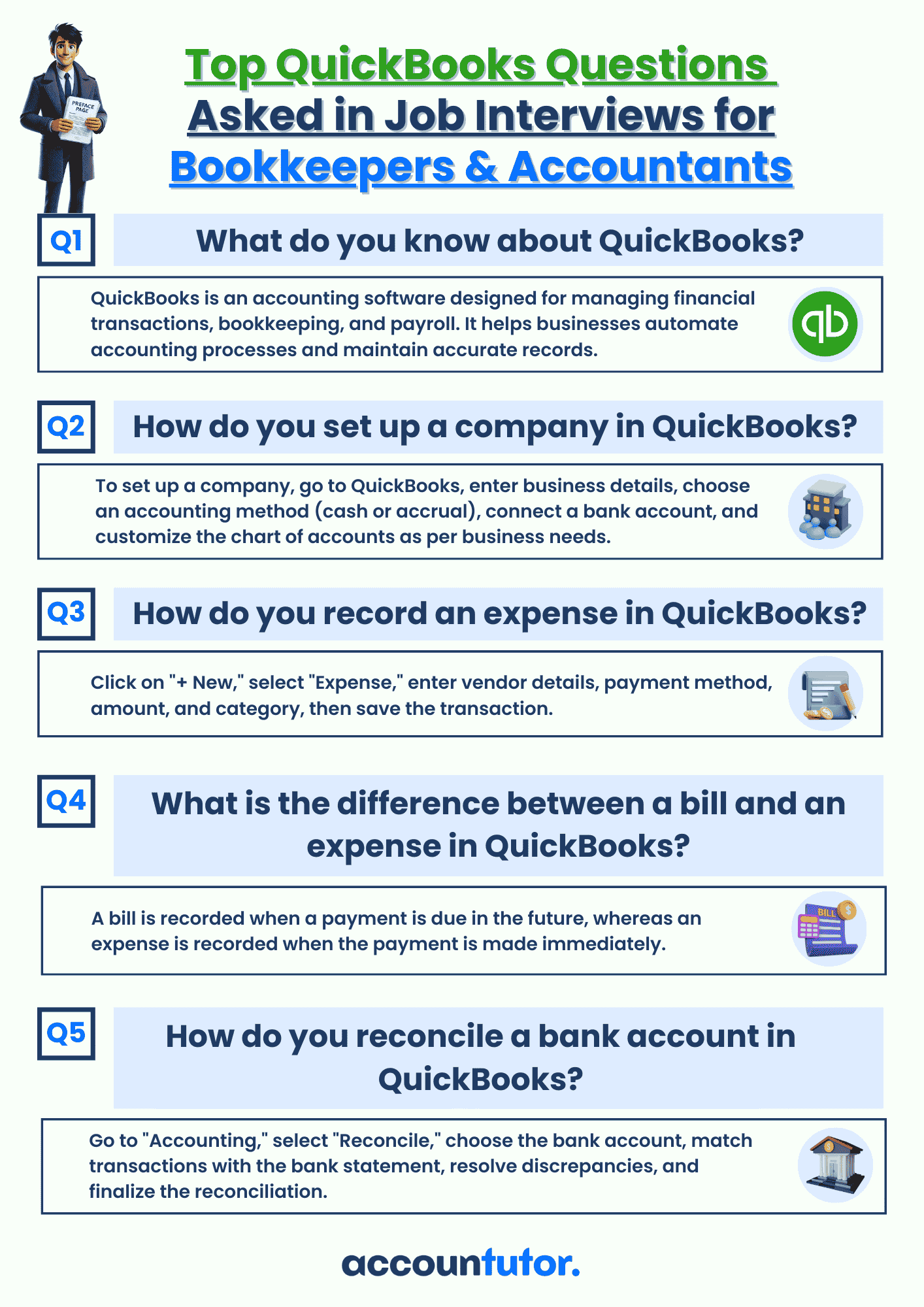
Download Interview Questions
Thank you!
Register for this webinar: How to Master QuickBooks Online— Without Feeling Overwhelmed
7th JUNE 2025 | 8:00 AM PST | 11:00 AM EST
Thank you! The joining link will be sent to your email shortly!
Webinar joining link will be sent to your email address.
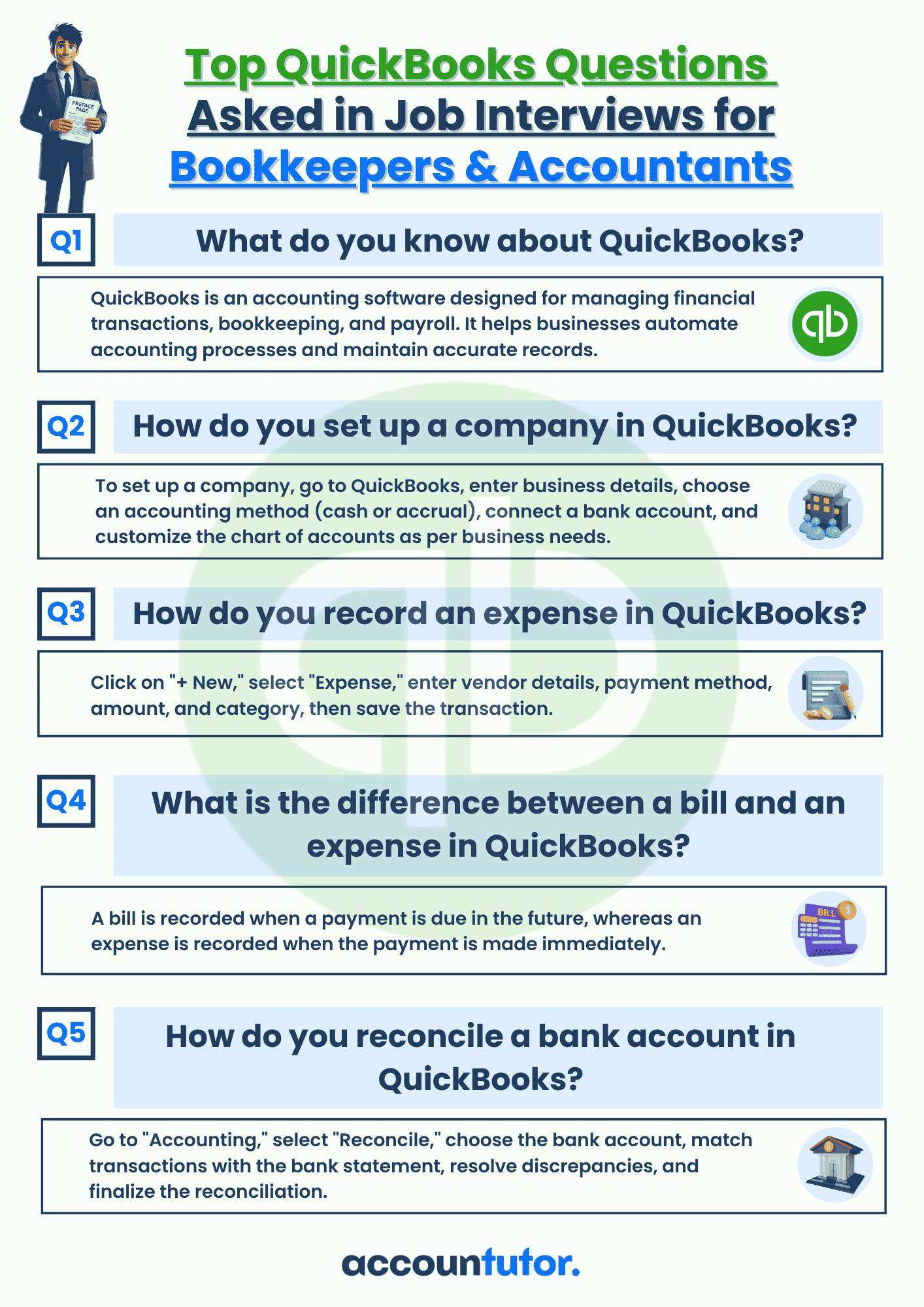
Download QBO Job Interview Questions and Answers PDF
Thank you!
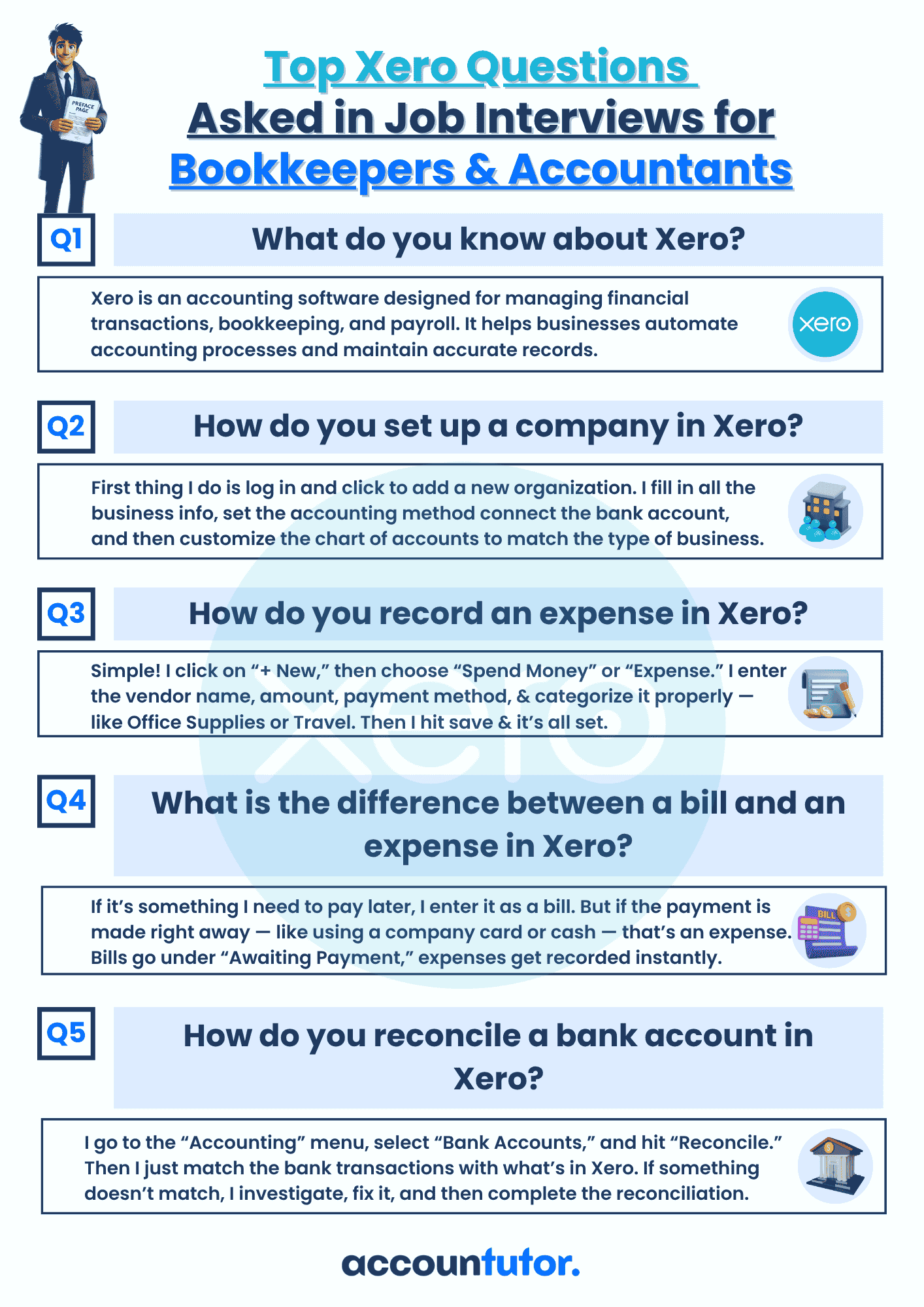
Download Interview Questions
Thank you!

Download 50 Interview Questions For Bookkeepers
Thank you!
Download QuickBooks Online Guidebook
Thank you!
Created with