What is Non Current Liabilities?
Jan 21
Introduction
Non-current liabilities are long-term financial obligations that a company must settle after more than one year. These liabilities often arise from loans, bonds, lease agreements, or deferred tax obligations and are recorded on the balance sheet under long-term liabilities. Non-current liabilities are critical for funding large-scale investments, such as property acquisition, equipment purchases, or business expansions, and reflect a company's long-term financial commitments.
How it works?
A manufacturing company secures a 10-year loan of $5 million to build a new production facility. The loan is classified as a non-current liability on the balance sheet, with annual repayments of $500,000. In the first year, the company records $500,000 as a current liability (amount due within the year) and the remaining $4.5 million as a non-current liability. This arrangement allows the company to fund its expansion while managing cash flow through long-term repayment terms.
Why it is important?
Non-current liabilities play a vital role in a company’s financial structure and operational strategy. Their significance includes:
1. Funding Long-Term Growth: Non-current liabilities provide the necessary capital for businesses to finance large-scale projects and investments without requiring immediate repayment.
Example: A tech company uses a 15-year bond issuance to fund the construction of a research and development facility.
2. Cash Flow Management: By spreading repayments over several years, non-current liabilities enable businesses to manage short-term liquidity more effectively.
Example: A real estate developer takes out a long-term mortgage to acquire land, ensuring sufficient cash reserves for ongoing projects.
3. Leverage and Expansion:
Leveraging non-current liabilities allows companies to expand operations or enter new markets without depleting equity.
Example: A transportation company uses a long-term lease agreement to acquire additional trucks, boosting its delivery capacity.
4. Financial Health Assessment: Non-current liabilities are a key component of financial ratios, such as the debt-to-equity ratio, used to evaluate a company's solvency and risk profile.
Example: Investors analyze a company’s long-term debt to assess its ability to meet obligations and sustain growth.
Types of Non-Current Liabilities:
1. Long-Term Loans:
Loans with repayment periods exceeding one year, often used for large investments or capital expenditures.
Example: A retail chain secures a $10 million loan to open new stores, with repayments spread over 10 years.
2. Bonds Payable:
Debt instruments issued by companies to raise funds from investors, typically with fixed interest payments and maturity dates.
Example: A manufacturing firm issues $20 million in bonds to upgrade machinery, with a 7% annual interest rate and a 15-year term.
3. Lease Liabilities:
Obligations arising from long-term lease agreements for assets like equipment or property.
Example: A logistics company records lease liabilities for warehouse space rented under a 10-year agreement.
4. Deferred Tax Liabilities: Taxes owed in the future due to temporary differences between accounting and tax reporting.
Example: A company records deferred tax liabilities resulting from depreciation methods that differ between tax and financial reporting.
Conclusion:
Non-current liabilities are crucial for supporting a company’s long-term strategic goals and financial stability. They provide essential funding for growth, enable cash flow management, and enhance a business’s ability to invest in large-scale projects. By carefully managing non-current liabilities, companies can optimize their capital structure, maintain investor confidence, and sustain profitability over the long term. Whether in the form of long-term loans, bonds, or deferred taxes, non-current liabilities are integral to a company’s financial planning and operational success.
Accounting and Bookkeeping courses for you
Subscribe to our newsletter
Stay informed with the latest accounting tips, tools, and updates from Accountutor right in your email inbox.
Thank you!
Policy Pages
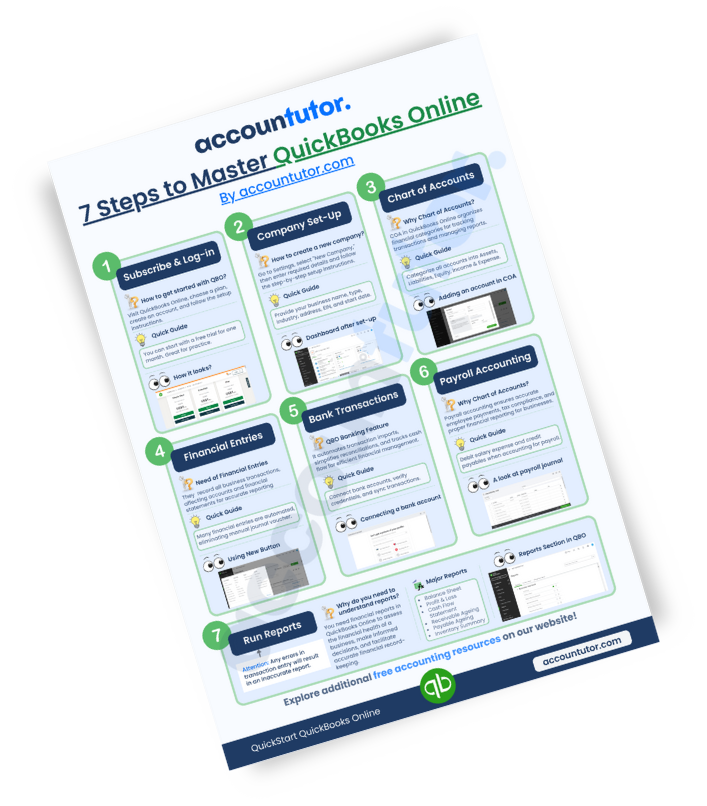
Download QuickBooks Online PDF Guide
Thank you!
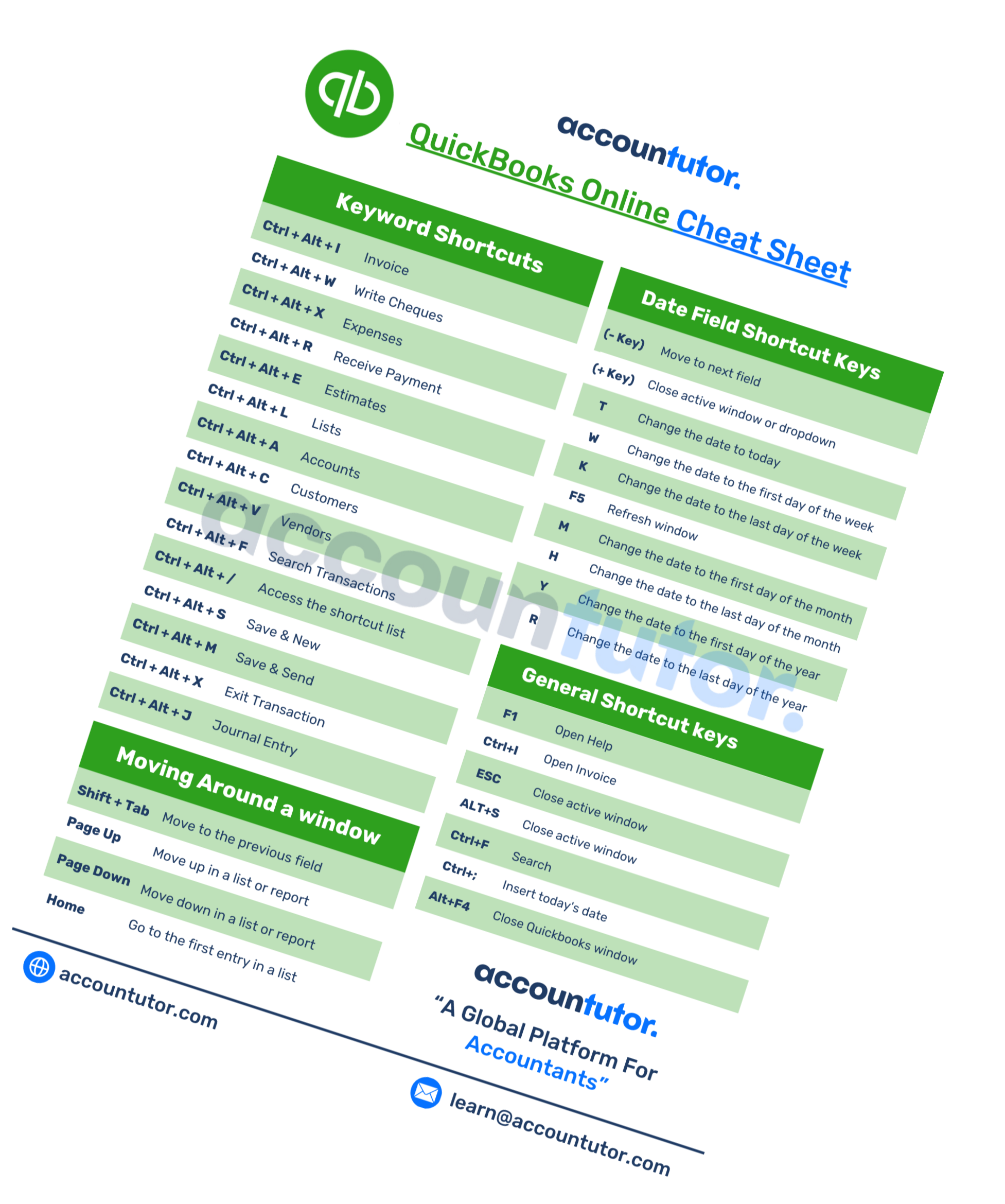
Download QuickBooks Online Cheat Sheet
Thank you!
Download ABCD of Accounting
Thank you!
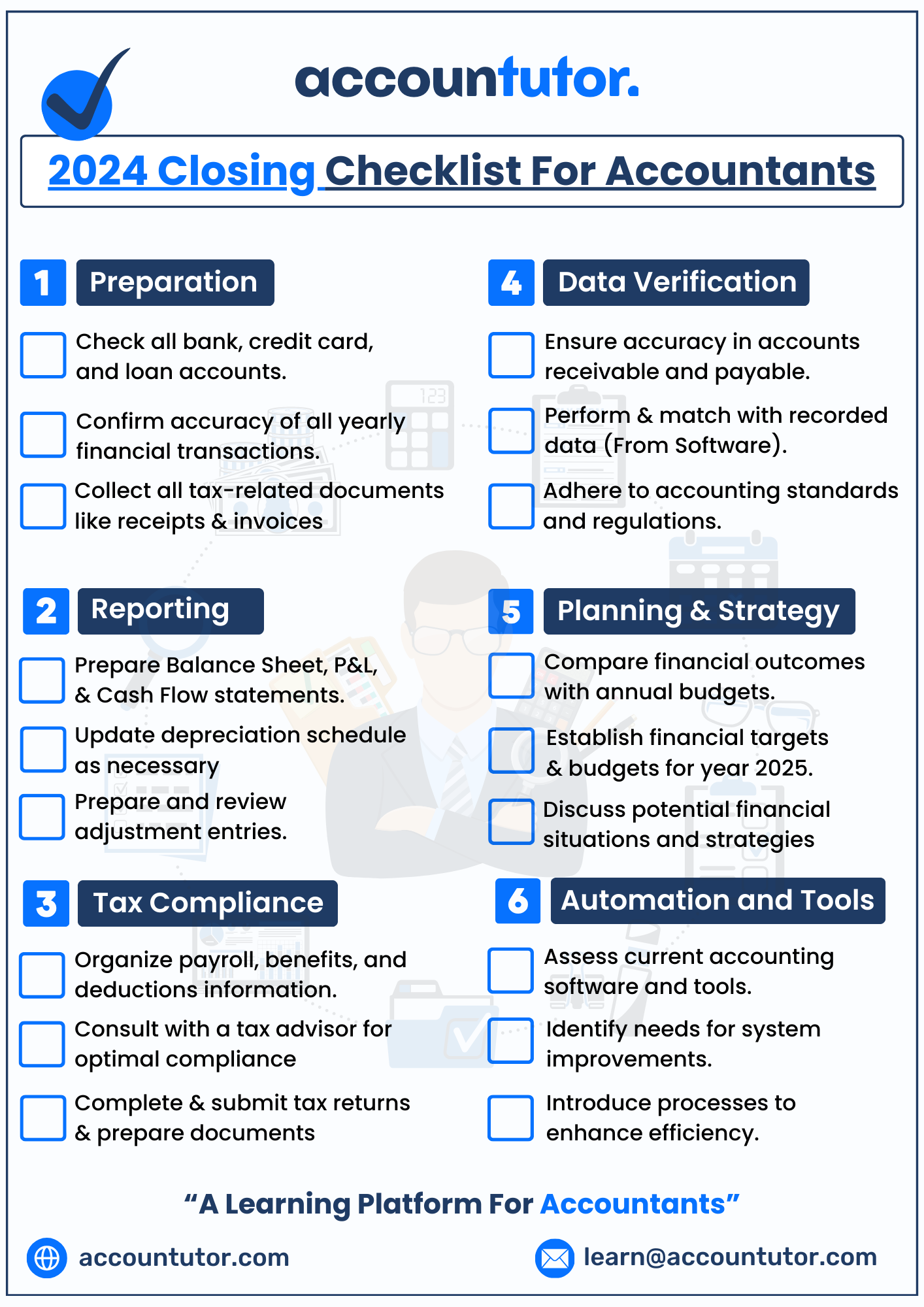
Download Checklist 2024
Thank you!
Register For Free!
Thank you!
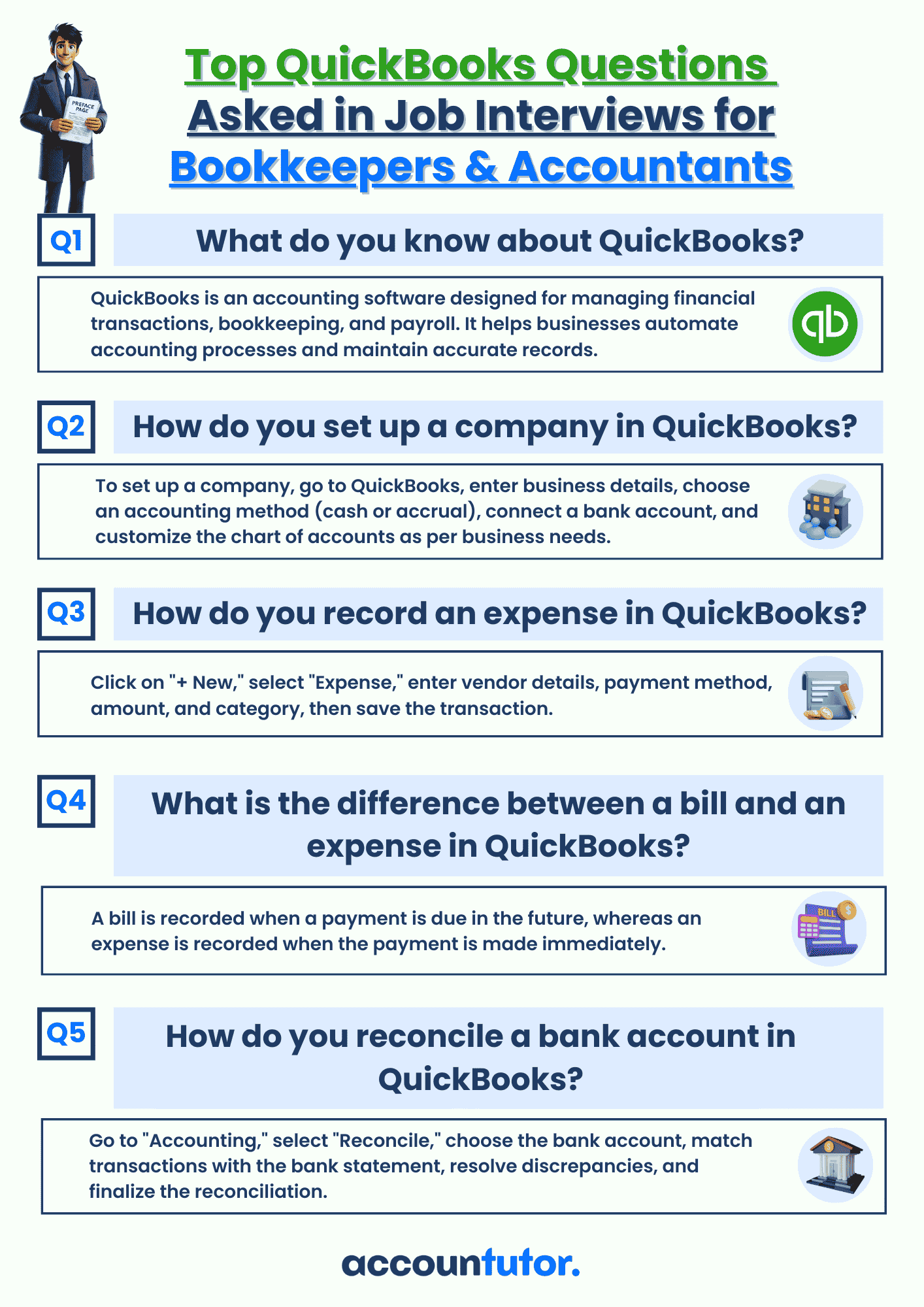
Download Interview Questions
Thank you!
Register for this webinar: How to Master QuickBooks Online— Without Feeling Overwhelmed
7th JUNE 2025 | 8:00 AM PST | 11:00 AM EST
Thank you! The joining link will be sent to your email shortly!
Webinar joining link will be sent to your email address.
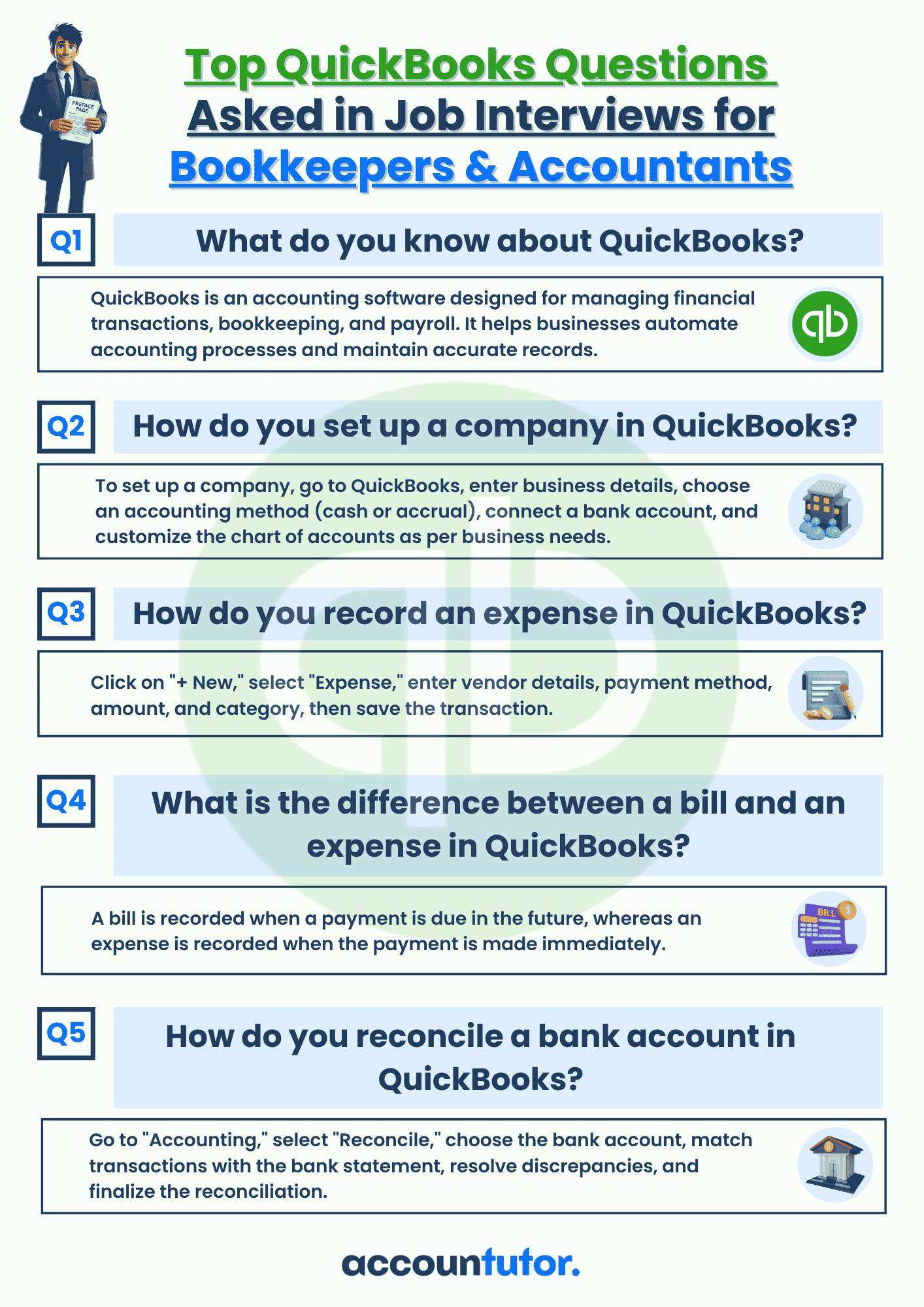
Download QBO Job Interview Questions and Answers PDF
Thank you!
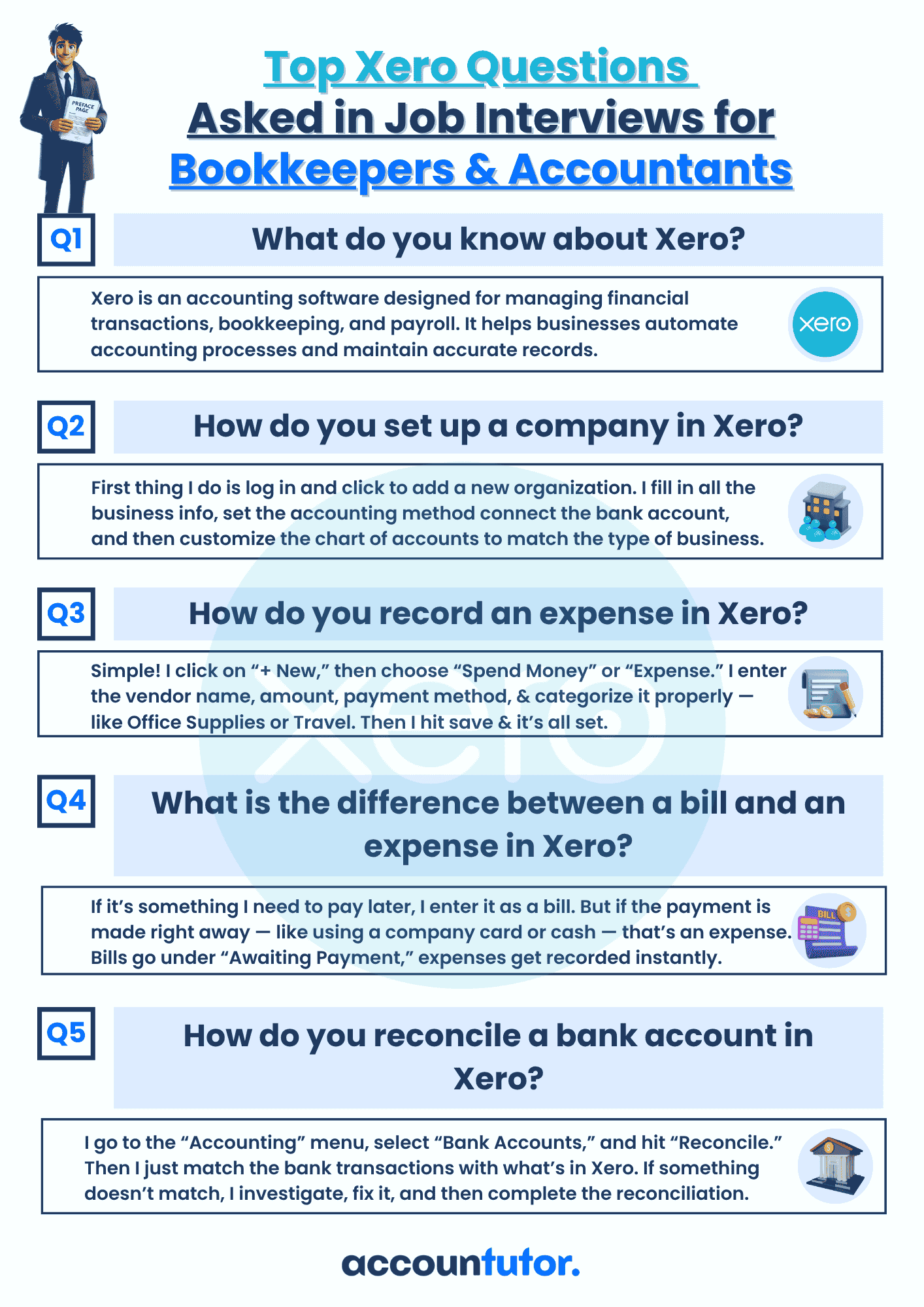
Download Interview Questions
Thank you!

Download 50 Interview Questions For Bookkeepers
Thank you!
Download QuickBooks Online Guidebook
Thank you!
Created with