What is Liquidity?
Jan 21

Introduction
Liquidity refers to a company's ability to meet its short-term obligations and convert assets into cash quickly without significantly affecting their market value. It is a critical measure of financial health, as it indicates whether a business can cover its immediate liabilities with its current assets. Liquidity is essential for day-to-day operations and avoiding financial distress. Common measures of liquidity include the current ratio, quick ratio, and cash ratio.
How it works?
A retail store has $50,000 in cash, $20,000 in accounts receivable, and $30,000 in inventory. Its short-term liabilities include $40,000 in accounts payable.
The store's liquidity position can be analyzed using the current ratio formula:
The store's liquidity position can be analyzed using the current ratio formula:
Current Ratio = Current Assets ÷ Current Liabilities = ($50,000 + $20,000 + $30,000) ÷ $40,000 = 2.5.
This ratio indicates that the store has 2.5 times the assets needed to cover its short-term liabilities, showcasing strong liquidity. If the store needs to pay suppliers immediately, it can use its cash reserves without financial strain.
Why it is important?
Liquidity is a key aspect of a business’s financial health and operational efficiency. Its importance can be understood in the following ways:
1. Short-Term Solvency: Liquidity ensures that businesses can meet immediate financial obligations, such as paying suppliers, employees, and creditors.
Example: A restaurant maintains liquidity by holding sufficient cash reserves to pay rent and salaries during slower months.
2. Operational Stability: High liquidity provides flexibility to manage unexpected expenses or operational disruptions, reducing the risk of financial distress.
Example: A logistics company uses its liquid assets to repair vehicles after an unforeseen breakdown, maintaining uninterrupted services.
3. Investor Confidence: Investors and stakeholders assess liquidity to gauge a company’s financial stability and ability to sustain operations during challenging periods.
Example: A manufacturing firm with a strong liquidity position attracts investors by demonstrating its ability to handle short-term obligations.
4. Creditworthiness: Lenders evaluate liquidity when determining a business's ability to repay loans, influencing borrowing terms and interest rates.
Example: A retailer secures favorable loan terms due to its high liquidity, evidenced by a quick ratio above industry benchmarks.
Types of Liquidity:
1. Market Liquidity: Refers to the ease with which an asset can be bought or sold in the market without significantly affecting its price.
Example: Stocks of a large, publicly traded company have high market liquidity, as they can be sold quickly at prevailing market prices.
2. Accounting Liquidity: Measures a company’s ability to meet its financial obligations using current assets. Metrics like the current ratio and quick ratio are used to assess accounting liquidity.
Example: A software company calculates its quick ratio to ensure it has sufficient liquid assets (cash and receivables) to cover liabilities.
3. Asset Liquidity: Refers to how easily individual assets can be converted into cash. Cash is the most liquid asset, while inventory or property may take longer to sell.
Example: A business relies on its cash reserves to manage immediate expenses, considering inventory and equipment as less liquid assets.
4. Corporate Liquidity: Describes a company’s overall ability to generate cash from operations and manage short-term obligations effectively.
Example: A tech startup monitors its corporate liquidity by comparing its cash flow to upcoming loan repayments and operational costs.
Conclusion:
Liquidity is a vital indicator of a company’s financial strength, ensuring its ability to manage day-to-day operations and meet short-term obligations. Whether assessed through accounting ratios, market liquidity, or asset liquidity, maintaining adequate liquidity helps businesses avoid financial distress and build confidence among investors and creditors. Effective liquidity management enables companies to respond swiftly to challenges, seize opportunities, and sustain long-term growth in competitive markets.
Accounting and Bookkeeping courses for you
Subscribe to our newsletter
Stay informed with the latest accounting tips, tools, and updates from Accountutor right in your email inbox.
Thank you!
Policy Pages

Download QuickBooks Online PDF Guide
Thank you!
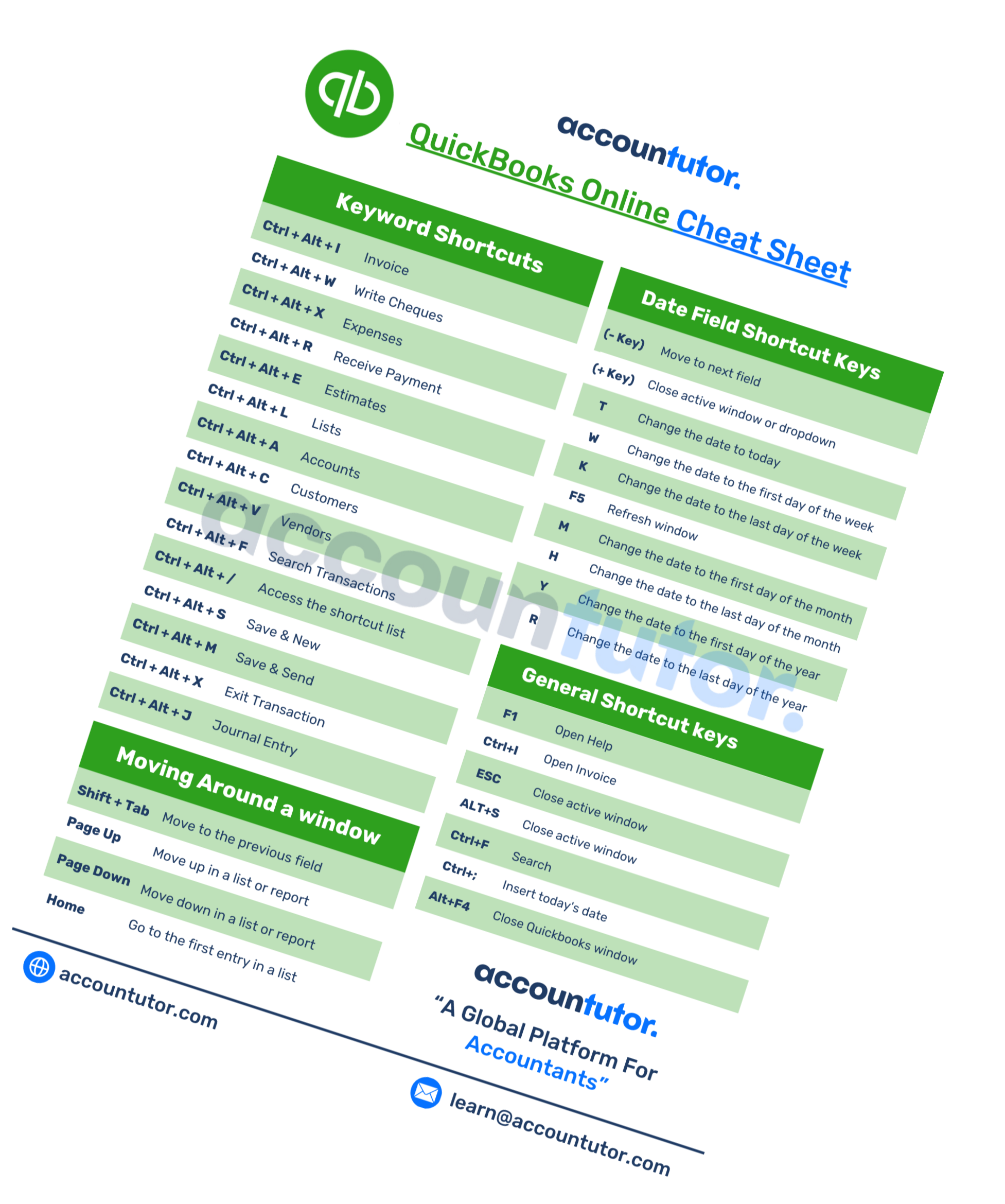
Download QuickBooks Online Cheat Sheet
Thank you!

Download ABCD of Accounting
Thank you!
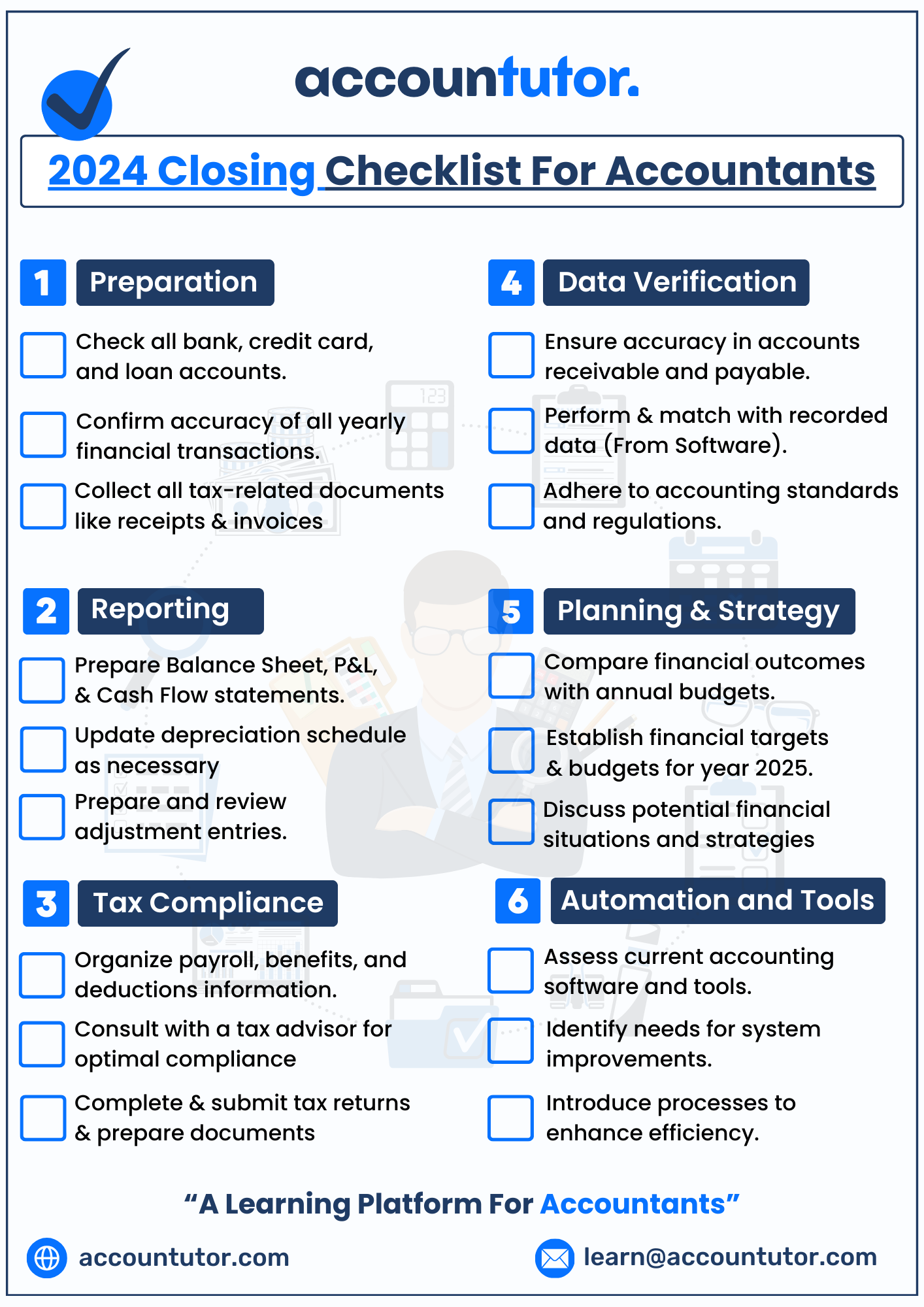
Download Checklist 2024
Thank you!
Register For Free!
Thank you!
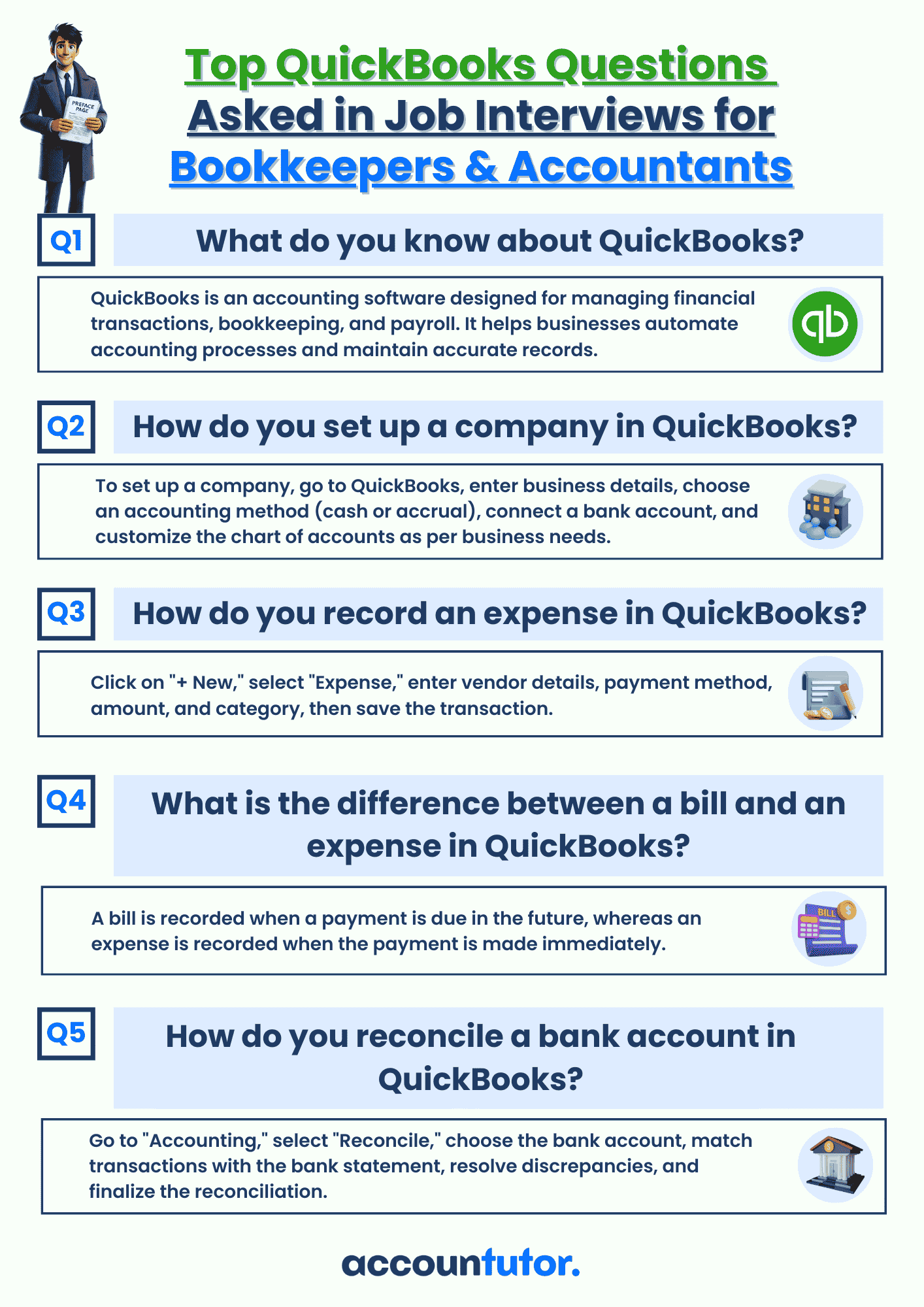
Download Interview Questions
Thank you!
Register for this webinar: How to Master QuickBooks Online— Without Feeling Overwhelmed
7th JUNE 2025 | 8:00 AM PST | 11:00 AM EST
Thank you! The joining link will be sent to your email shortly!
Webinar joining link will be sent to your email address.
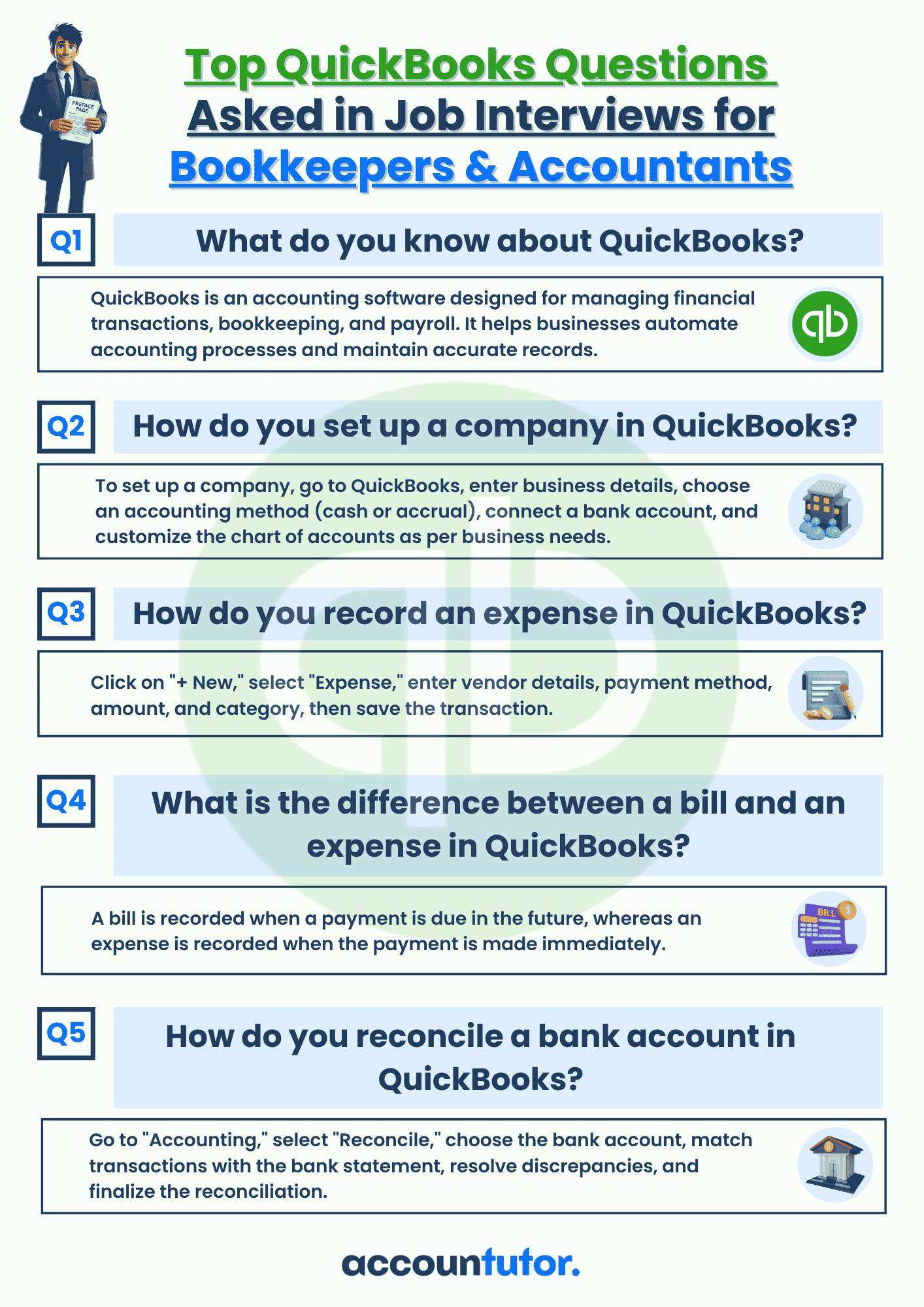
Download QBO Job Interview Questions and Answers PDF
Thank you!
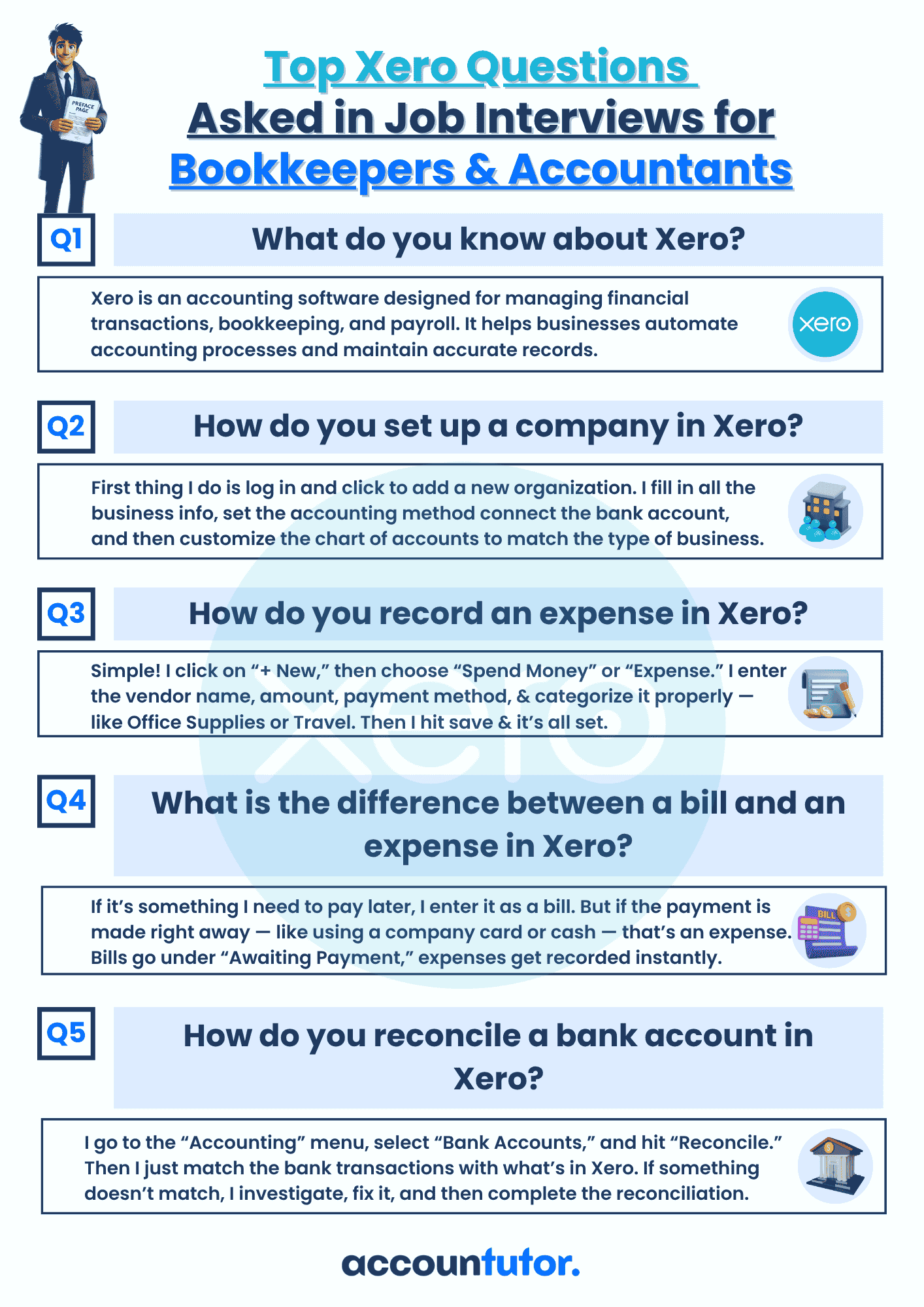
Download Interview Questions
Thank you!

Download 50 Interview Questions For Bookkeepers
Thank you!

Download QuickBooks Online Guidebook
Thank you!
Created with