What is Inventory Valuation?
Jan 21
Introduction
Inventory valuation is the accounting process of assigning a monetary value to a company’s inventory, which includes raw materials, work-in-progress (WIP), and finished goods. Accurate inventory valuation is critical for determining the cost of goods sold (COGS), profitability, and the overall financial health of a business. Different methods, such as FIFO (First In, First Out), LIFO (Last In, First Out), and Weighted Average Cost, are used to value inventory based on cost flow assumptions.
How it works?
A clothing retailer starts the month with an inventory of 100 shirts purchased at $10 each. During the month, the retailer buys another 200 shirts at $12 each. At the end of the month, 250 shirts are sold. Using the FIFO method, the retailer calculates the cost of goods sold as follows: the first 100 shirts are valued at $10 each ($1,000), and the next 150 shirts are valued at $12 each ($1,800). The total COGS is $2,800, and the remaining 50 shirts in inventory are valued at $12 each ($600). This accurate valuation helps the retailer determine profitability for the month and manage financial records.
Why it is important?
Inventory valuation is crucial for businesses as it directly impacts financial reporting, cost management, and strategic planning. Here’s why it matters:
1. Accurate Financial Reporting: Proper inventory valuation ensures that financial statements reflect true profitability by accurately determining the cost of goods sold and ending inventory value.
Example: A manufacturing company values its inventory at $500,000, enabling accurate reporting of COGS and net income.
2. Tax Compliance and Planning: Inventory valuation methods affect taxable income, as COGS reduces gross profit, influencing tax liabilities.
Example: A retailer using LIFO during inflation reports higher COGS and lower taxable income, reducing its tax burden.
3. Performance Evaluation: Inventory valuation provides insights into inventory turnover, helping businesses identify inefficiencies in production or sales.
Example: A supermarket tracks inventory valuation to assess whether perishable goods are being sold efficiently.
4. Strategic Pricing and Cost Management: Understanding inventory valuation helps businesses set competitive prices while maintaining profitability.
Example: A furniture company adjusts pricing strategies after analyzing inventory costs and market demand.
Types of Inventory Valuation Methods:
1. FIFO (First In, First Out): Assumes the oldest inventory is sold first. This method is beneficial for businesses where inventory items are perishable or time-sensitive.
Example: A bakery uses FIFO to sell bread made earlier to avoid spoilage, ensuring fresh stock for customers.
2. LIFO (Last In, First Out): Assumes the most recently purchased inventory is sold first. This method is often used during inflationary periods to reduce taxable income by increasing COGS.
Example: A hardware store using LIFO sells newly purchased nails first, reporting higher COGS during periods of rising steel prices.
3. Weighted Average Cost: Calculates the average cost of inventory items by dividing the total cost of goods available for sale by the total number of units.
Example: A clothing retailer purchases 100 jackets at $20 each and 200 jackets at $25 each. The weighted average cost is $23.33 per jacket, used for COGS and ending inventory valuation.
4. Specific Identification: Tracks the exact cost of individual inventory items, ideal for unique or high-value products.
Example: A jewelry store uses specific identification to value diamond rings, assigning costs to each piece based on its purchase price.
Conclusion:
Inventory valuation is a vital accounting process that impacts financial reporting, tax planning, and operational decision-making. By using appropriate valuation methods, businesses can ensure accurate cost allocation, optimize pricing strategies, and maintain compliance with accounting standards. Whether adopting FIFO, LIFO, weighted average, or specific identification, inventory valuation is key to understanding the financial health of a business and driving long-term profitability.
Accounting and Bookkeeping courses for you
Subscribe to our newsletter
Stay informed with the latest accounting tips, tools, and updates from Accountutor right in your email inbox.
Thank you!
Policy Pages
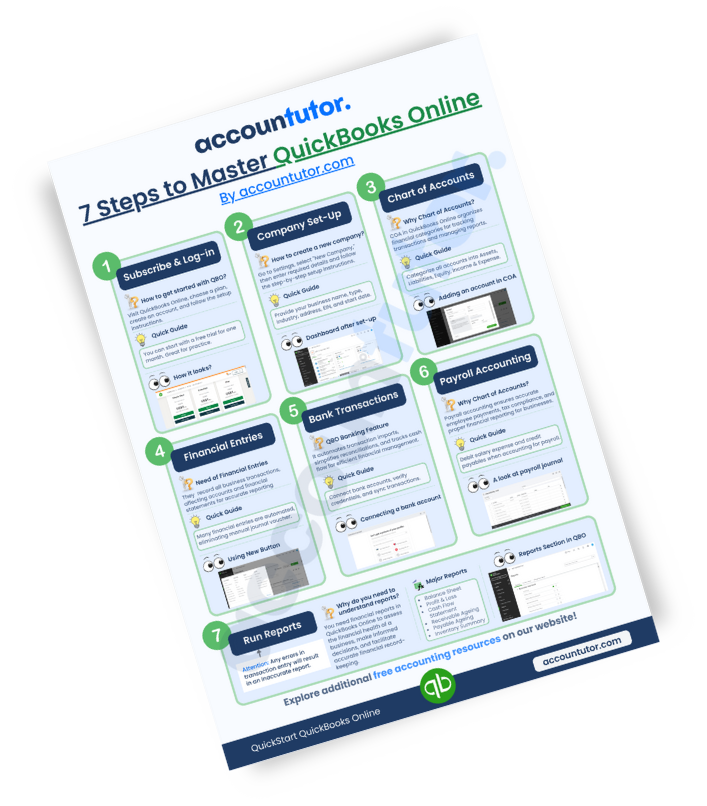
Download QuickBooks Online PDF Guide
Thank you!
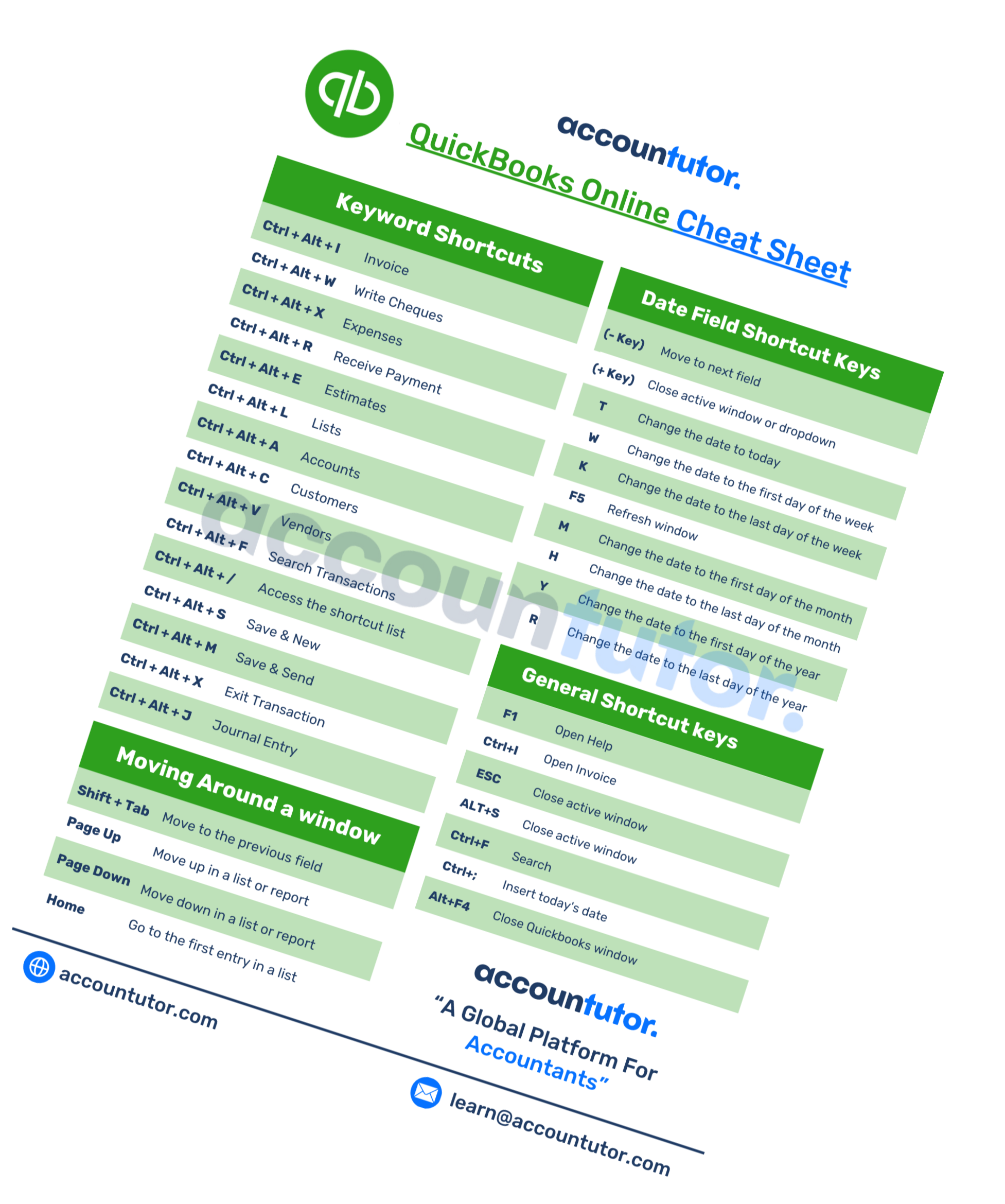
Download QuickBooks Online Cheat Sheet
Thank you!
Download ABCD of Accounting
Thank you!
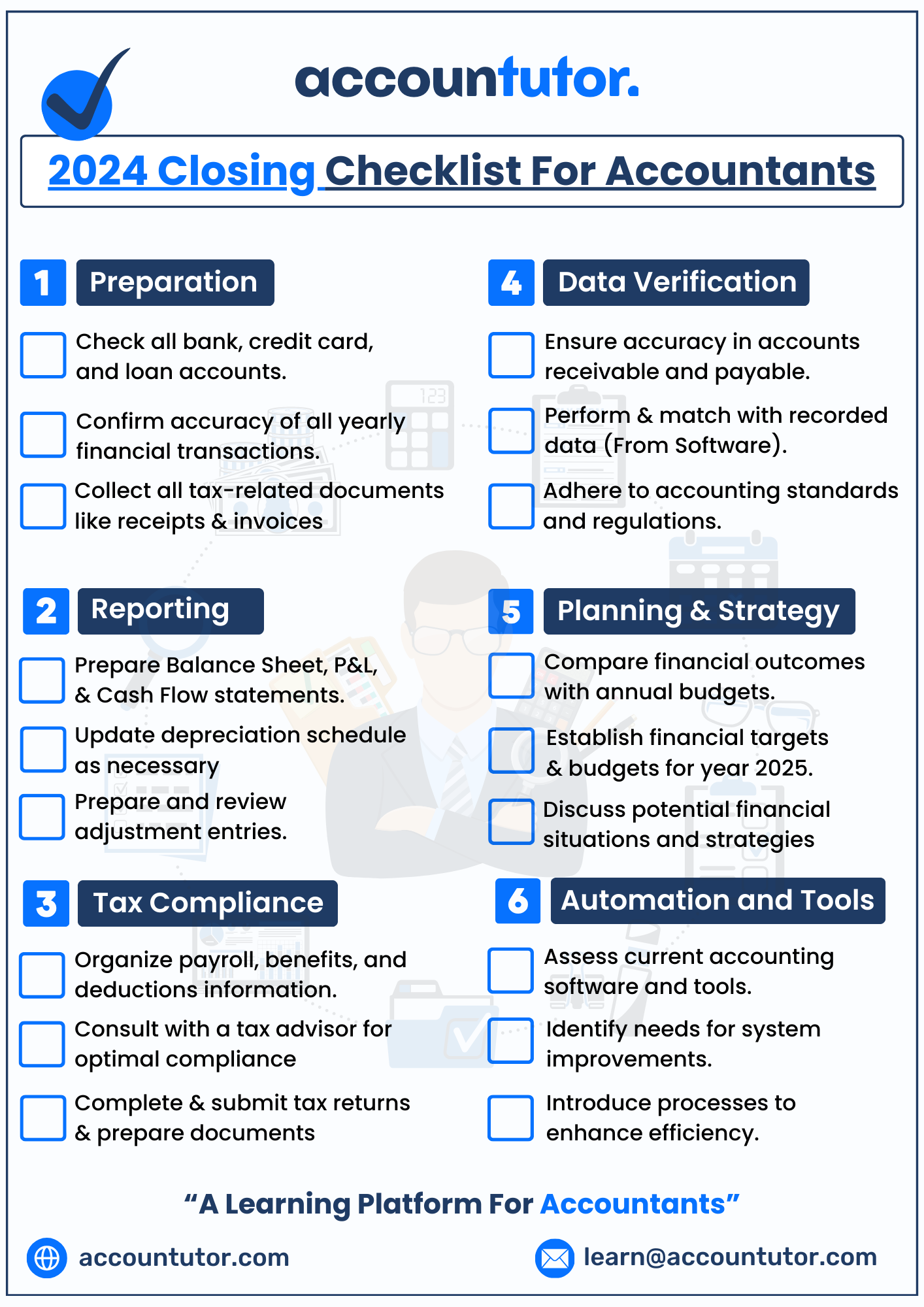
Download Checklist 2024
Thank you!
Register For Free!
Thank you!
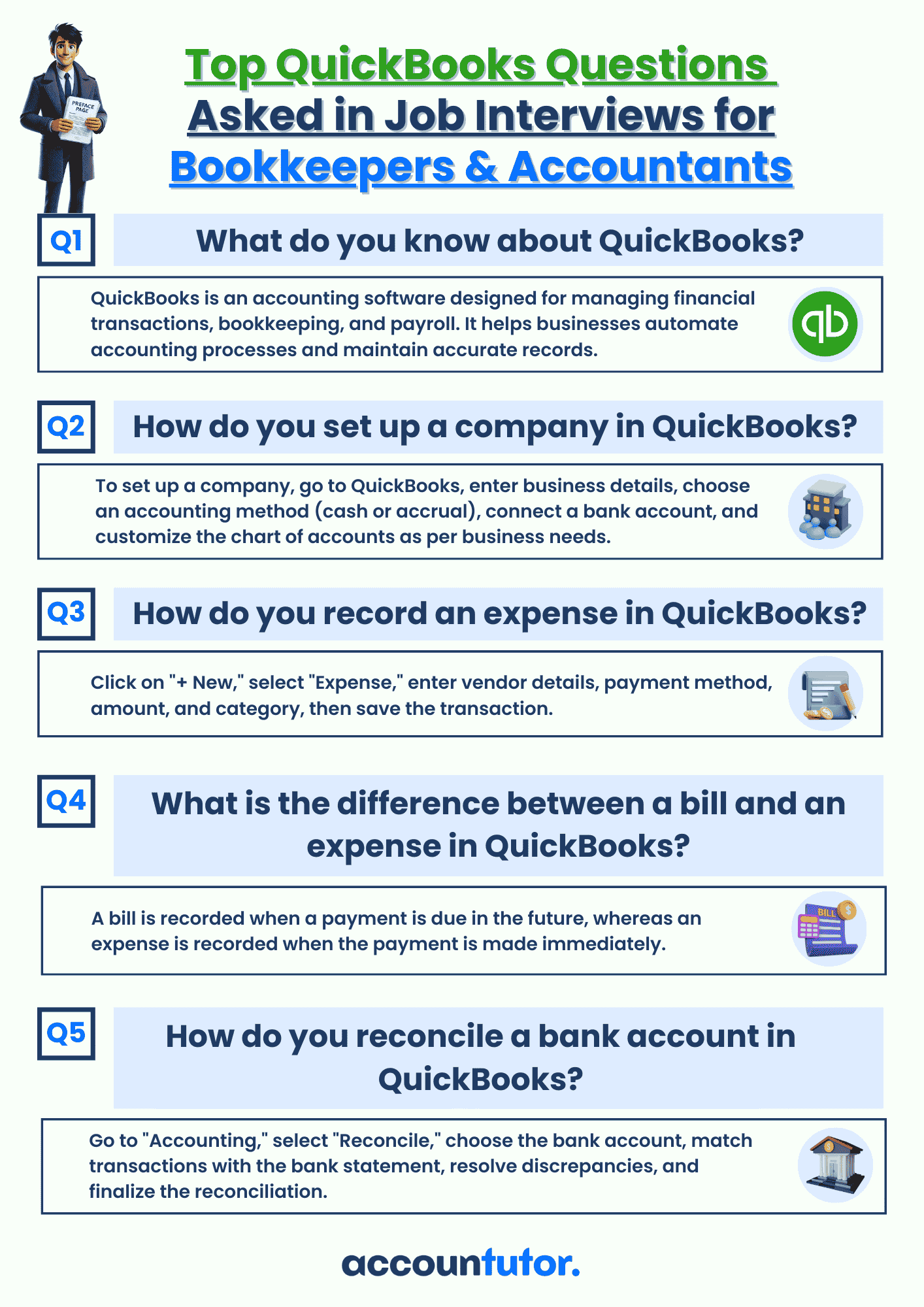
Download Interview Questions
Thank you!
Register for this webinar: How to Master QuickBooks Online— Without Feeling Overwhelmed
7th JUNE 2025 | 8:00 AM PST | 11:00 AM EST
Thank you! The joining link will be sent to your email shortly!
Webinar joining link will be sent to your email address.
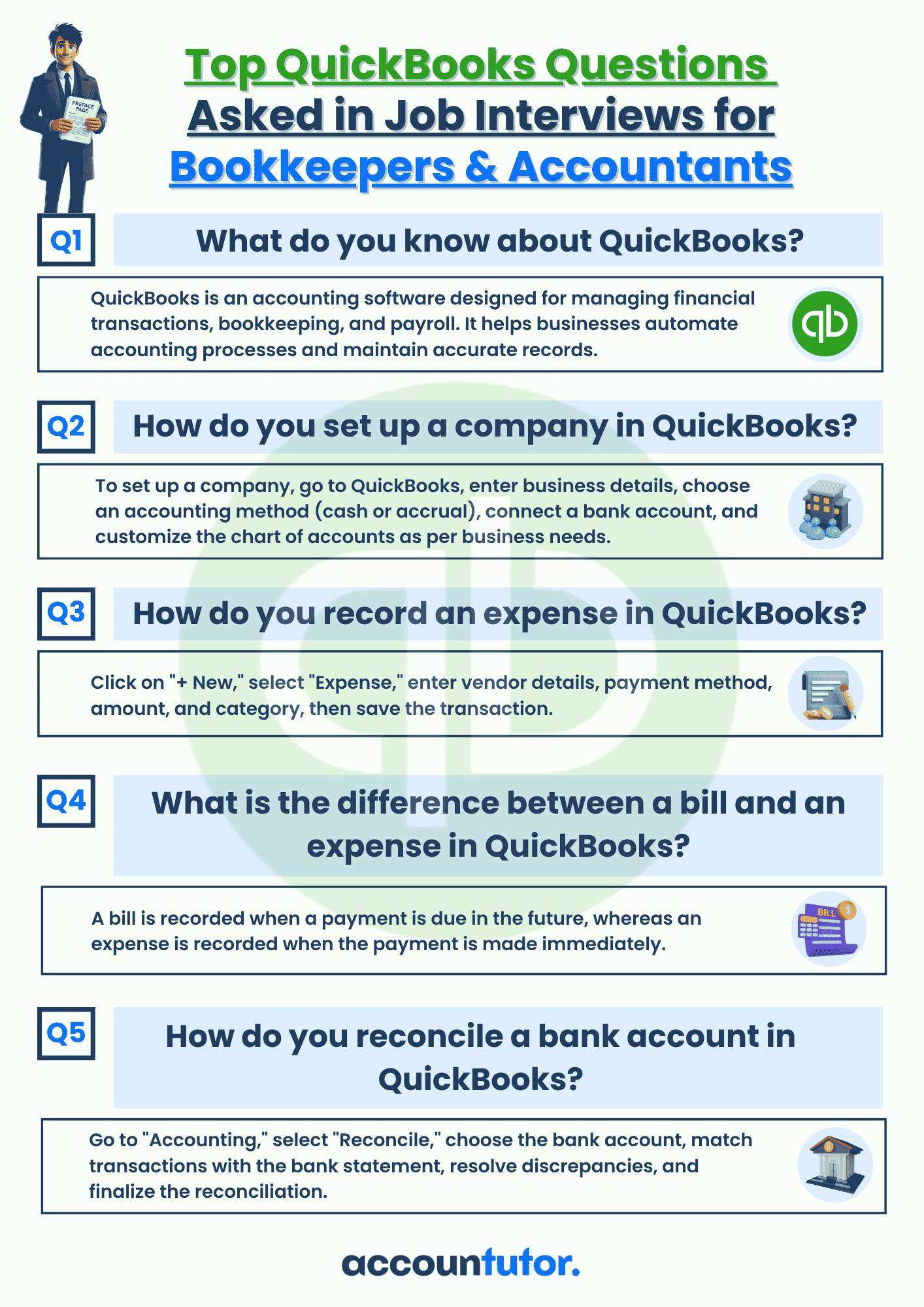
Download QBO Job Interview Questions and Answers PDF
Thank you!
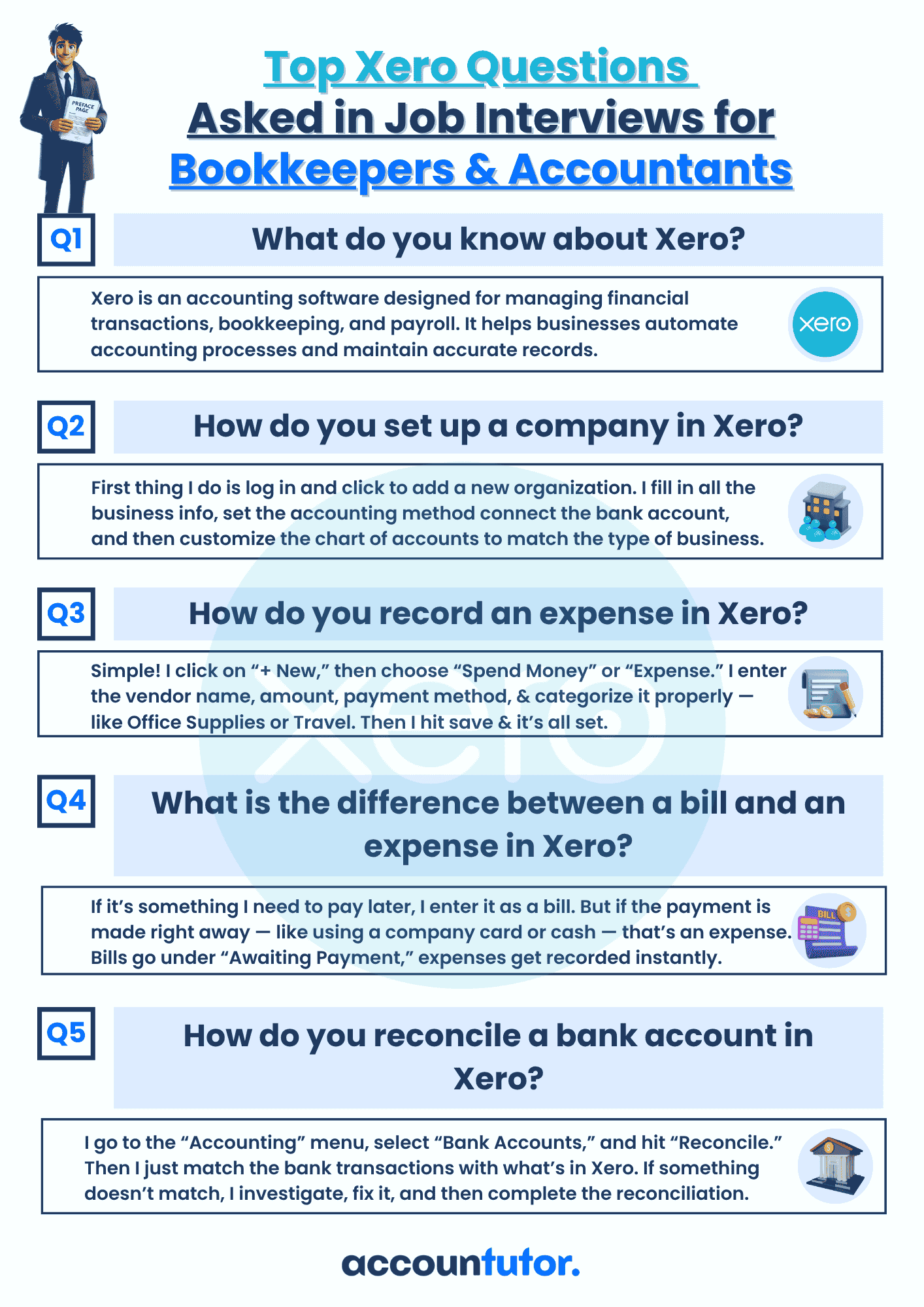
Download Interview Questions
Thank you!

Download 50 Interview Questions For Bookkeepers
Thank you!
Download QuickBooks Online Guidebook
Thank you!
Created with