What is Historical Cost?
Jan 20
Introduction
Historical cost is the original purchase price of an asset, recorded in a company’s accounting records at the time of acquisition. This cost does not account for subsequent changes in market value or inflation. The historical cost principle ensures consistency and reliability in financial reporting by providing a fixed and verifiable measure of an asset’s value. It is a fundamental concept in accounting, particularly for tangible and long-term assets such as land, buildings, and equipment.
How it works?
A manufacturing company purchases a piece of land for $200,000 in 2010 to build a factory. The land is recorded on the balance sheet at its historical cost of $200,000, even though its market value increases to $300,000 by 2025. This adherence to the historical cost principle ensures consistency in the company’s financial records. While the land’s value may have risen, the original purchase price remains unchanged in accounting records unless revaluation is explicitly allowed under certain accounting standards.
Why it is important?
1. Reliable Financial Reporting: Historical cost ensures that financial statements reflect a consistent and verifiable value for assets. This reliability stems from the fact that historical cost is based on actual transactions, making it objective and free from speculation or market fluctuations.
Example: A business records a factory purchased for $500,000 at its original price, ensuring transparency and accuracy in its financial reporting.
2. Simplified Accounting Processes: By valuing assets at their historical cost, companies eliminate the need for regular revaluation due to market price changes. This simplification reduces complexity in accounting and supports straightforward record-keeping.
Example: A retailer maintains the value of its stores at their original purchase price, avoiding the administrative burden of frequent market-based adjustments.
3. Basis for Depreciation: Historical cost serves as the foundation for calculating depreciation. It allows businesses to allocate an asset’s cost systematically over its useful life, ensuring that expenses are matched with revenue.
Example: Machinery purchased for $100,000 is depreciated at $10,000 annually over 10 years, reflecting a consistent expense allocation.
4. Facilitates Comparability: Financial statements using historical cost allow for easier comparison between companies or across periods, as the values are based on objective purchase prices rather than fluctuating market valuations.
Example: Investors compare the historical cost of equipment across two manufacturing companies to evaluate operational efficiency.
Types of Historical Cost Applications:
1.Tangible Fixed Assets: Fixed assets such as buildings, machinery, and equipment are recorded at their original purchase price, reflecting the initial investment cost. These assets are not revalued over time, maintaining stable values in financial records.
Example: A transportation company records buses purchased for $1 million at their historical cost, ensuring consistency in its balance sheet.
2. Inventory: Inventory items are recorded at their acquisition cost until they are sold, at which point the cost is included in the cost of goods sold (COGS). This method ensures accurate profit calculation.
Example: A grocery store values crates of apples bought for $2,000 at their purchase price until sold.
3. Intangible Assets: Intangible assets acquired externally, such as patents and trademarks, are recorded at their purchase cost and may be amortized over time.
Example: A pharmaceutical company acquires a patent for $1.5 million and records it at this price as an intangible asset.
4. Land: Land is recorded at its historical cost and is not subject to depreciation, as its value is generally expected to remain stable or increase over time.
Example: A real estate firm records land purchased for $2 million at its original cost, even if its market value doubles over the years.
Conclusion:
The historical cost principle ensures that financial records remain reliable, objective, and consistent over time. It simplifies accounting processes and facilitates comparability, making it a vital tool for businesses and stakeholders. Although it does not reflect market fluctuations, historical cost provides a stable foundation for asset valuation, depreciation, and financial decision-making. By applying historical cost to tangible assets, inventory, and intangible items, businesses can maintain accurate and transparent financial reporting.
Accounting and Bookkeeping courses for you
Subscribe to our newsletter
Stay informed with the latest accounting tips, tools, and updates from Accountutor right in your email inbox.
Thank you!
Policy Pages

Download QuickBooks Online PDF Guide
Thank you!
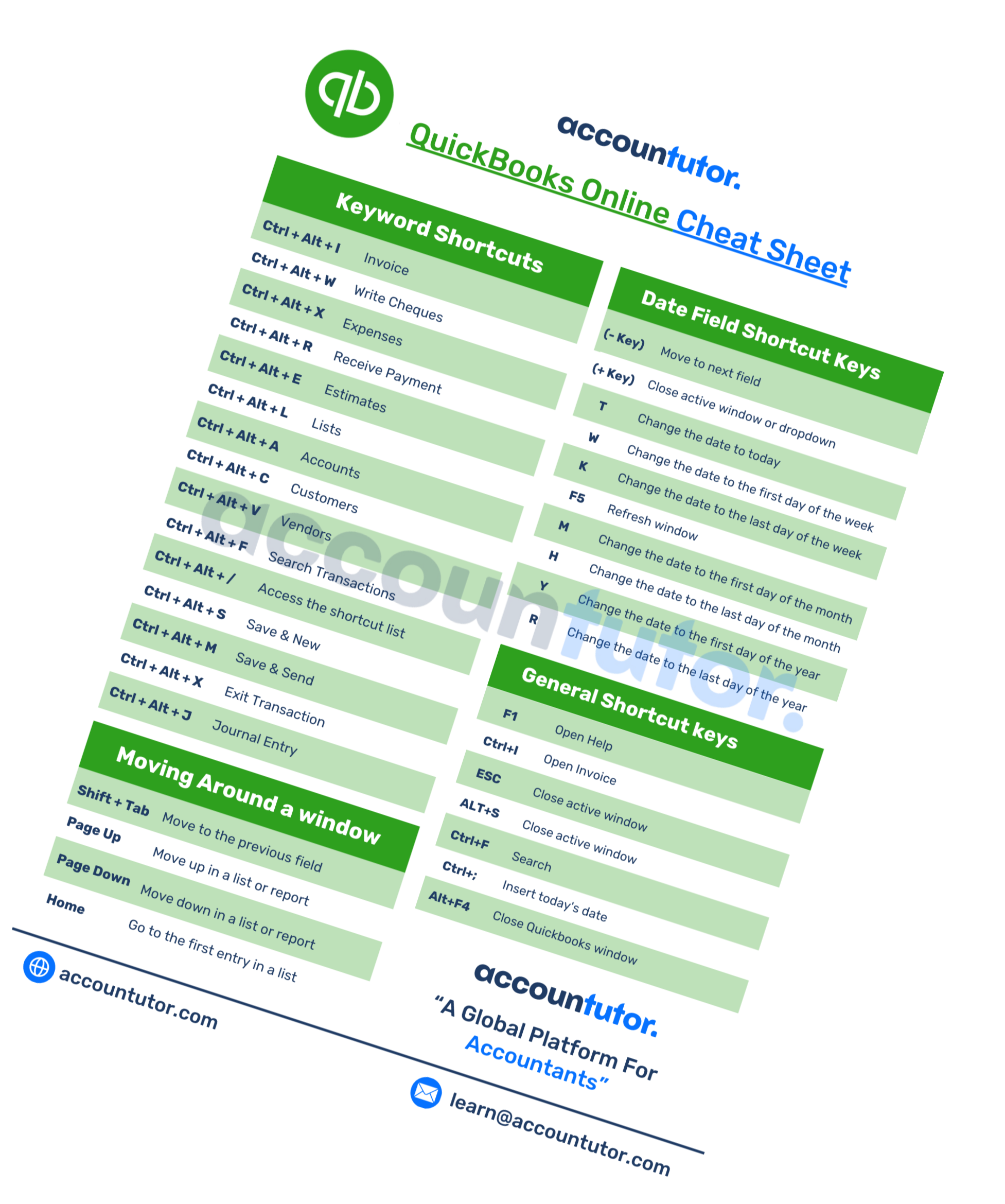
Download QuickBooks Online Cheat Sheet
Thank you!
Download ABCD of Accounting
Thank you!
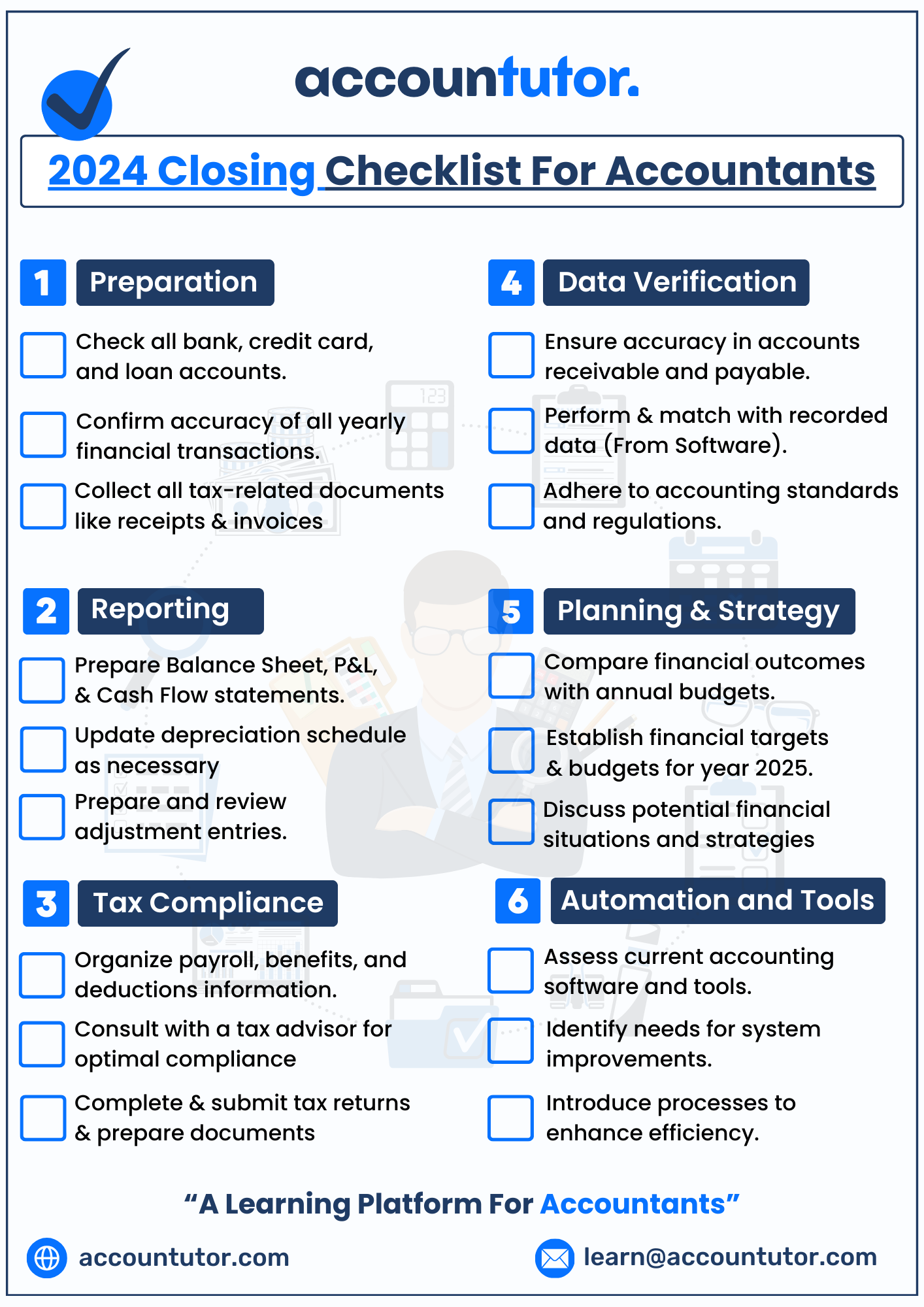
Download Checklist 2024
Thank you!
Register For Free!
Thank you!
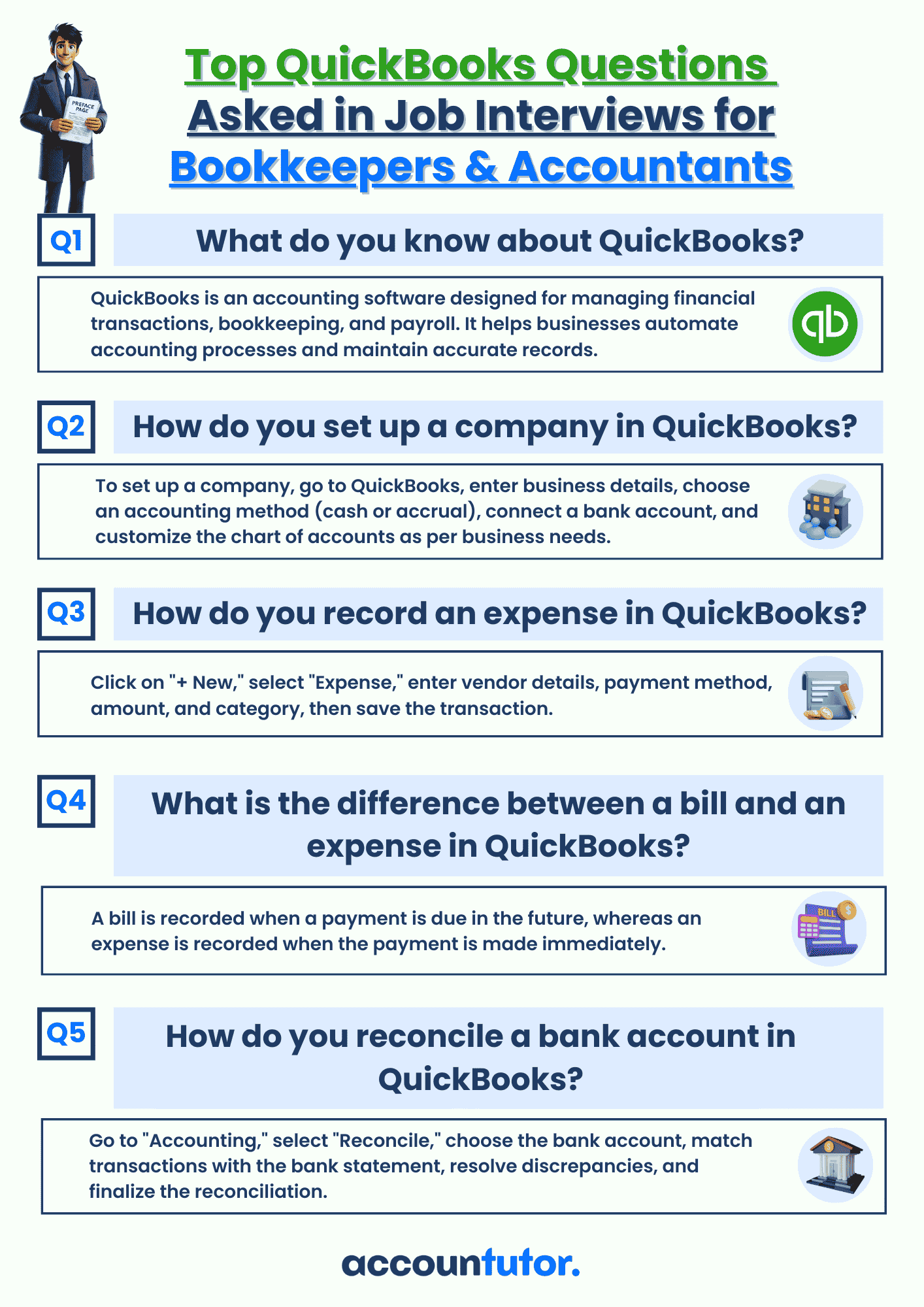
Download Interview Questions
Thank you!
Register for this webinar: How to Master QuickBooks Online— Without Feeling Overwhelmed
7th JUNE 2025 | 8:00 AM PST | 11:00 AM EST
Thank you! The joining link will be sent to your email shortly!
Webinar joining link will be sent to your email address.
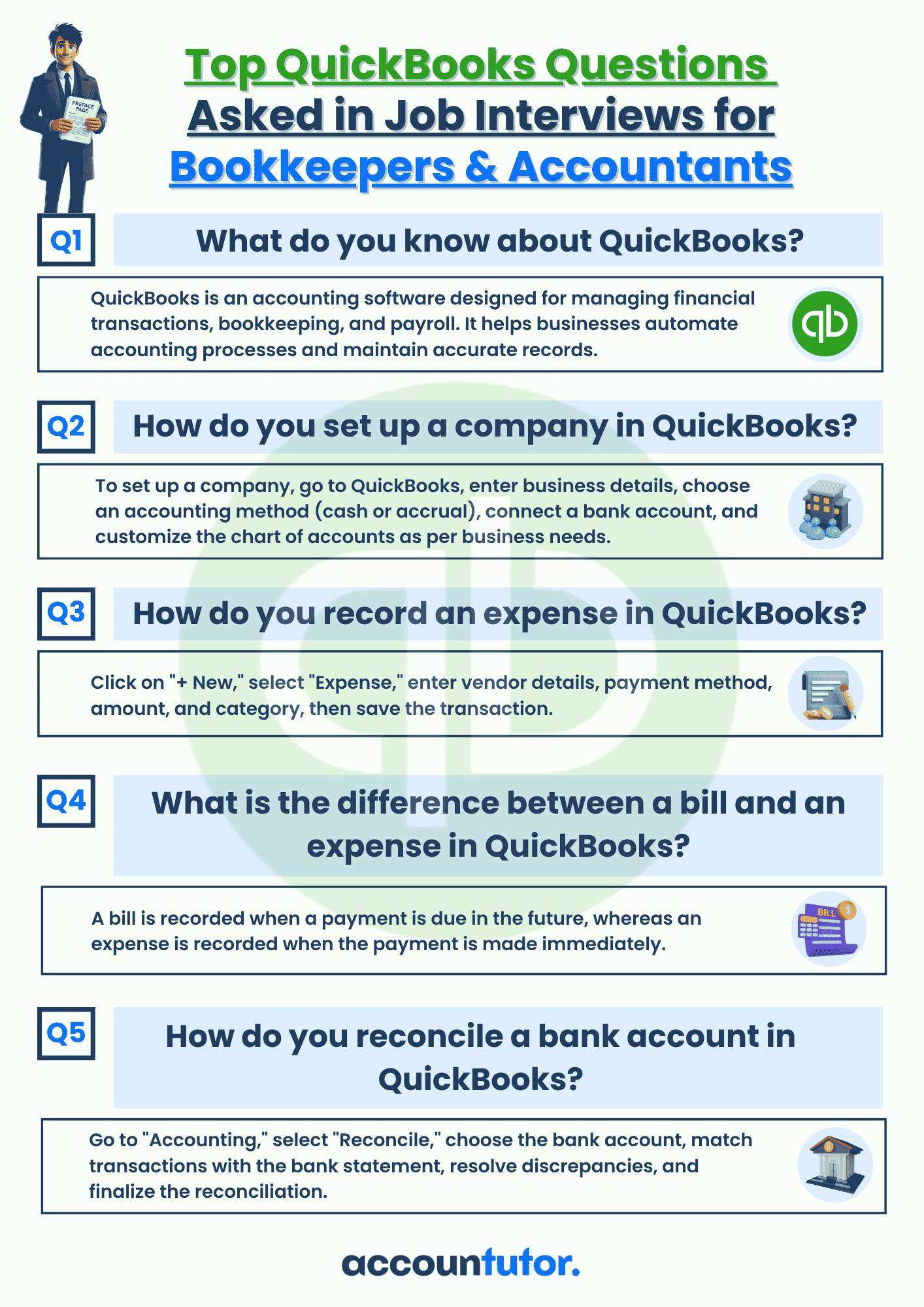
Download QBO Job Interview Questions and Answers PDF
Thank you!
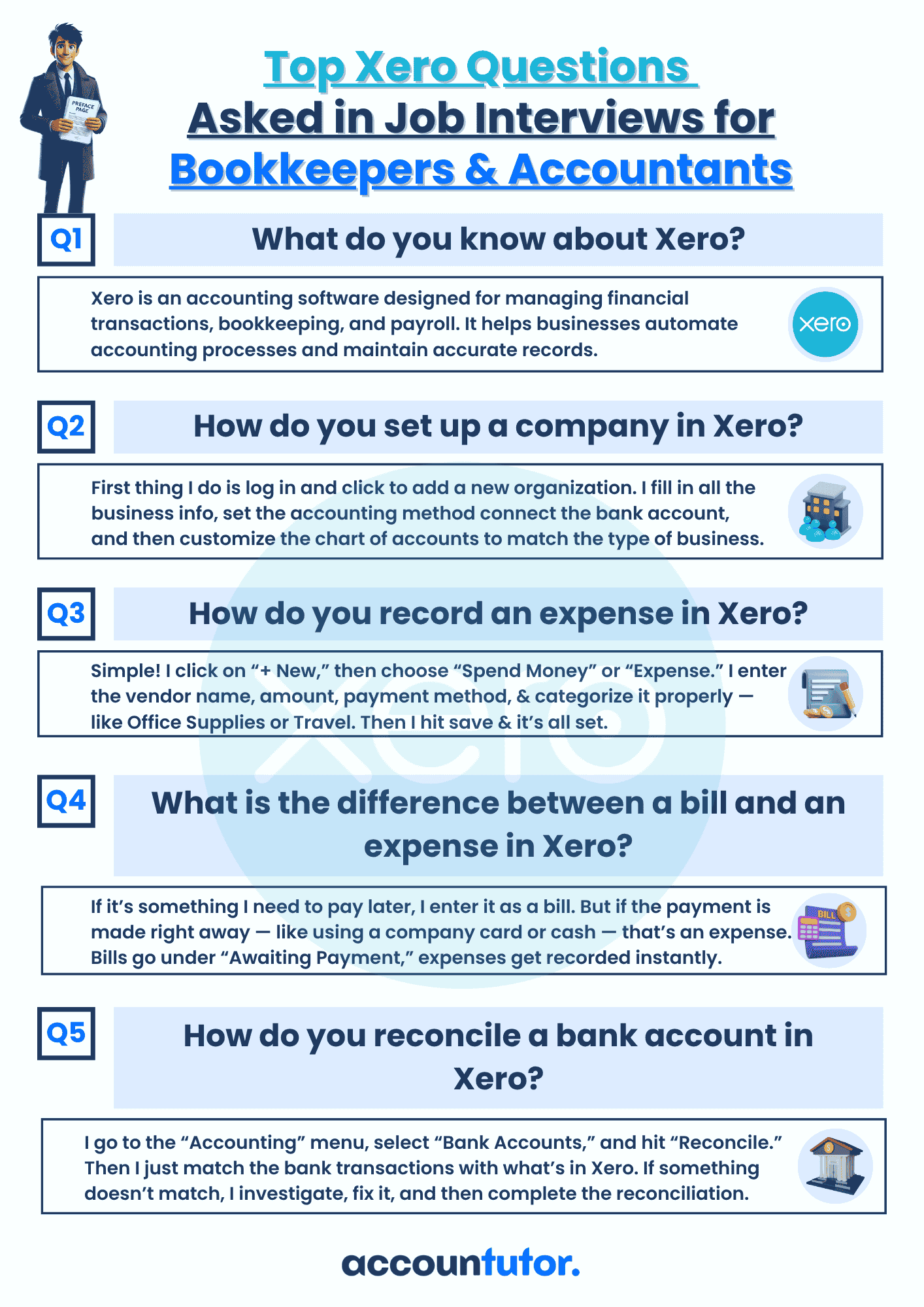
Download Interview Questions
Thank you!

Download 50 Interview Questions For Bookkeepers
Thank you!

Download QuickBooks Online Guidebook
Thank you!
Created with