What is Gross Profit?
Jan 20
Introduction
Gross profit is the financial result of subtracting the Cost of Goods Sold (COGS) from total revenue. It represents the profit a business earns from its core operations before accounting for operating expenses, taxes, and interest. Gross profit serves as a key indicator of a company’s production efficiency and its ability to manage direct costs associated with producing goods or services. The formula for calculating gross profit is:
Gross Profit = Revenue - Cost of Goods Sold (COGS).
How it works?
A bakery generates $50,000 in revenue during a month by selling cakes and pastries. The cost of goods sold, including ingredients like flour, sugar, eggs, and the wages of bakers directly involved in production, amounts to $20,000. Using the formula, the bakery’s gross profit for the month is $30,000 ($50,000 - $20,000). This amount does not include expenses like rent, utilities, or marketing, which are factored in later when calculating net profit. The gross profit allows the bakery to assess its profitability from production alone and identify areas for cost optimization.
Why it is important?
Gross profit is a cornerstone metric for understanding a company’s operational efficiency, cost management, and overall financial health. It holds significance in the following areas:
1. Assessing Production Efficiency: Gross profit highlights how efficiently a business converts resources into revenue, revealing the effectiveness of production and procurement processes.
Example: A manufacturing firm with consistent gross profit indicates well-controlled production costs and effective supplier relationships.
2. Guiding Pricing Strategies: Businesses rely on gross profit to evaluate whether their pricing covers direct costs and contributes to overall profitability. It helps strike a balance between competitive pricing and adequate profit margins.
Example: An electronics retailer revises its pricing structure for tablets after realizing low gross profit due to high production costs.
3. Cost Control and Optimization: By examining gross profit, companies can identify areas where costs can be minimized without compromising product quality.
Example: A bakery finds that switching to a local supplier for flour reduces material costs, improving its gross profit margin.
4. Evaluating Core Business Viability: Gross profit determines if a business’s core operations are financially sustainable. It serves as an early indicator of financial health before factoring in other expenses.
Example: A startup with negative gross profit reevaluates its product offerings to improve profitability and ensure long-term viability.
Types of Gross Profit Analysis:
1. Gross Profit Margin: Gross profit margin measures gross profit as a percentage of revenue, offering a clear view of profitability relative to sales. It provides valuable benchmarks for comparing performance across periods or industries.
Example: A clothing brand with $500,000 in revenue and $300,000 in COGS calculates a gross profit margin of 40% (($500,000 - $300,000) ÷ $500,000). A rising gross profit margin signals improved cost efficiency or pricing strategies.
2. Segmented Gross Profit: For businesses with diverse offerings, segmented gross profit analysis breaks down profitability by product lines, services, or geographical regions. This helps identify the most profitable areas and areas needing improvement.
Example: A food company finds its organic snack line generates higher gross profit than traditional snacks, prompting increased investment in the organic segment.
3. Year-over-Year Gross Profit Trends: Analyzing gross profit trends over time reveals performance improvements, seasonal variations, or emerging challenges.
Example: A tourism company observes higher gross profit during the holiday season compared to off-peak months, guiding its marketing efforts and resource planning.
4. Product-Specific Gross Profit: Businesses track gross profit at the individual product level to determine which items contribute most to overall profitability.
Example: A furniture retailer discovers that dining tables generate higher gross profit compared to office chairs, influencing inventory and sales strategies.
5. Industry Benchmarking: Comparing gross profit with industry standards helps businesses gauge their competitive position and operational efficiency.
Example: A fast-food chain with a gross profit margin of 65% outperforms the industry average of 55%, showcasing effective cost control and pricing.
6.Contribution to Overall Profitability: Gross profit contributes directly to net profit by covering operating and non-operating expenses. Analyzing how gross profit supports overall profitability helps businesses align short-term goals with long-term financial strategies.
Example: A manufacturing firm calculates its gross profit to ensure it can sustain overhead costs and generate adequate net income.
Conclusion:
Gross profit is a vital metric for understanding a company’s core operational performance. It reflects the ability to manage production costs effectively while generating revenue. By analyzing gross profit and its related metrics, businesses can make informed decisions about pricing, cost control, and investment opportunities. Whether used to track efficiency, compare product lines, or gauge financial health, gross profit is indispensable for driving profitability and long-term growth.
Accounting and Bookkeeping courses for you
Subscribe to our newsletter
Stay informed with the latest accounting tips, tools, and updates from Accountutor right in your email inbox.
Thank you!
Policy Pages
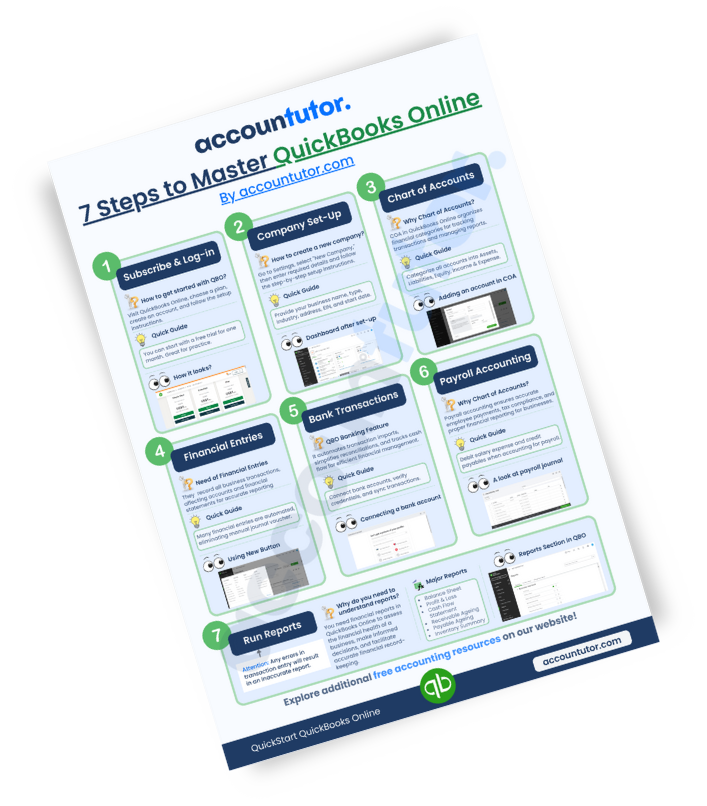
Download QuickBooks Online PDF Guide
Thank you!
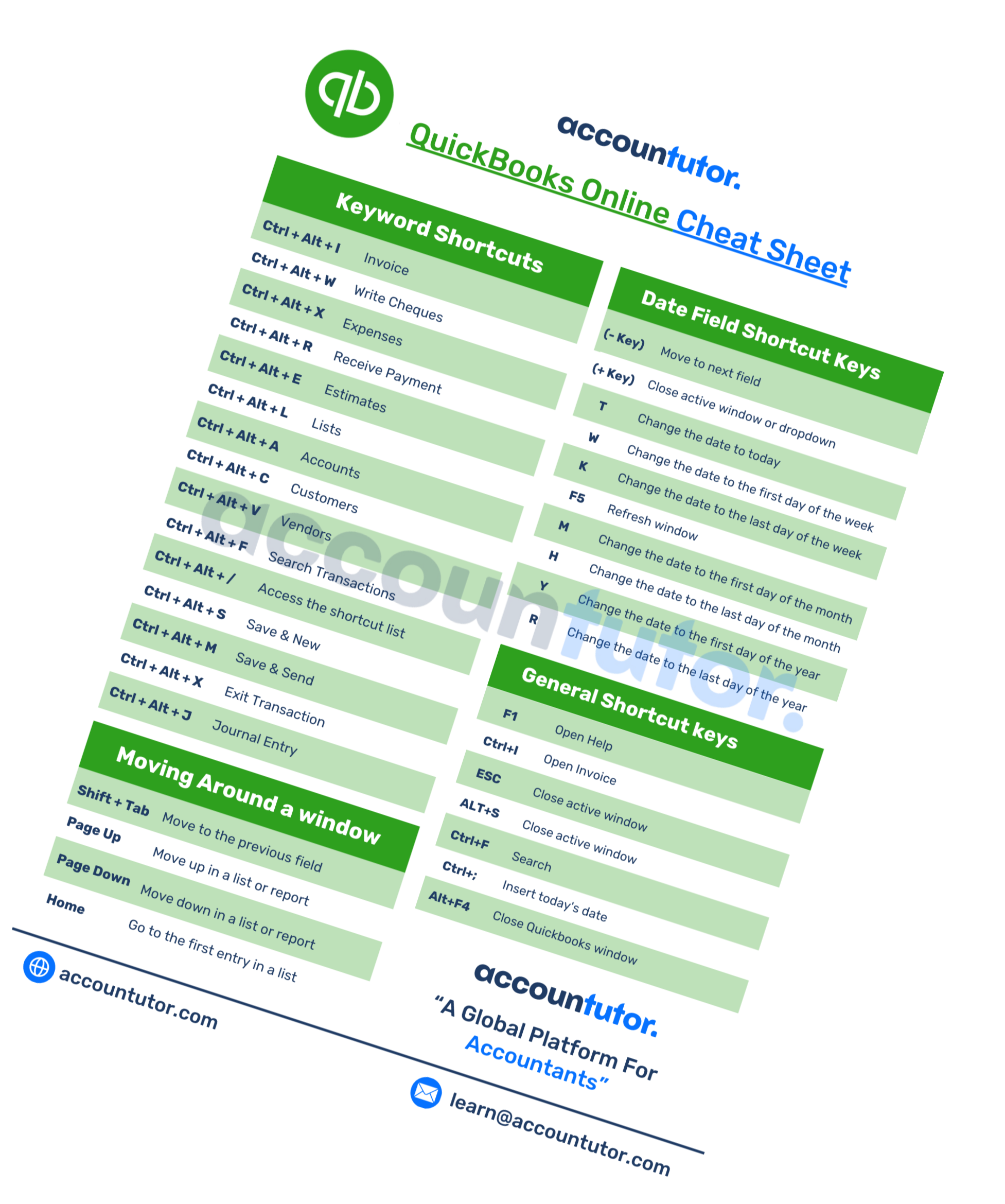
Download QuickBooks Online Cheat Sheet
Thank you!
Download ABCD of Accounting
Thank you!
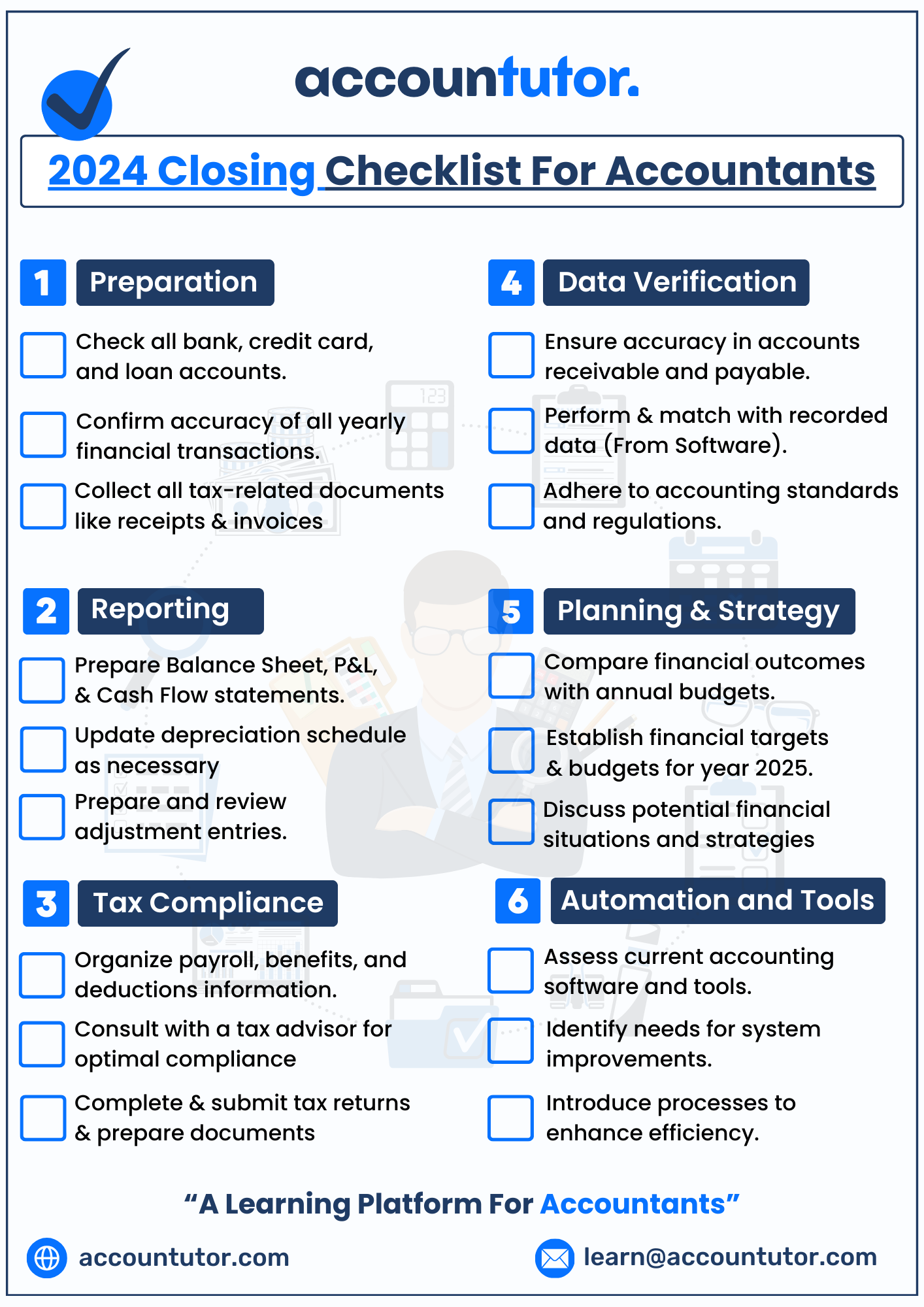
Download Checklist 2024
Thank you!
Register For Free!
Thank you!
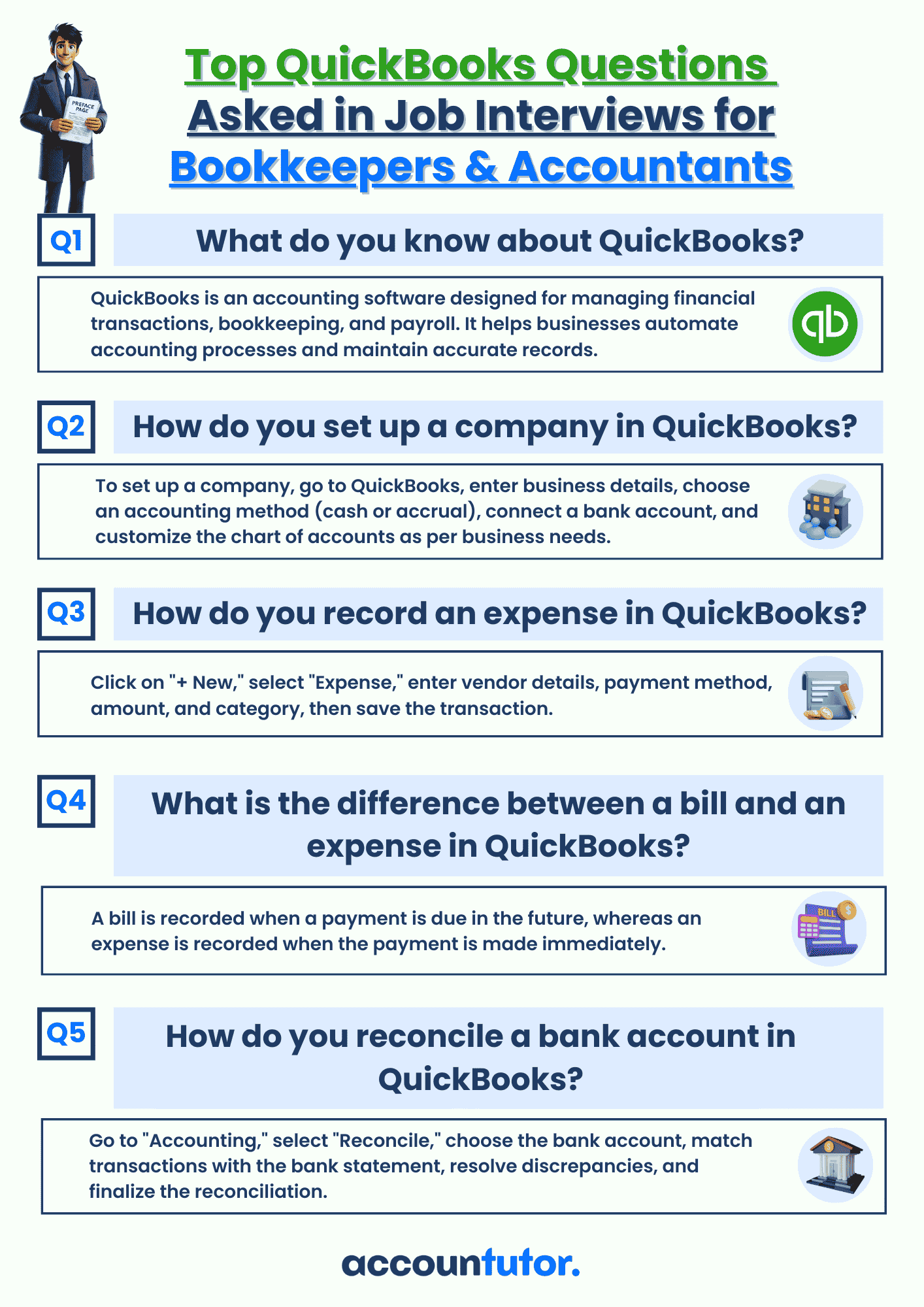
Download Interview Questions
Thank you!
Register for this webinar: How to Master QuickBooks Online— Without Feeling Overwhelmed
7th JUNE 2025 | 8:00 AM PST | 11:00 AM EST
Thank you! The joining link will be sent to your email shortly!
Webinar joining link will be sent to your email address.
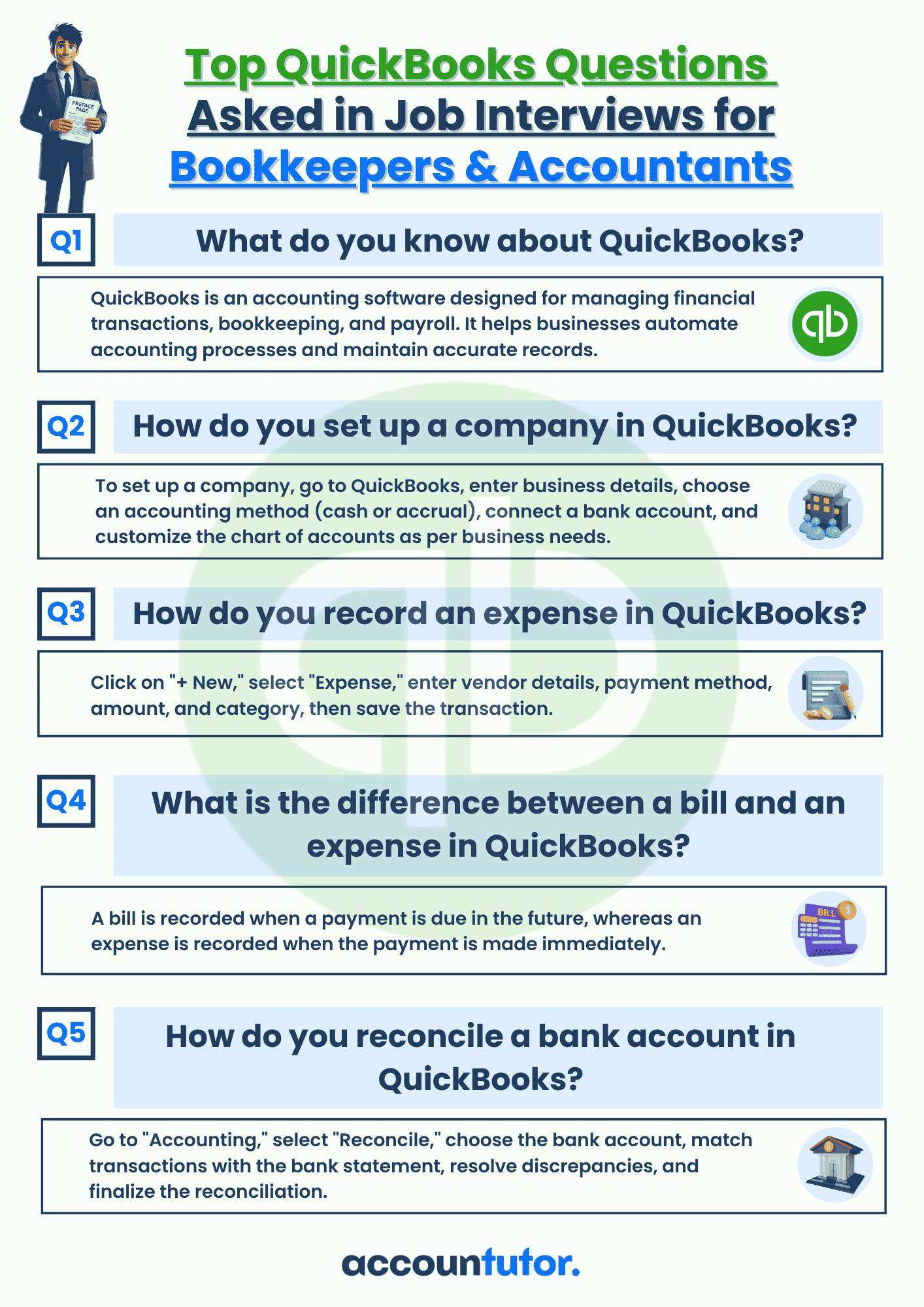
Download QBO Job Interview Questions and Answers PDF
Thank you!
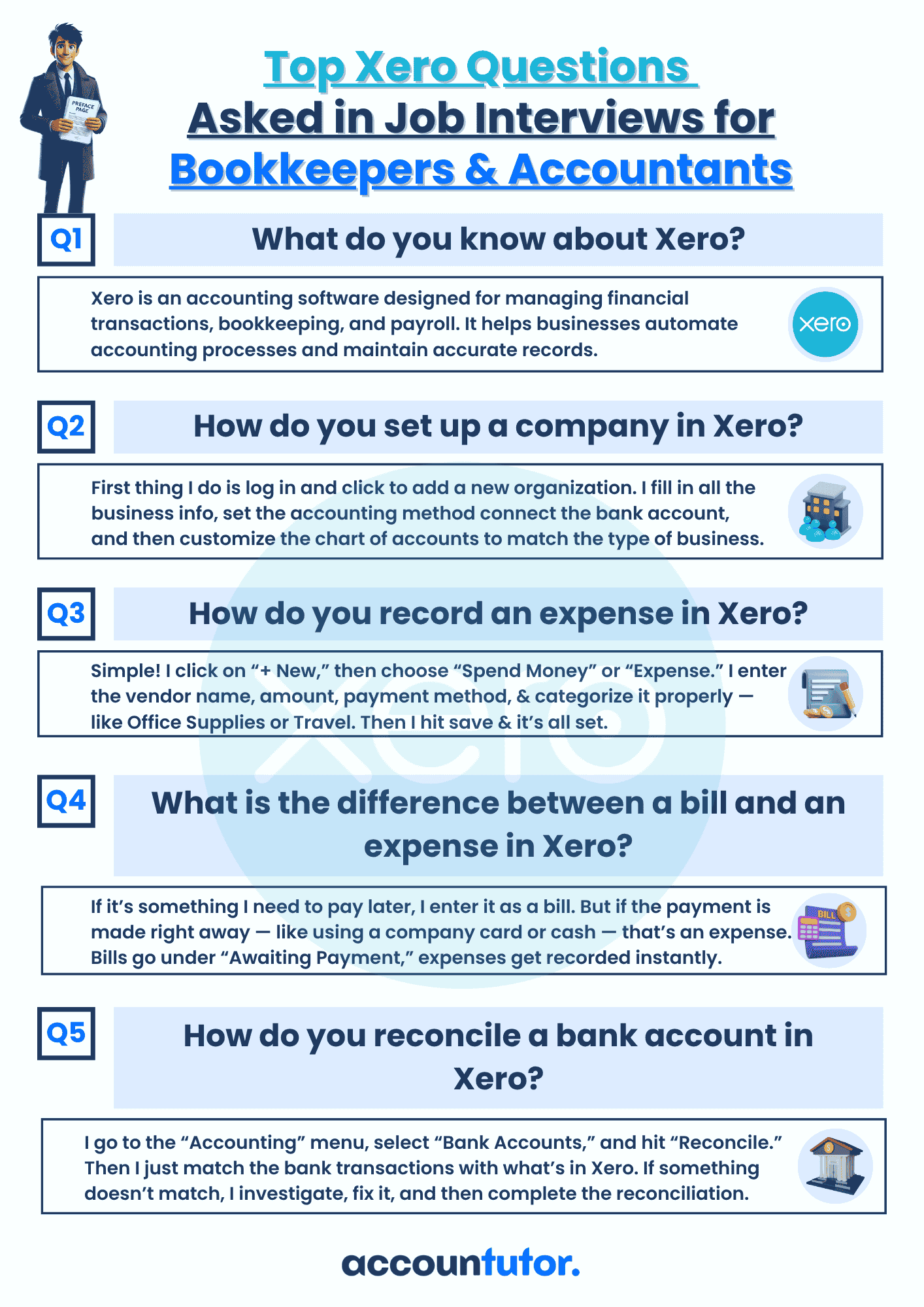
Download Interview Questions
Thank you!

Download 50 Interview Questions For Bookkeepers
Thank you!
Download QuickBooks Online Guidebook
Thank you!
Created with