What is Fixed Asset?
Dec 25
Introduction
A fixed asset is a long-term tangible asset that a business owns and uses in its operations to generate income. These assets are not intended for immediate sale and typically have a useful life of more than one year. Fixed assets include items like buildings, machinery, vehicles, and equipment. They are recorded on the balance sheet at their original purchase price and depreciated over time to reflect wear and tear or obsolescence.
How it works?
A manufacturing company purchases a machine for $100,000 to produce goods. The machine is expected to be used for 10 years and contributes directly to the company’s production process. While the machine’s original cost is recorded as a fixed asset on the balance sheet, its value decreases over time through depreciation. For example, using the straight-line depreciation method, the company allocates $10,000 annually ($100,000 ÷ 10 years) as an expense in the income statement. This allows the company to match the cost of the machine with the revenue it helps generate, ensuring accurate financial reporting.
Why it is important?
Fixed assets are critical for a business’s operational success and long-term financial stability. Their significance includes the following:
1. Revenue Generation: Fixed assets are essential for producing goods or delivering services, directly impacting a company’s ability to generate income.
Example: A construction company relies on heavy machinery to complete projects and earn revenue.
2. Capital Investment and Growth: Acquiring fixed assets represents an investment in the company’s future growth and operational capacity.
Example: A retail chain purchases new store locations to expand its presence and attract more customers.
3. Financial Stability and Borrowing: Fixed assets are often used as collateral for securing loans, providing financial stability and increasing borrowing capacity.
Example: A logistics company uses its fleet of trucks as collateral to obtain a loan for expansion.
4. Cost Allocation through Depreciation: Depreciating fixed assets ensures that their costs are spread over their useful lives, matching expenses with the revenue generated.
Example: A company records $20,000 annual depreciation on its factory equipment, aligning costs with production income.
Types of Fixed Assets (Expanded Explanation with Examples):
1. Buildings: Structures owned by a company, including offices, factories, and warehouses. These are crucial for housing operations and storing goods.
Example: A manufacturing firm owns a factory building valued at $2 million, where it produces goods.
2. Machinery and Equipment: Machines and tools used in the production process or service delivery. These are often the backbone of manufacturing and industrial businesses.
Example: A bakery uses industrial ovens worth $50,000 to produce bread and pastries.
3. Vehicles: Vehicles used for business purposes, such as delivery trucks, company cars, or service vans.
Example: A courier company owns a fleet of delivery trucks valued at $500,000 for transporting packages.
4. Furniture and Fixtures: Items used in office spaces or business premises, including desks, chairs, shelves, and lighting.
Example: A corporate office purchases $30,000 worth of desks and chairs for its employees.
5. Land: Land owned by a business for operational purposes or future development. Unlike other fixed assets, land is not depreciated.
Example: A retail company owns a plot of land valued at $1 million, intended for building a new store.
6. Computers and IT Equipment: Computers, servers, and other IT infrastructure used to support business operations.
Example: A software company invests $200,000 in high-performance servers for its data center.
Conclusion:
Fixed assets form the foundation of a company’s operations, enabling revenue generation and long-term growth. Proper management of fixed assets, including their acquisition, maintenance, and depreciation, ensures operational efficiency and financial stability. By investing in and leveraging fixed assets effectively, businesses can achieve strategic goals, maintain competitiveness, and secure a strong financial position over time.
Accounting and Bookkeeping courses for you
Subscribe to our newsletter
Stay informed with the latest accounting tips, tools, and updates from Accountutor right in your email inbox.
Thank you!
Policy Pages
Download QuickBooks Online PDF Guide
Thank you!
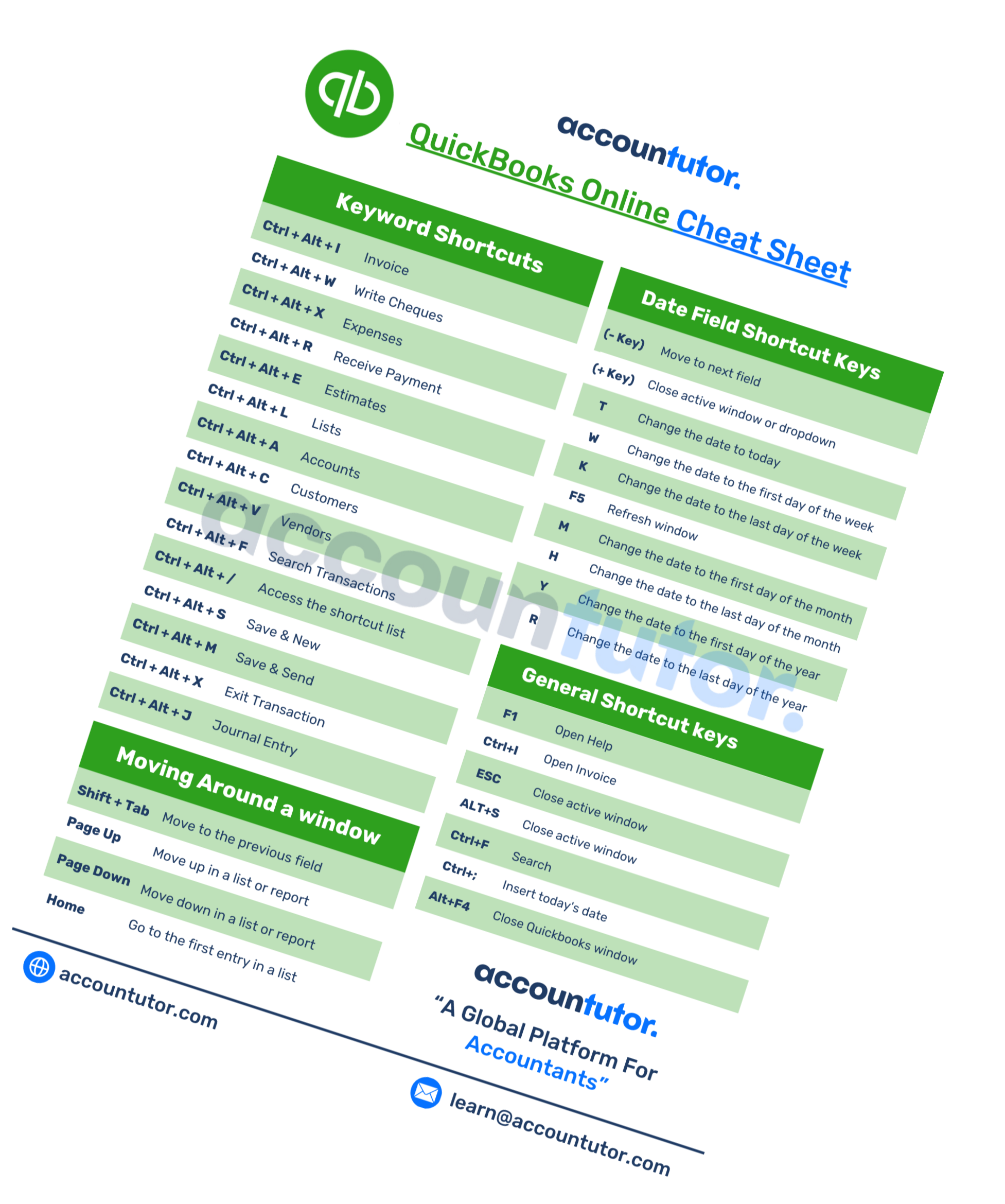
Download QuickBooks Online Cheat Sheet
Thank you!
Download ABCD of Accounting
Thank you!
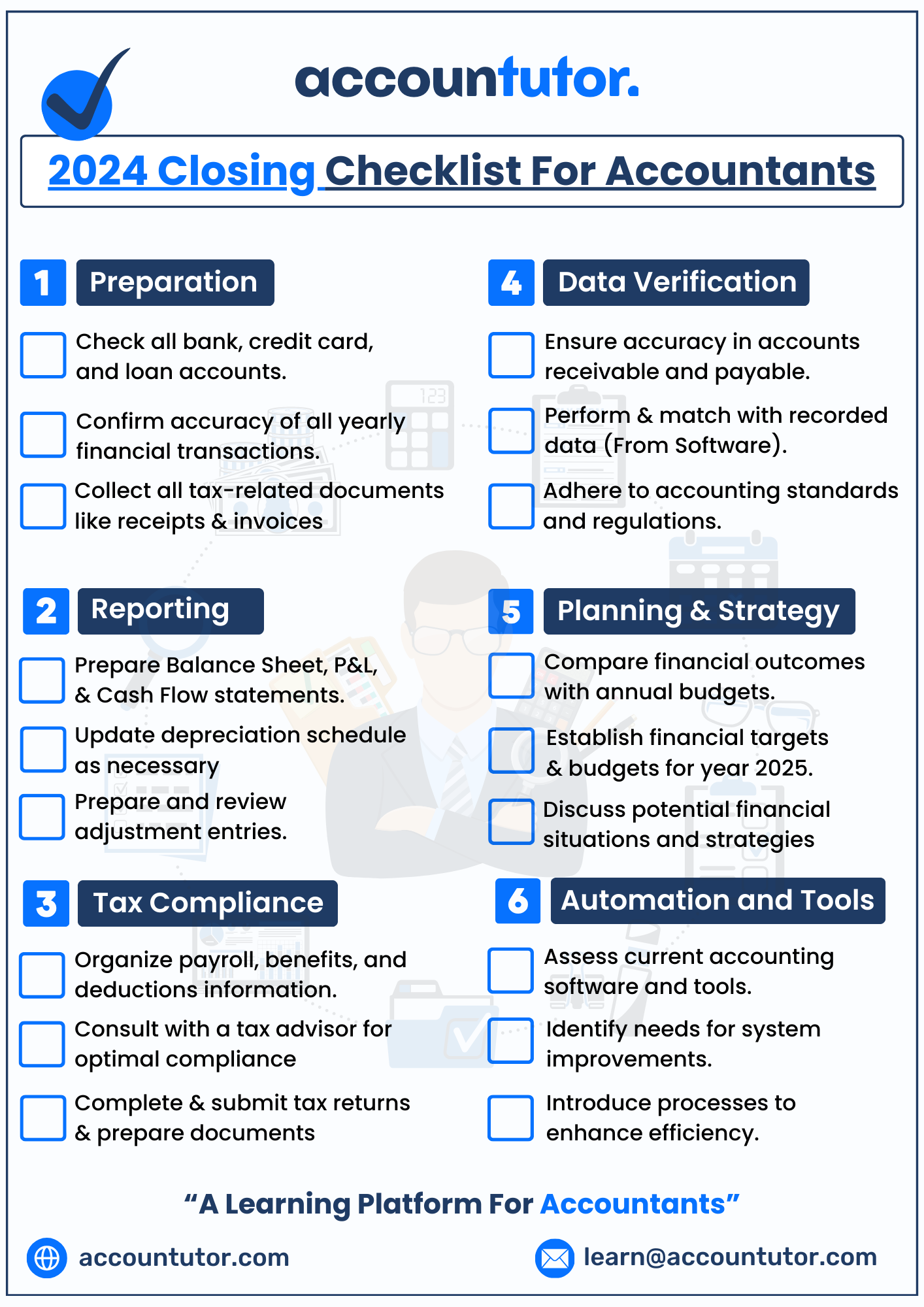
Download Checklist 2024
Thank you!
Register For Free!
Thank you!
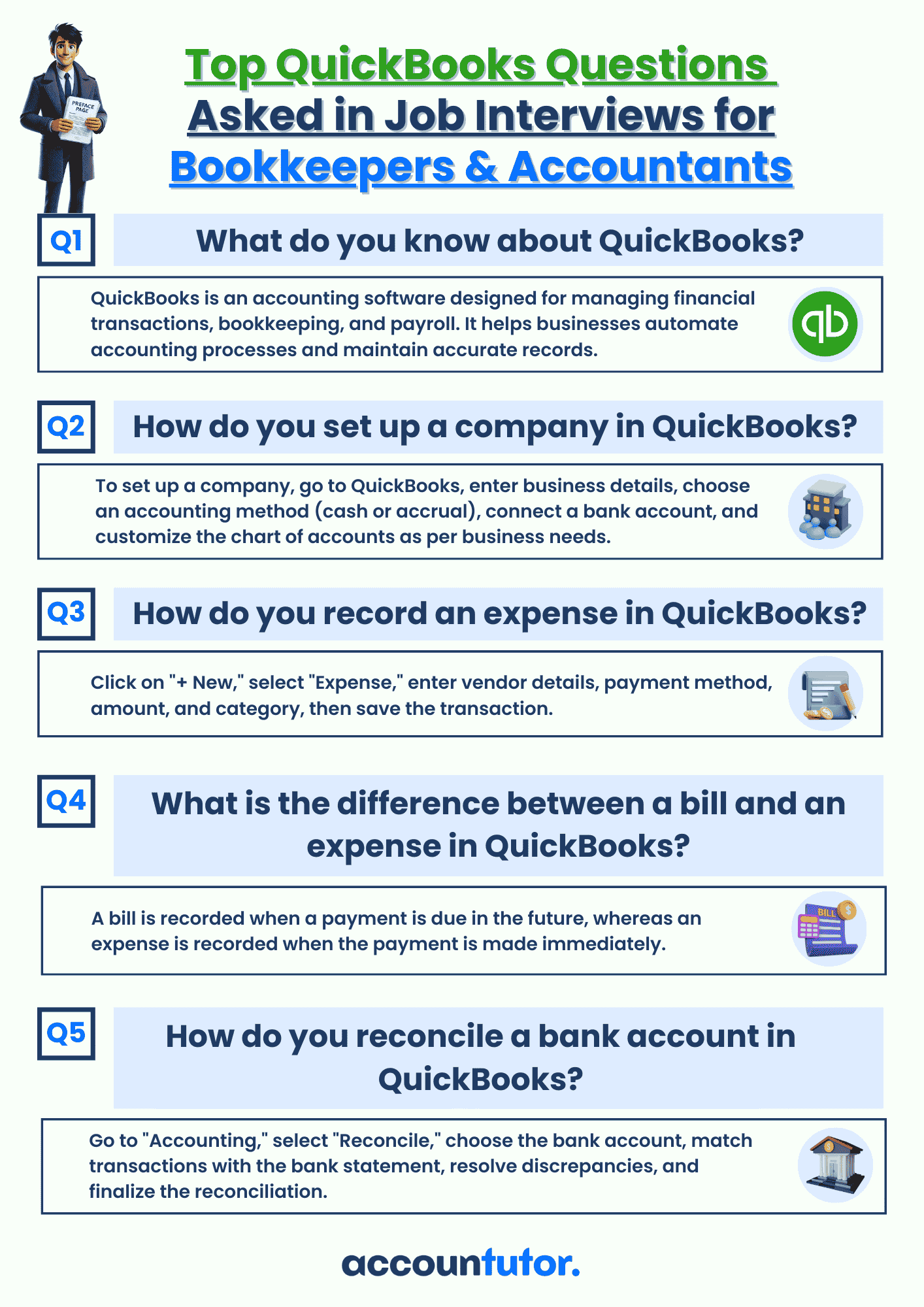
Download Interview Questions
Thank you!
Register for this webinar: How to Master QuickBooks Online— Without Feeling Overwhelmed
7th JUNE 2025 | 8:00 AM PST | 11:00 AM EST
Thank you! The joining link will be sent to your email shortly!
Webinar joining link will be sent to your email address.
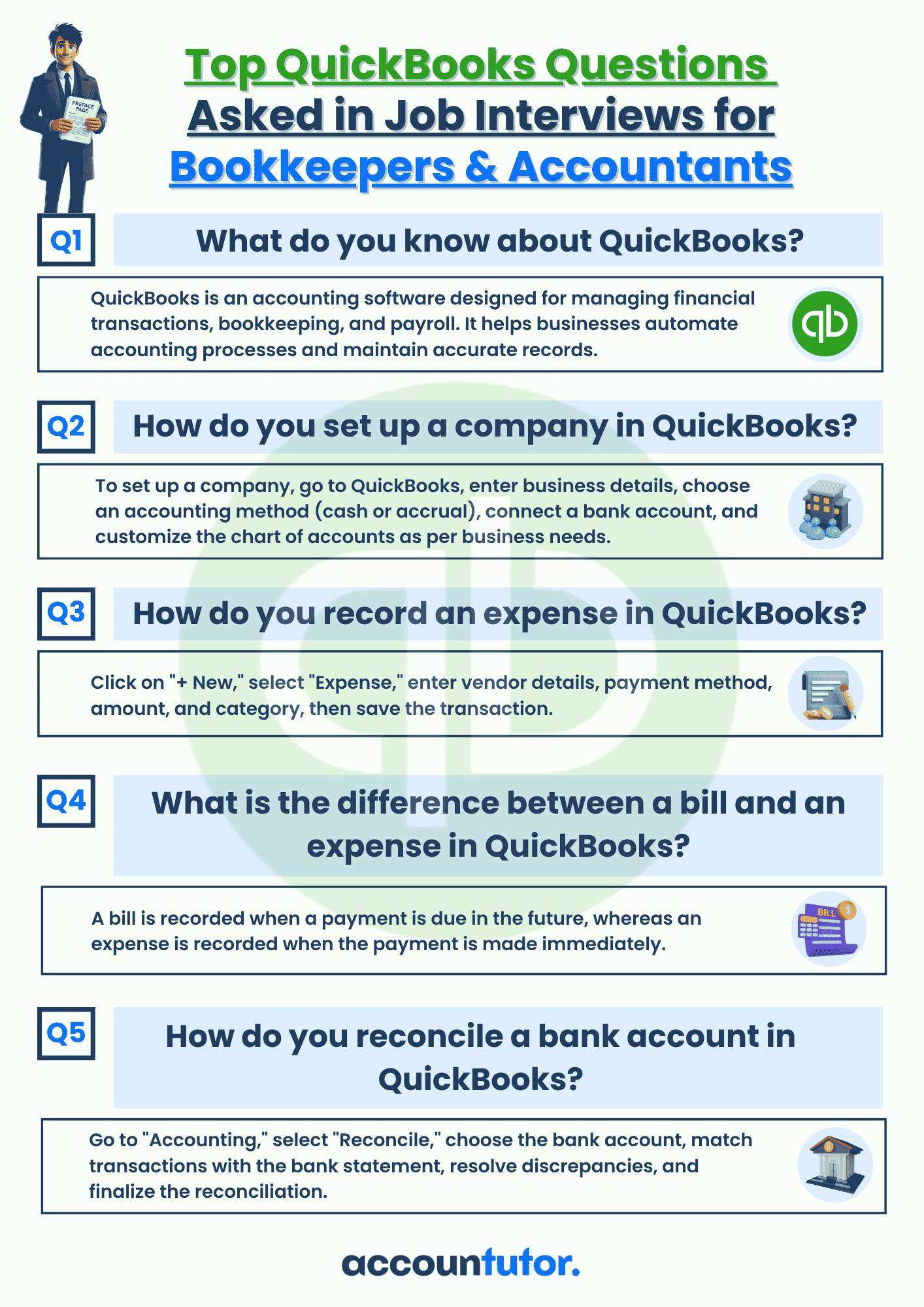
Download QBO Job Interview Questions and Answers PDF
Thank you!
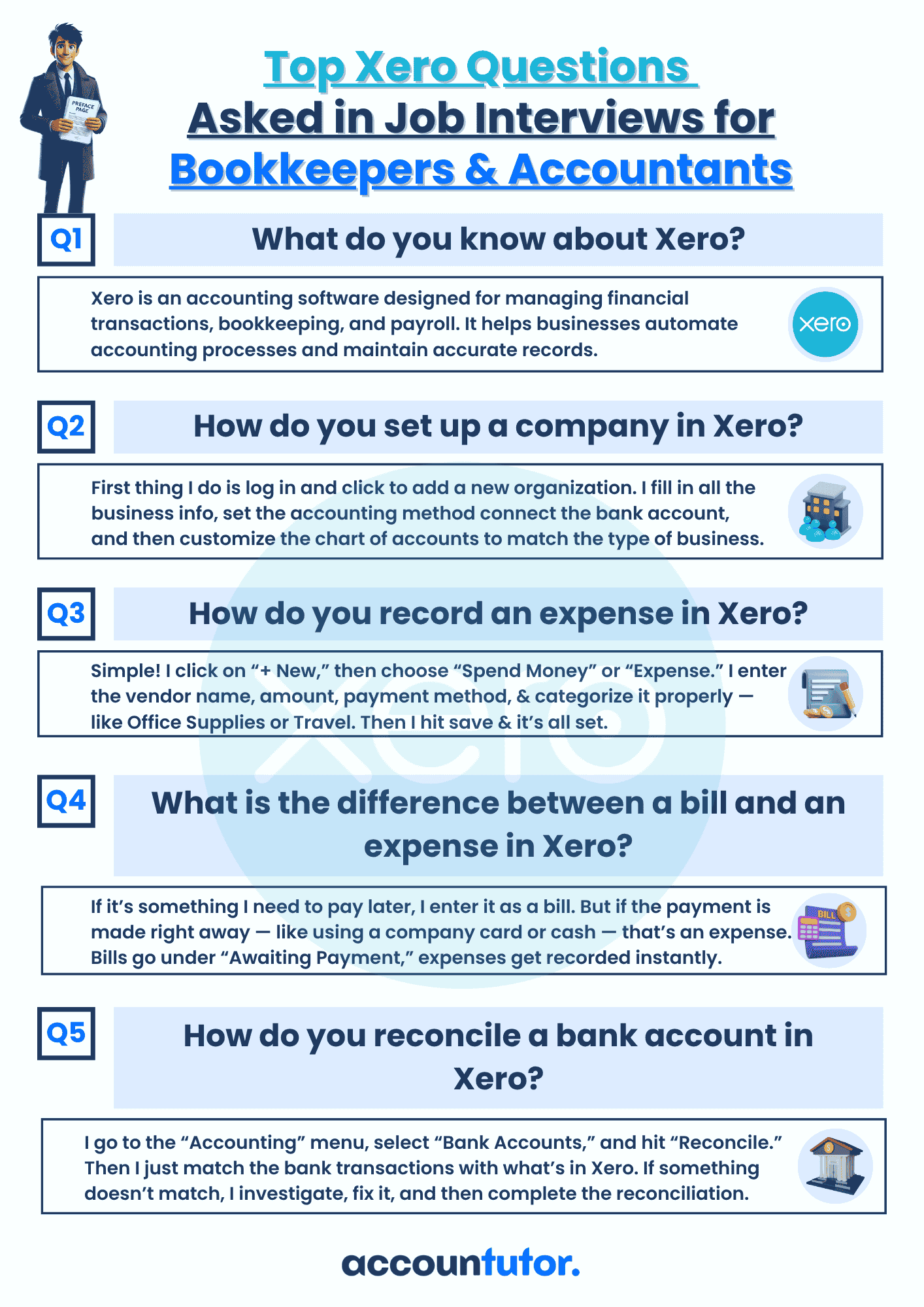
Download Interview Questions
Thank you!
Download 50 Interview Questions For Bookkeepers
Thank you!
Download QuickBooks Online Guidebook
Thank you!
Created with