What is Expense?
Dec 25
Introduction
An expense is a cost incurred by a business or individual to generate revenue or sustain operations. Expenses are recorded in the income statement and reduce a company’s net income. They can include costs such as salaries, rent, utilities, raw materials, and advertising. Expenses are categorized based on their nature and timing, such as operating vs. non-operating and fixed vs. variable, and are essential for understanding a company’s profitability and efficiency.
How it works?
A coffee shop spends $5,000 on rent, $3,000 on employee wages, $2,000 on utilities, and $1,000 on raw materials such as coffee beans and milk during March. These costs are recorded as expenses on the income statement, totaling $11,000 for the month. If the shop generates $20,000 in revenue, the $11,000 in expenses reduces the net income to $9,000. By tracking and analyzing these expenses, the shop identifies areas to optimize, such as sourcing cheaper suppliers for raw materials, to improve profitability.
Why it is important?
Expenses are integral to the financial management of a business, providing critical insights into cost structures and operational efficiency. Their significance includes the following:
1. Profitability Analysis: Expenses directly impact net income, highlighting the importance of cost management in achieving profitability.
Example: A restaurant reviews its monthly expenses to determine whether rising ingredient costs are eroding its profit margins.
2. Budgeting and Forecasting: Monitoring expenses helps businesses create accurate budgets and predict future financial performance.
Example: A retail chain analyzes historical expense data to allocate a $50,000 marketing budget for the holiday season.
3. Tax Reporting: Expenses reduce taxable income, ensuring businesses only pay taxes on their net earnings.
Example: A freelancer claims $2,000 in home office expenses to lower their taxable income.
4. Operational Decision-Making: Tracking expenses helps businesses identify cost-saving opportunities and allocate resources effectively.
Example: A tech startup switches to a more affordable cloud storage provider after analyzing IT expenses.
Types of Expenses (Expanded Explanation with Examples):
1. Operating Expenses: These are costs incurred during the day-to-day running of a business, excluding costs directly related to production. Operating expenses include rent, utilities, salaries, and marketing.
Example: A retail store spends $10,000 on rent and $2,000 on advertising to attract customers.
2. Non-Operating Expenses: Non-operating expenses are costs not directly tied to core business activities, such as interest payments and losses on asset sales.
Example: A manufacturing company pays $5,000 in interest on a loan, which is recorded as a non-operating expense.
3. Fixed Expenses: Fixed expenses remain constant regardless of production or sales levels, such as rent and insurance.
Example: A bakery pays $3,000 in monthly rent, regardless of how many cakes it sells.
4. Variable Expenses: Variable expenses fluctuate with production or sales activity, such as raw material costs and commissions.
Example: A clothing brand’s fabric costs increase during peak production seasons.
5. Direct Expenses: Direct expenses are costs directly attributable to producing a specific product or service, such as raw materials and labor.
Example: A furniture company spends $1,000 on wood and $500 on labor to produce a dining table.
6. Indirect Expenses: Indirect expenses support overall operations but are not directly tied to a specific product, such as administrative salaries and office supplies.
Example: A company incurs $2,000 in administrative salaries and $500 on stationery.
7. Recurring Expenses: Recurring expenses occur regularly, such as monthly utility bills, rent, and subscriptions.
Example: A business pays $200 monthly for accounting software.
8. Non-Recurring Expenses: Non-recurring expenses are one-time costs, such as restructuring charges or equipment purchases.
Example: A company incurs $10,000 in legal fees during a one-time merger.
Conclusion:
Expenses are a critical aspect of financial management, directly influencing a company’s profitability and operational sustainability. By categorizing and analyzing expenses, businesses can identify inefficiencies, optimize spending, and plan effectively for future growth. Proper expense management not only ensures accurate financial reporting but also supports strategic decision-making, enabling businesses to remain competitive and financially stable.
Accounting and Bookkeeping courses for you
Subscribe to our newsletter
Stay informed with the latest accounting tips, tools, and updates from Accountutor right in your email inbox.
Thank you!
Policy Pages
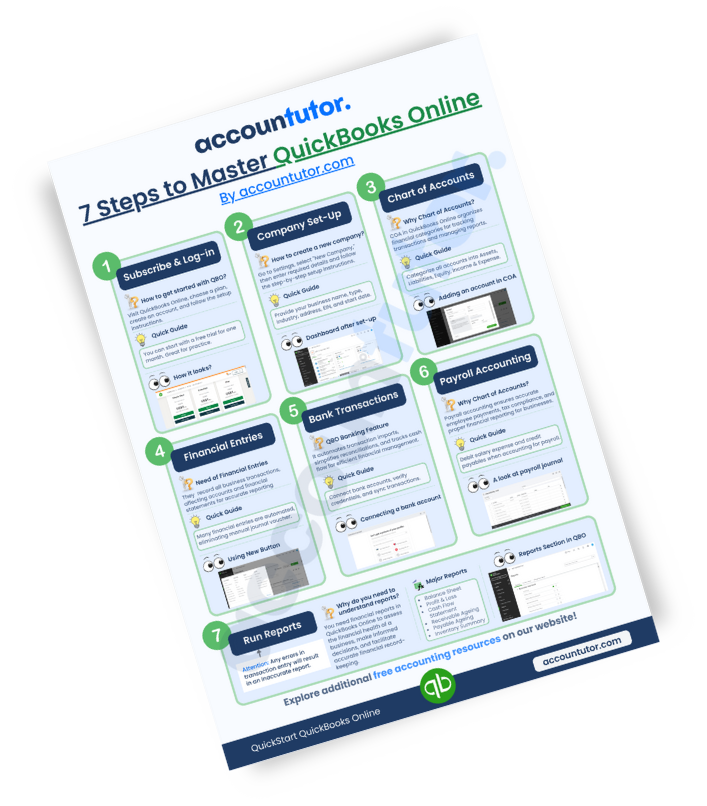
Download QuickBooks Online PDF Guide
Thank you!
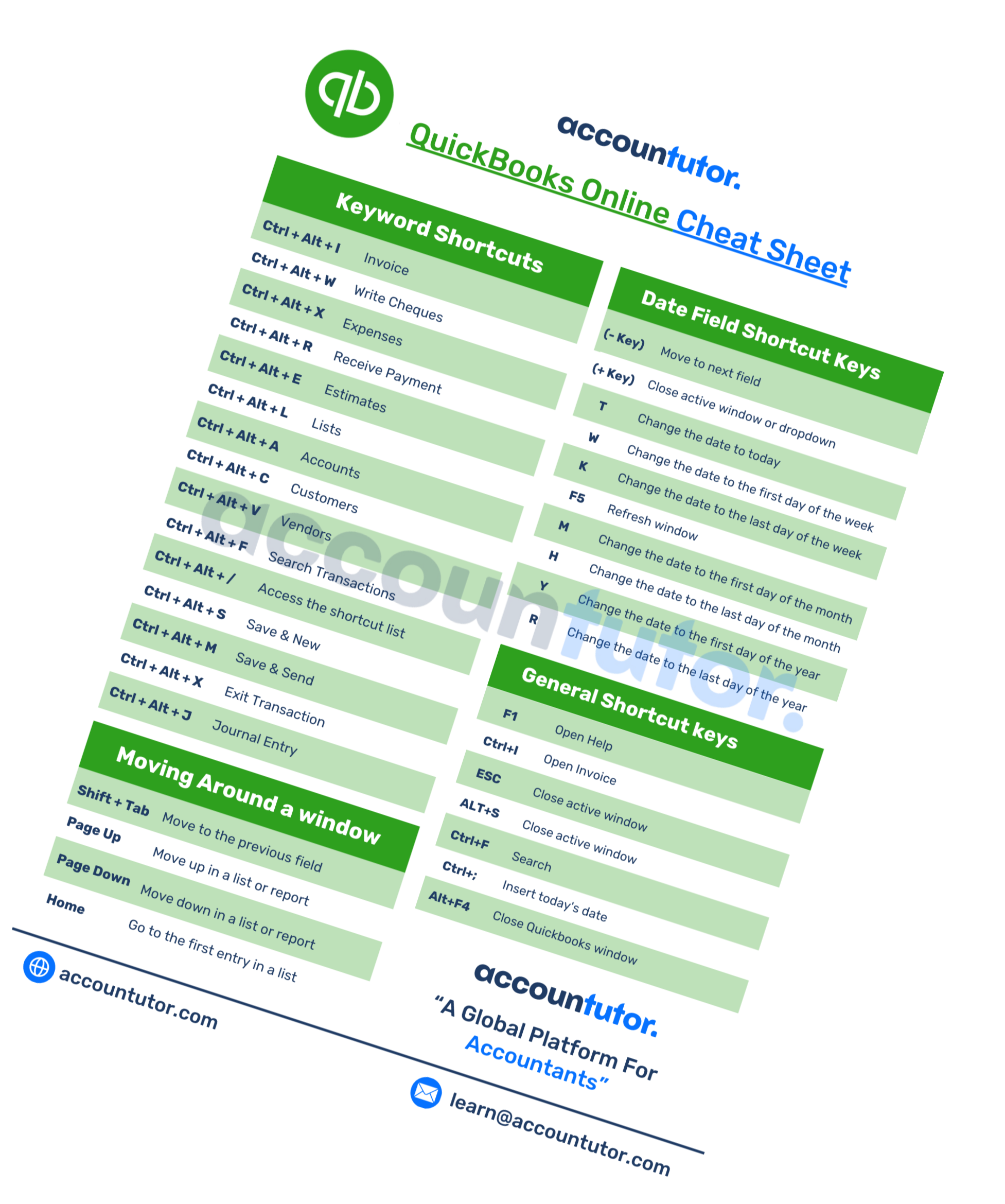
Download QuickBooks Online Cheat Sheet
Thank you!
Download ABCD of Accounting
Thank you!
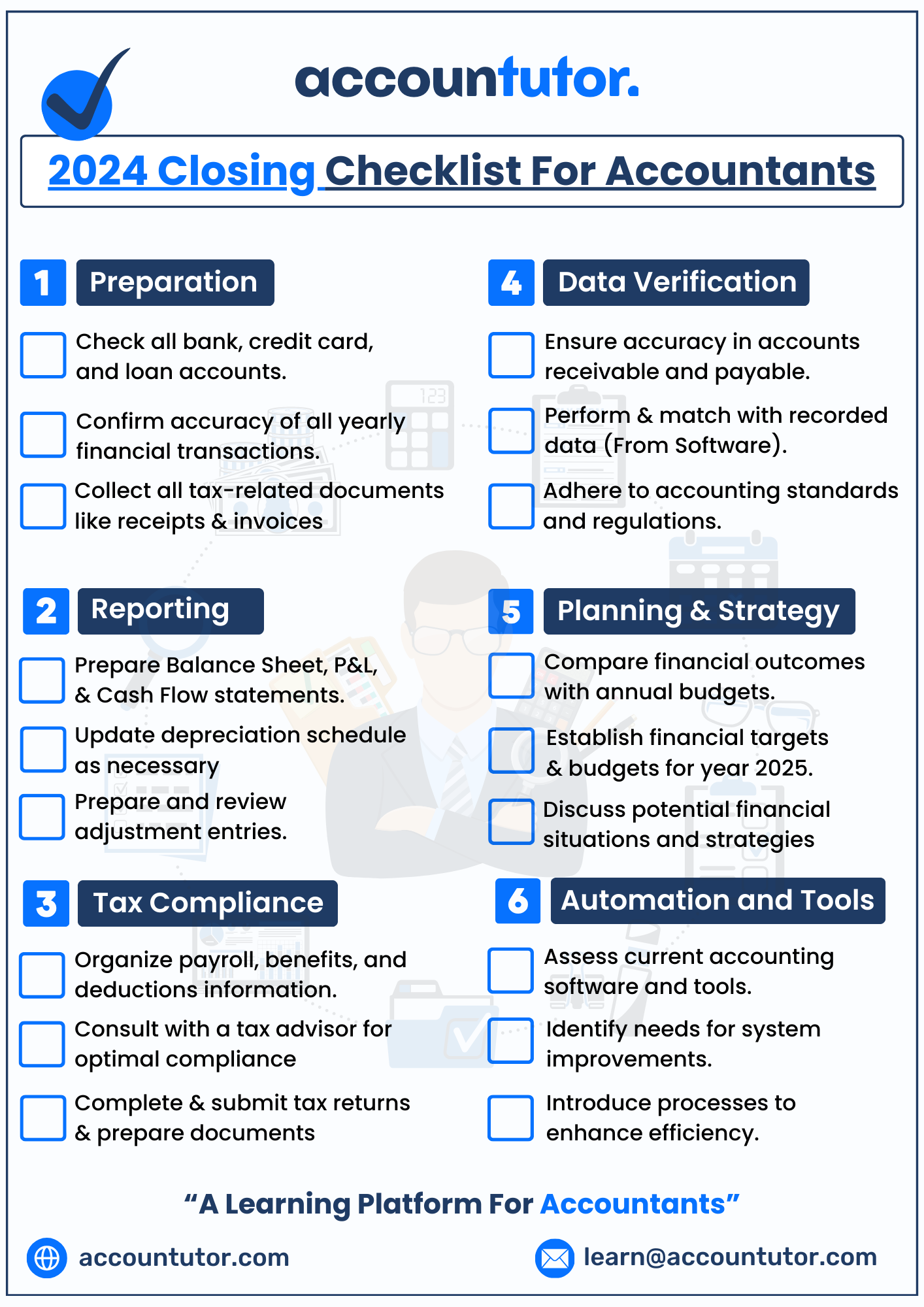
Download Checklist 2024
Thank you!
Register For Free!
Thank you!
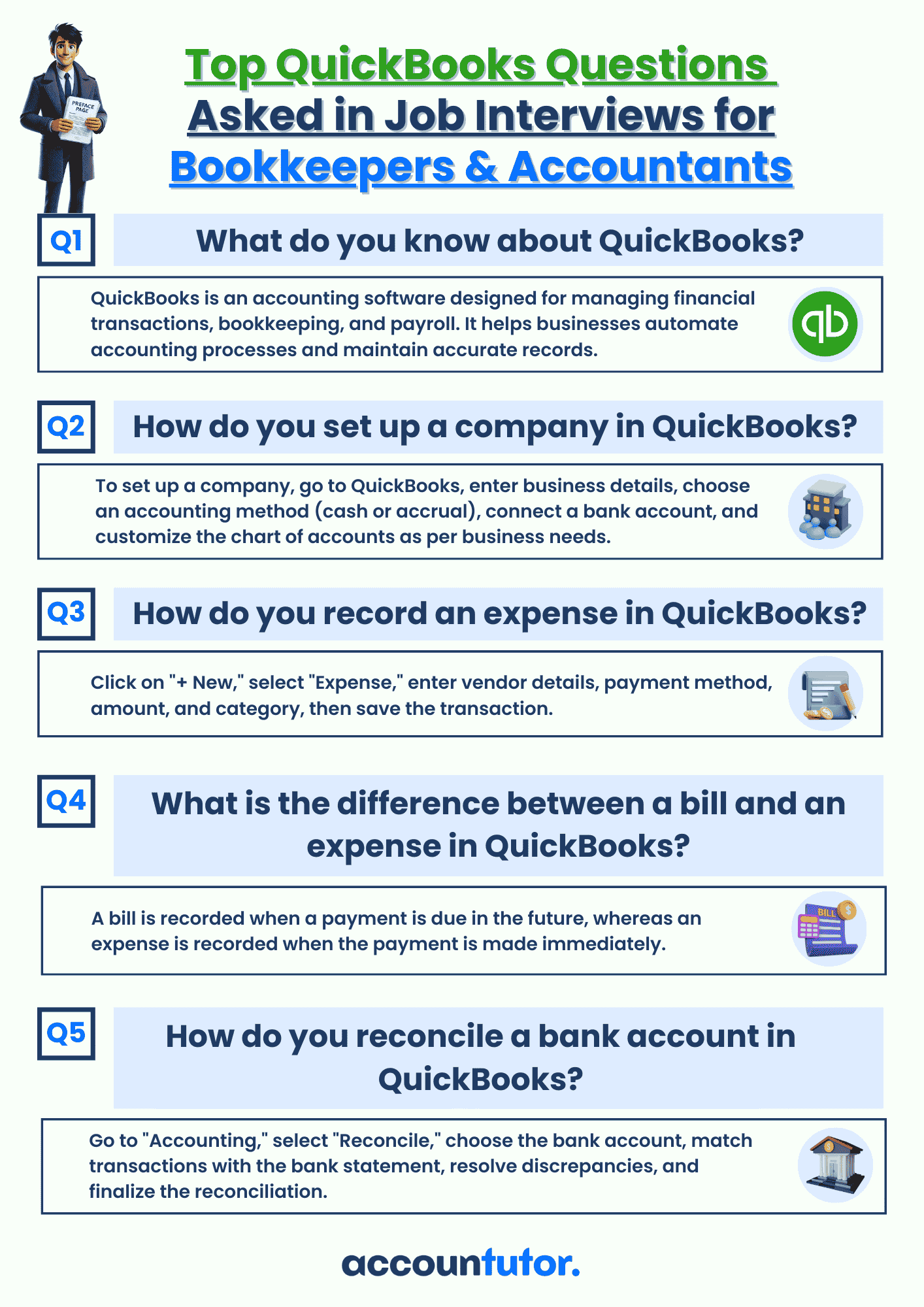
Download Interview Questions
Thank you!
Register for this webinar: How to Master QuickBooks Online— Without Feeling Overwhelmed
7th JUNE 2025 | 8:00 AM PST | 11:00 AM EST
Thank you! The joining link will be sent to your email shortly!
Webinar joining link will be sent to your email address.
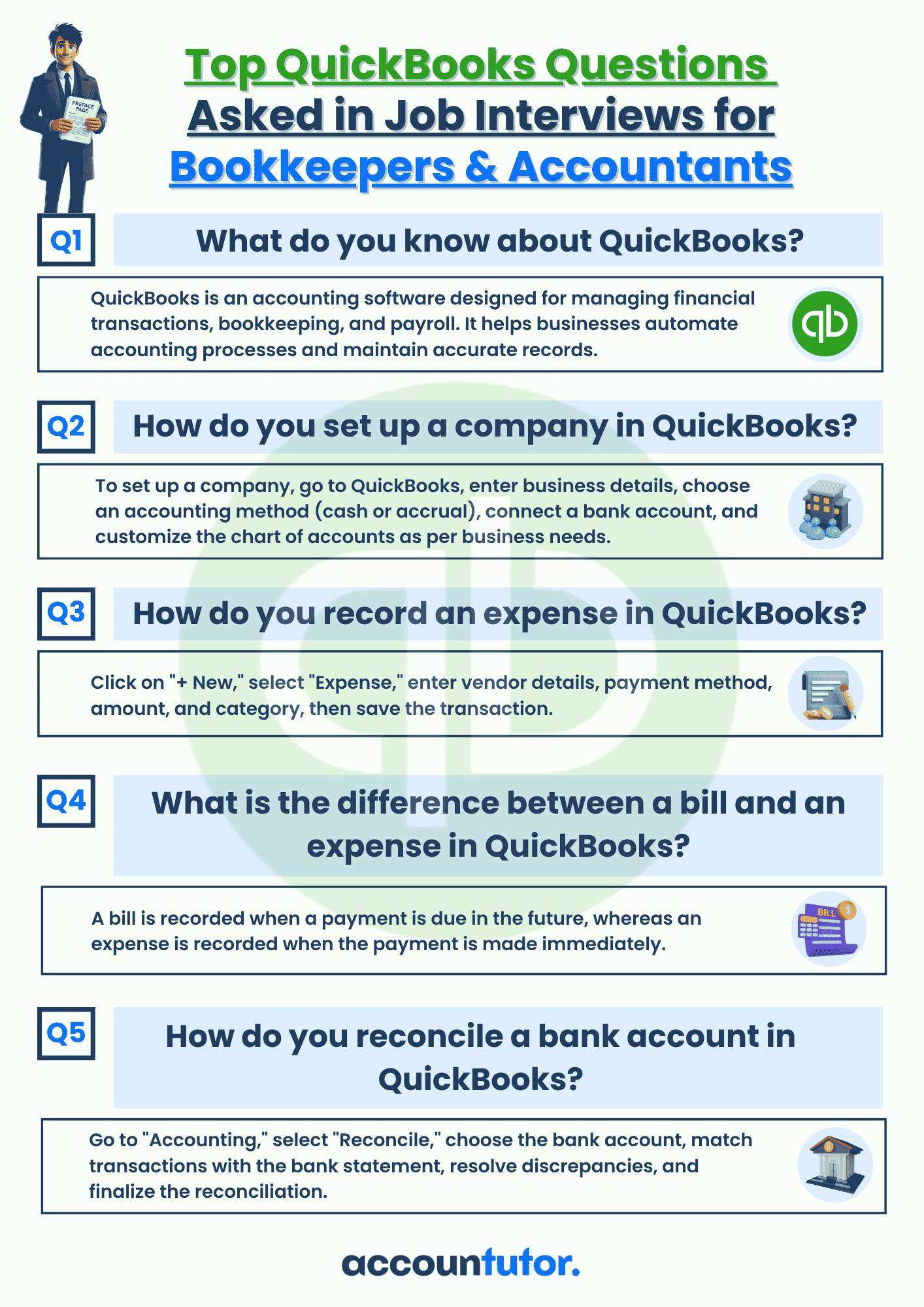
Download QBO Job Interview Questions and Answers PDF
Thank you!
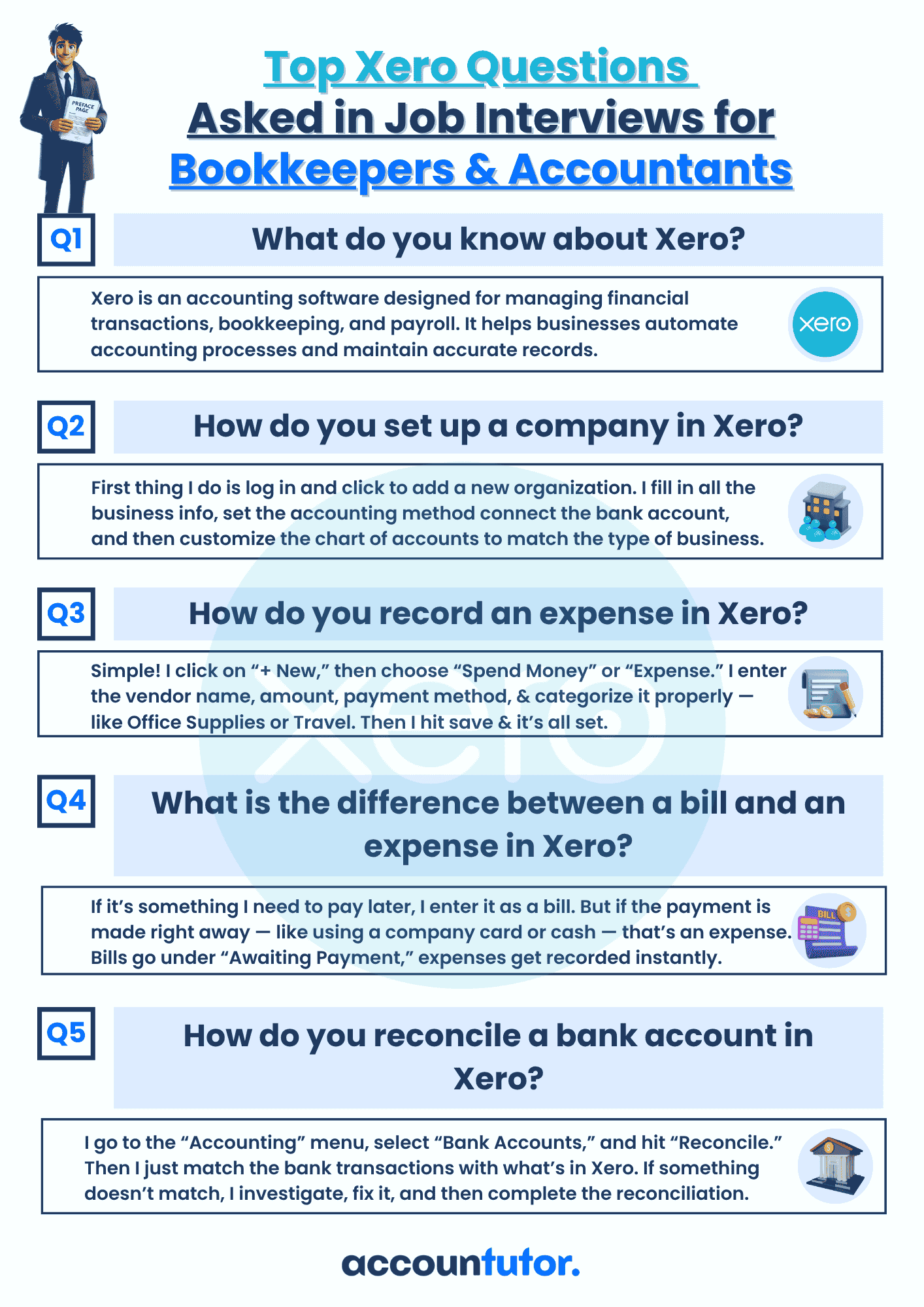
Download Interview Questions
Thank you!

Download 50 Interview Questions For Bookkeepers
Thank you!

Download QuickBooks Online Guidebook
Thank you!
Created with