What is Equity?
Dec 25
Introduction
Equity represents the ownership interest in a business held by its owners or shareholders after all liabilities are deducted from its assets. It is calculated using the formula:
Equity = Assets - Liabilities.
Equity is recorded in the balance sheet under the shareholders' equity or owners' equity section and comprises components like retained earnings, share capital, and additional paid-in capital. It reflects the net worth of the business and is a key indicator of financial health.
How it works?
A small retail business has total assets of $200,000, including inventory, equipment, and cash, and total liabilities of $80,000, which include loans and accounts payable. The owner’s equity is calculated as $200,000 (assets) - $80,000 (liabilities) = $120,000. This equity represents the owner’s claim on the business after settling all debts. Over time, as the business generates profits, the retained earnings increase, further boosting equity. This equity can be reinvested to expand operations or improve the company’s financial stability.
Why it is important?
Equity is a cornerstone of financial stability and operational flexibility for businesses. Its importance lies in the following areas:
1. Ownership and Control: Equity represents the ownership interest in a business, providing shareholders with voting rights and a claim on profits.
Example: A shareholder with 40% equity in a company has proportional voting power and profit entitlement.
2. Financial Health Indicator: Equity reflects a company’s net worth and financial stability. A growing equity balance often indicates profitability and effective management.
Example: A company with increasing retained earnings demonstrates sustainable growth and financial health.
3. Source of Funding: Equity provides a crucial source of funding for startups and expanding businesses, avoiding debt obligations.
Example: A tech startup raises $1 million in equity from investors to fund product development.
4. Buffer Against Losses: Equity serves as a cushion against unexpected losses, ensuring a business can continue operating despite financial setbacks.
Example: A restaurant with strong equity reserves survives a temporary decline in sales during a slow season.
Types of Equity (Expanded Explanation with Examples):
1. Common Equity: This is the primary equity held by common shareholders, representing ownership in the company and entitling them to voting rights and dividends.
Example: A shareholder with 1,000 common shares in a company owns a portion of the equity and participates in profit distributions.
2. Preferred Equity: Preferred equity provides shareholders with priority over common shareholders in receiving dividends and claims on assets during liquidation but often lacks voting rights.
Example: A company issues preferred shares with a fixed dividend rate of 6%, ensuring consistent returns for preferred shareholders.
3. Retained Earnings: Retained earnings are the cumulative profits of a company that are reinvested in the business instead of being distributed as dividends.
Example: A business retains $50,000 of its annual profit to fund the purchase of new equipment.
4. Share Capital: Share capital refers to the funds raised by a company through the issuance of shares to investors. It is classified as common or preferred capital.
Example: A company raises $500,000 in share capital by selling 50,000 shares at $10 each.
5. Treasury Stock: Treasury stock represents shares repurchased by the company from shareholders, reducing the outstanding equity.
Example: A firm buys back 10,000 shares from the market, reducing the number of shares available to investors.
6. Additional Paid-In Capital (APIC): APIC is the amount received from shareholders above the par value of the shares issued.
Example: A company sells shares with a par value of $1 for $5 each, recording the $4 excess as additional paid-in capital.
7. Equity Reserves: Reserves are portions of equity set aside for specific purposes, such as future expansion or contingencies.
Example: A company allocates $100,000 as a reserve for research and development.
Conclusion:
Equity represents the backbone of a business’s financial structure, providing ownership, stability, and funding. By managing equity components like retained earnings, share capital, and reserves, businesses can enhance their financial health, attract investors, and support long-term growth. A well-maintained equity position reflects operational efficiency and profitability, ensuring resilience and success in a competitive market.
Accounting and Bookkeeping courses for you
Subscribe to our newsletter
Stay informed with the latest accounting tips, tools, and updates from Accountutor right in your email inbox.
Thank you!
Policy Pages

Download QuickBooks Online PDF Guide
Thank you!
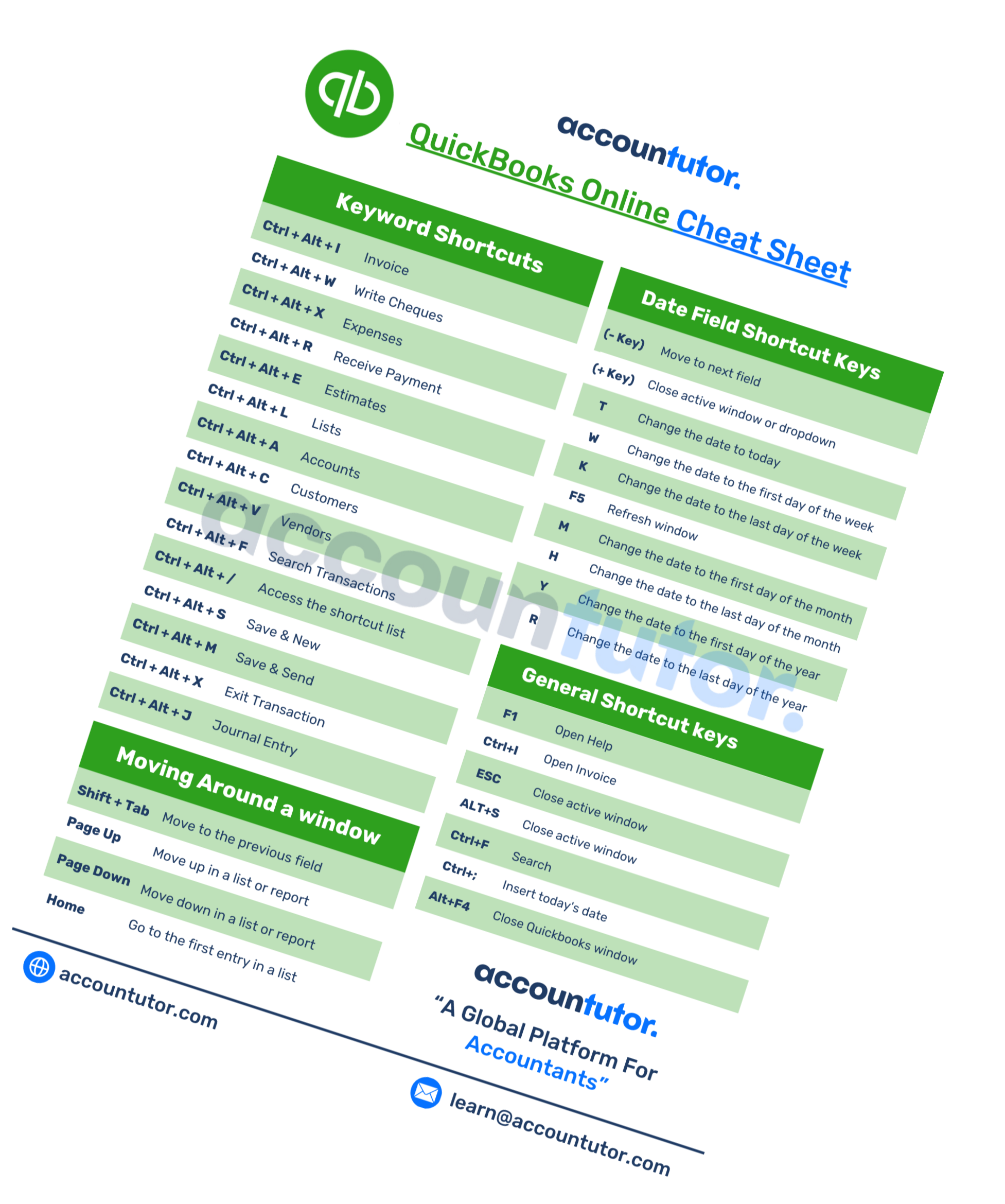
Download QuickBooks Online Cheat Sheet
Thank you!
Download ABCD of Accounting
Thank you!
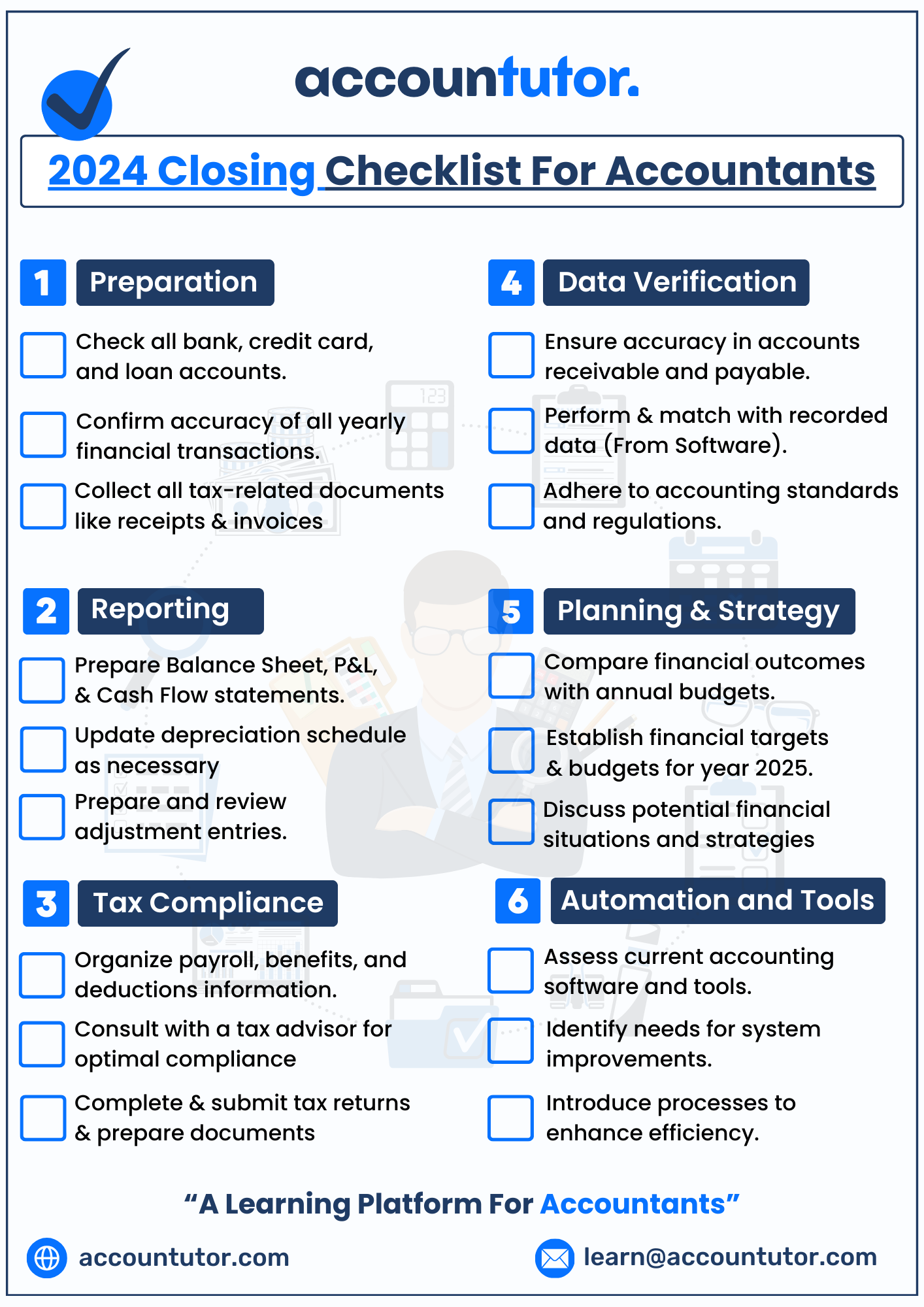
Download Checklist 2024
Thank you!
Register For Free!
Thank you!
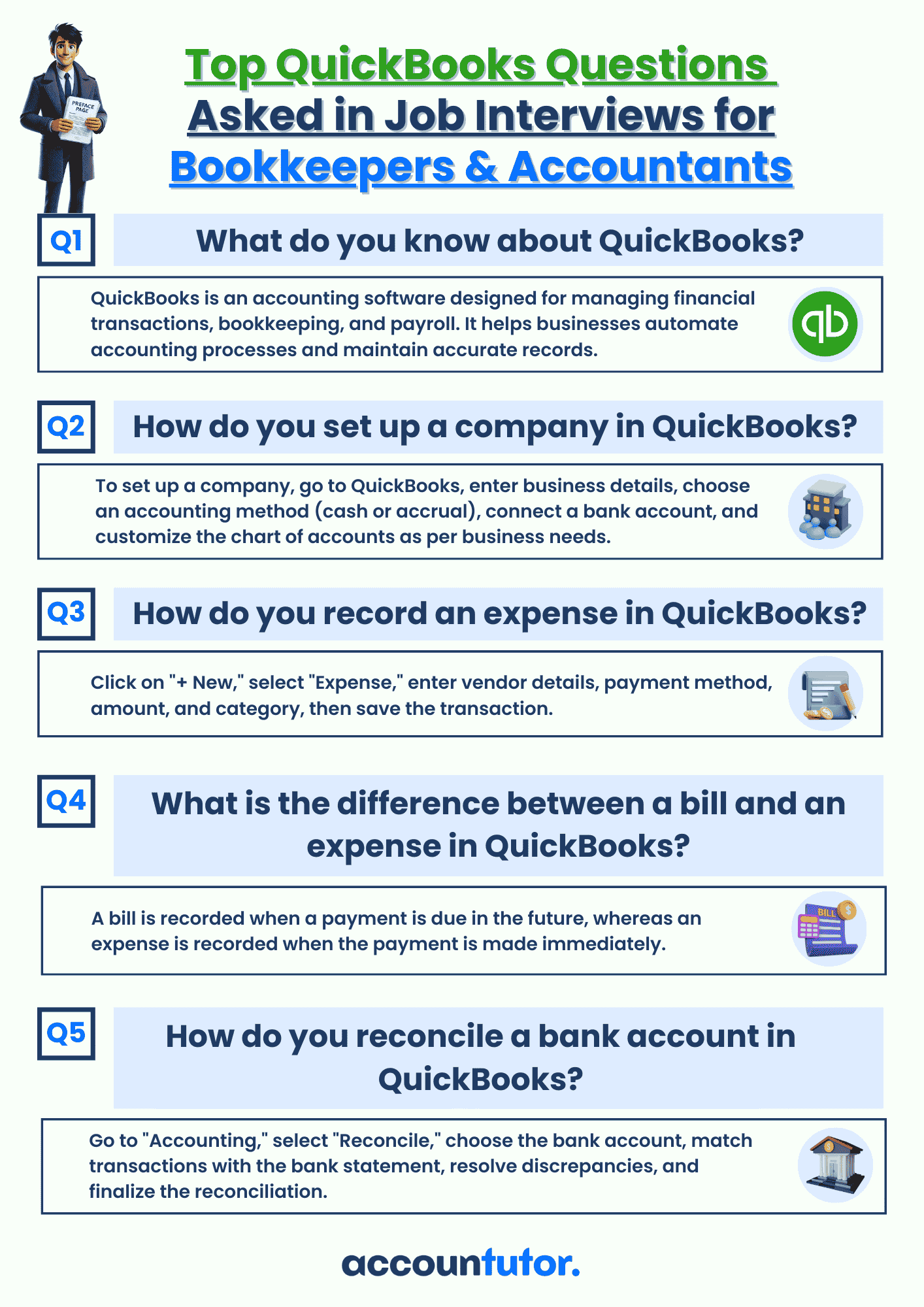
Download Interview Questions
Thank you!
Register for this webinar: How to Master QuickBooks Online— Without Feeling Overwhelmed
7th JUNE 2025 | 8:00 AM PST | 11:00 AM EST
Thank you! The joining link will be sent to your email shortly!
Webinar joining link will be sent to your email address.
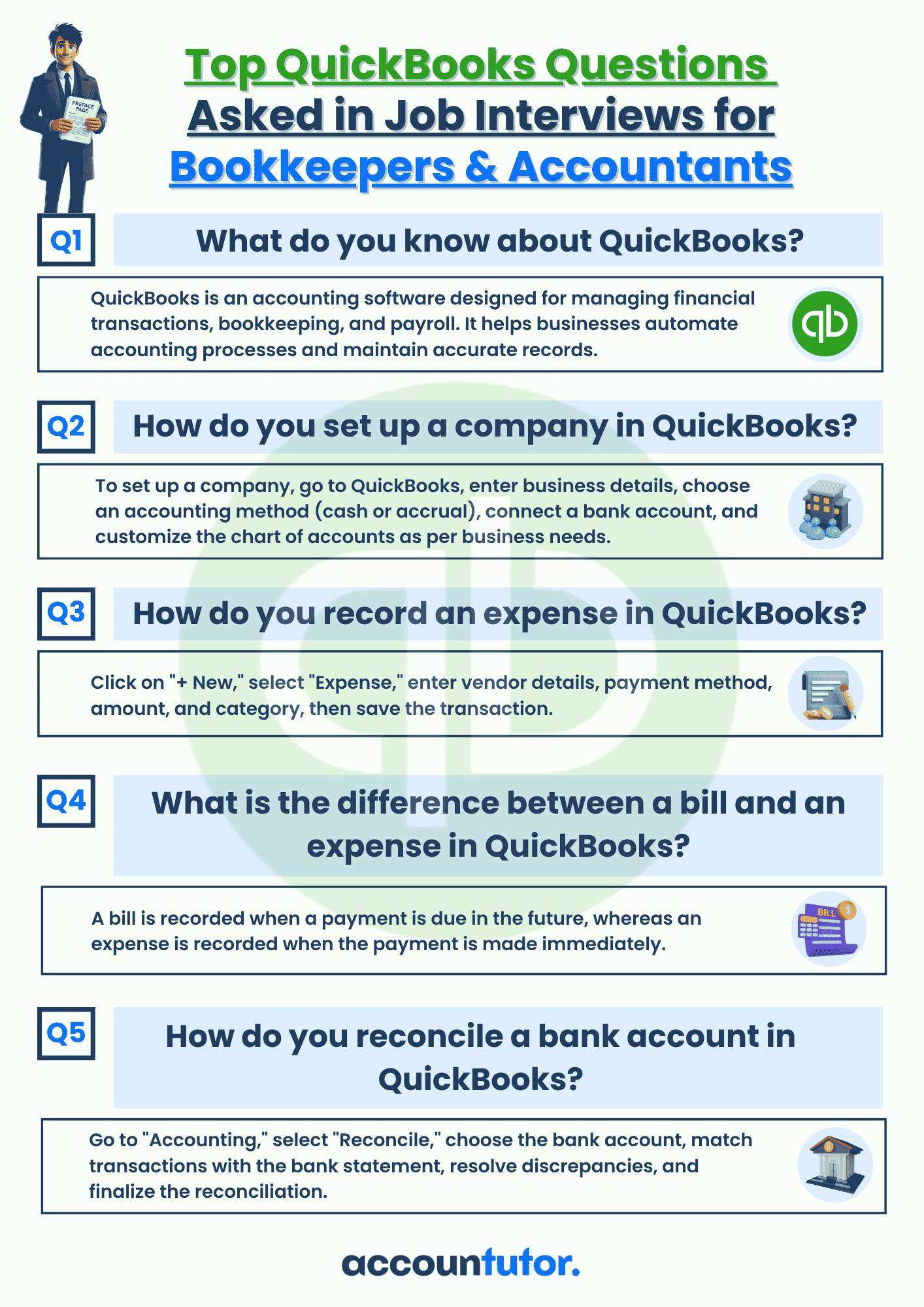
Download QBO Job Interview Questions and Answers PDF
Thank you!
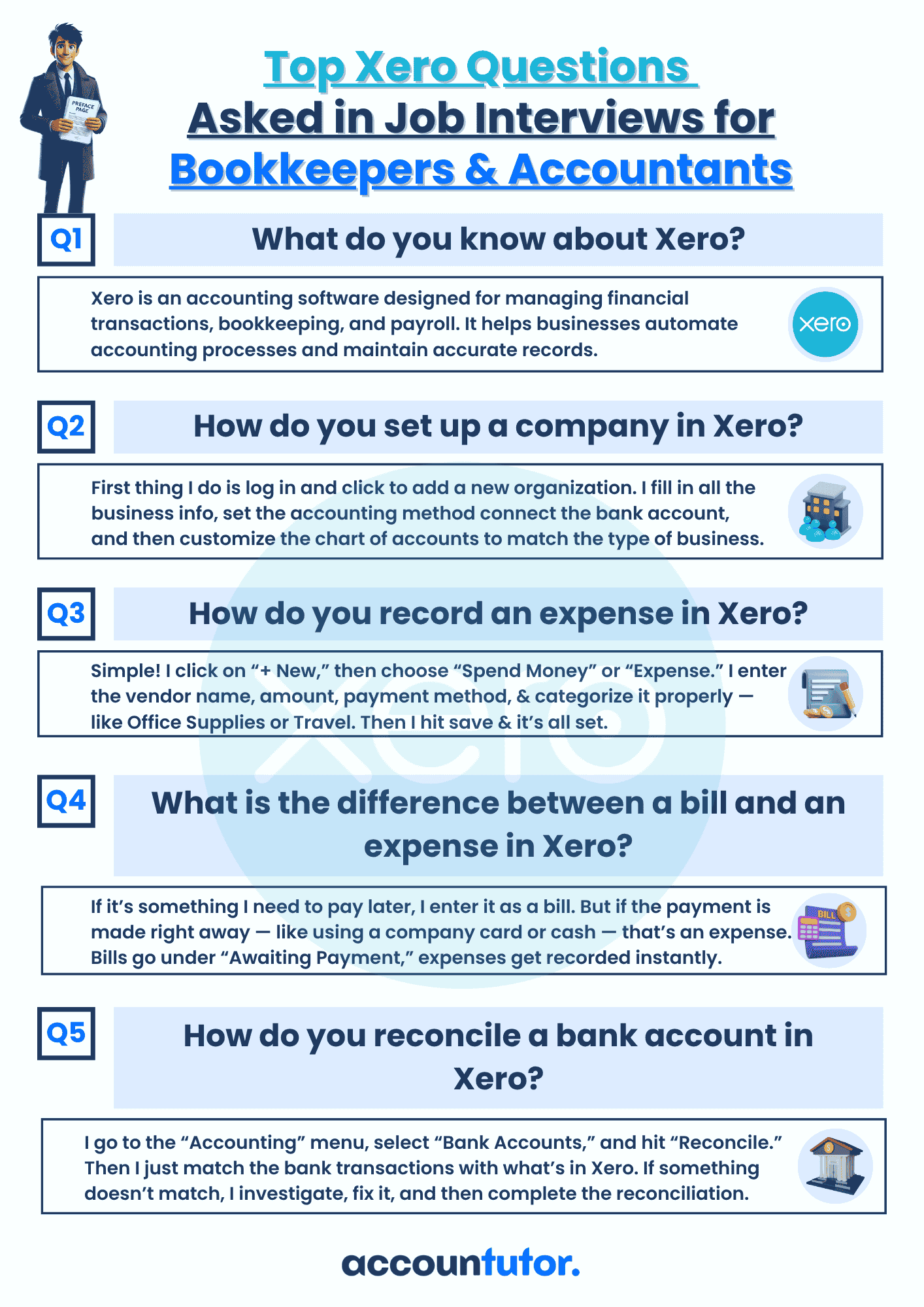
Download Interview Questions
Thank you!

Download 50 Interview Questions For Bookkeepers
Thank you!

Download QuickBooks Online Guidebook
Thank you!
Created with