What is Cash Flow?
Dec 25

Introduction
Cash flow refers to the net movement of cash and cash equivalents into and out of a business over a specific period. It indicates how well a company manages its cash position by tracking cash generated from operations, investments, and financing activities. A positive cash flow ensures that a business can cover its expenses, invest in growth, and meet its financial obligations, while negative cash flow may signal financial difficulties. Cash flow is reported in the Cash Flow Statement, a key financial document.
How it works?
A clothing retailer generates $50,000 in cash from sales during March but spends $20,000 on purchasing new inventory, $5,000 on rent, and $3,000 on employee wages. The retailer also invests $10,000 in opening a new store location and receives a $15,000 loan. By the end of March, the cash flow statement shows a net positive cash flow of $27,000. This detailed tracking allows the retailer to allocate cash for future inventory purchases and store renovations while ensuring it can meet ongoing operational expenses.
Why it is important?
Cash flow is a critical measure of a company’s financial health and its ability to sustain operations. Here’s why it matters:
1. Liquidity Management: Cash flow ensures businesses have sufficient cash to cover short-term expenses such as payroll, rent, and supplier payments.
Example: A restaurant uses cash flow projections to ensure it can meet food supplier obligations during slow sales months.
2. Operational Sustainability: Positive cash flow from operating activities reflects a company’s ability to generate cash from its core business operations.
Example: A software company tracks cash flow from customer subscriptions to sustain product development and support services.
3. Investment Opportunities: Strong cash flow allows businesses to invest in new projects, equipment, or expansion without relying heavily on external financing.
Example: A manufacturing firm uses surplus cash flow to purchase new machinery, increasing production capacity.
4. Debt Management: Healthy cash flow enables businesses to repay loans and reduce interest costs, improving financial stability.
Example: A construction company allocates a portion of its cash flow to pay off a $100,000 loan early, saving on interest.
Types of Cash Flow:
1. Operating Cash Flow (OCF): Operating cash flow reflects the cash generated or used by a company’s primary business activities, such as sales, supplier payments, and wages. It highlights whether a business’s operations are self-sustaining without external financing.
For instance, a coffee shop earns $50,000 from customer sales but spends $20,000 on supplies and wages. This results in a positive operating cash flow of $30,000, demonstrating the shop’s ability to fund its operations effectively.
For instance, a coffee shop earns $50,000 from customer sales but spends $20,000 on supplies and wages. This results in a positive operating cash flow of $30,000, demonstrating the shop’s ability to fund its operations effectively.
2. Investing Cash Flow (ICF): Investing cash flow tracks cash spent on or generated from the purchase or sale of long-term assets like equipment, property, or securities. While a negative investing cash flow is typical for growing businesses investing in future capacity, a positive flow might indicate asset liquidation.
For example, a logistics company spends $100,000 on new delivery trucks, leading to a negative cash flow from investing activities. This investment, however, supports the company’s operational expansion.
For example, a logistics company spends $100,000 on new delivery trucks, leading to a negative cash flow from investing activities. This investment, however, supports the company’s operational expansion.
3. Financing Cash Flow (FCF): Financing cash flow captures the cash received from or paid for financing activities, such as issuing stock, borrowing loans, or repaying debt. It also includes dividends paid to shareholders.
For example, a startup secures $500,000 in funding from venture capitalists, creating a positive financing cash flow. Alternatively, a mature company paying $50,000 in dividends to its shareholders records a negative financing cash flow for the period.
For example, a startup secures $500,000 in funding from venture capitalists, creating a positive financing cash flow. Alternatively, a mature company paying $50,000 in dividends to its shareholders records a negative financing cash flow for the period.
Conclusion:
Cash flow is the lifeblood of any business, providing insight into its financial performance, operational health, and investment potential. By monitoring and managing cash flow effectively, companies can ensure liquidity, sustain operations, and seize growth opportunities. Whether through operating, investing, or financing activities, maintaining positive cash flow is essential for long-term success and financial stability.
Accounting and Bookkeeping courses for you
Subscribe to our newsletter
Stay informed with the latest accounting tips, tools, and updates from Accountutor right in your email inbox.
Thank you!
Policy Pages

Download QuickBooks Online PDF Guide
Thank you!
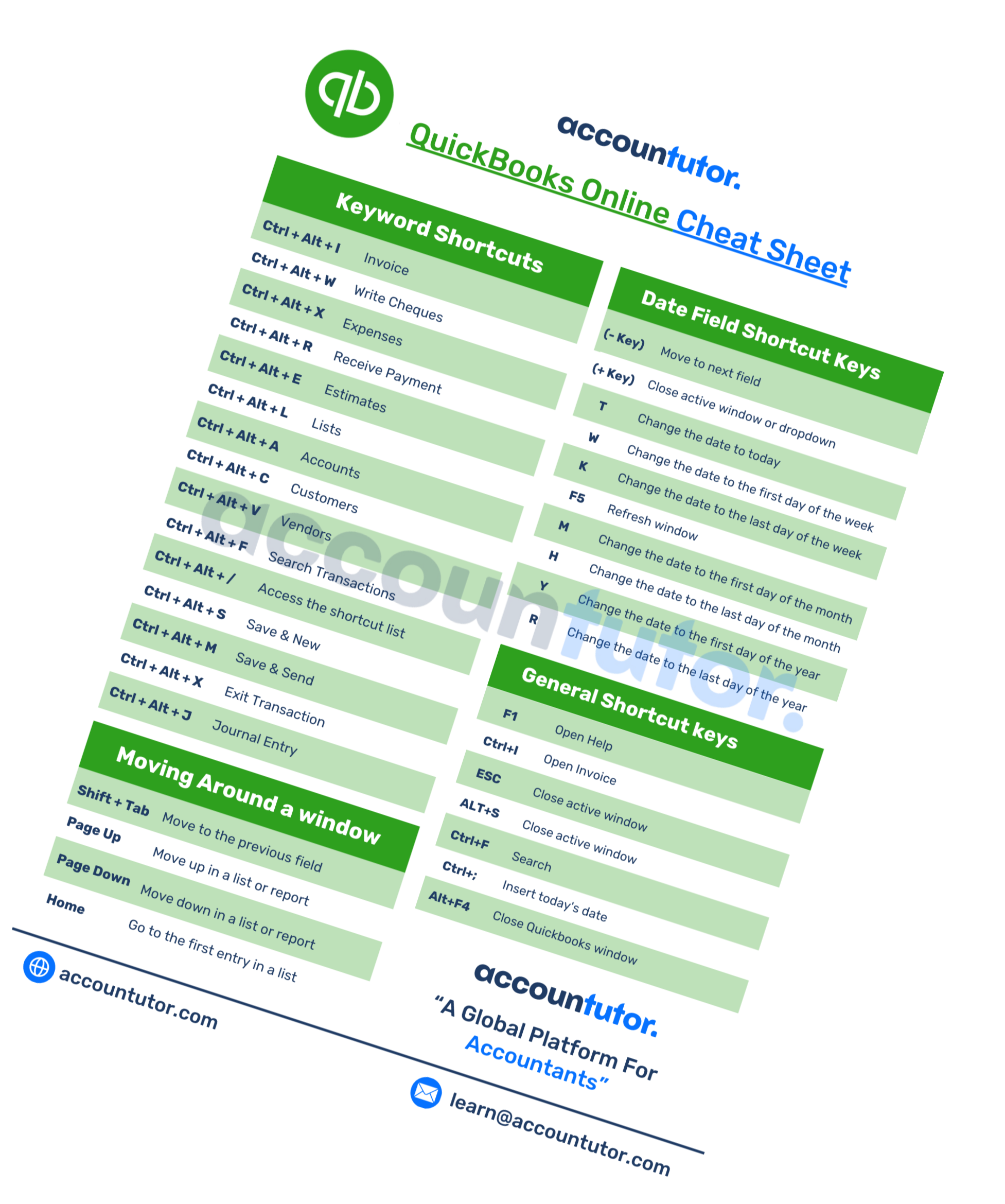
Download QuickBooks Online Cheat Sheet
Thank you!

Download ABCD of Accounting
Thank you!
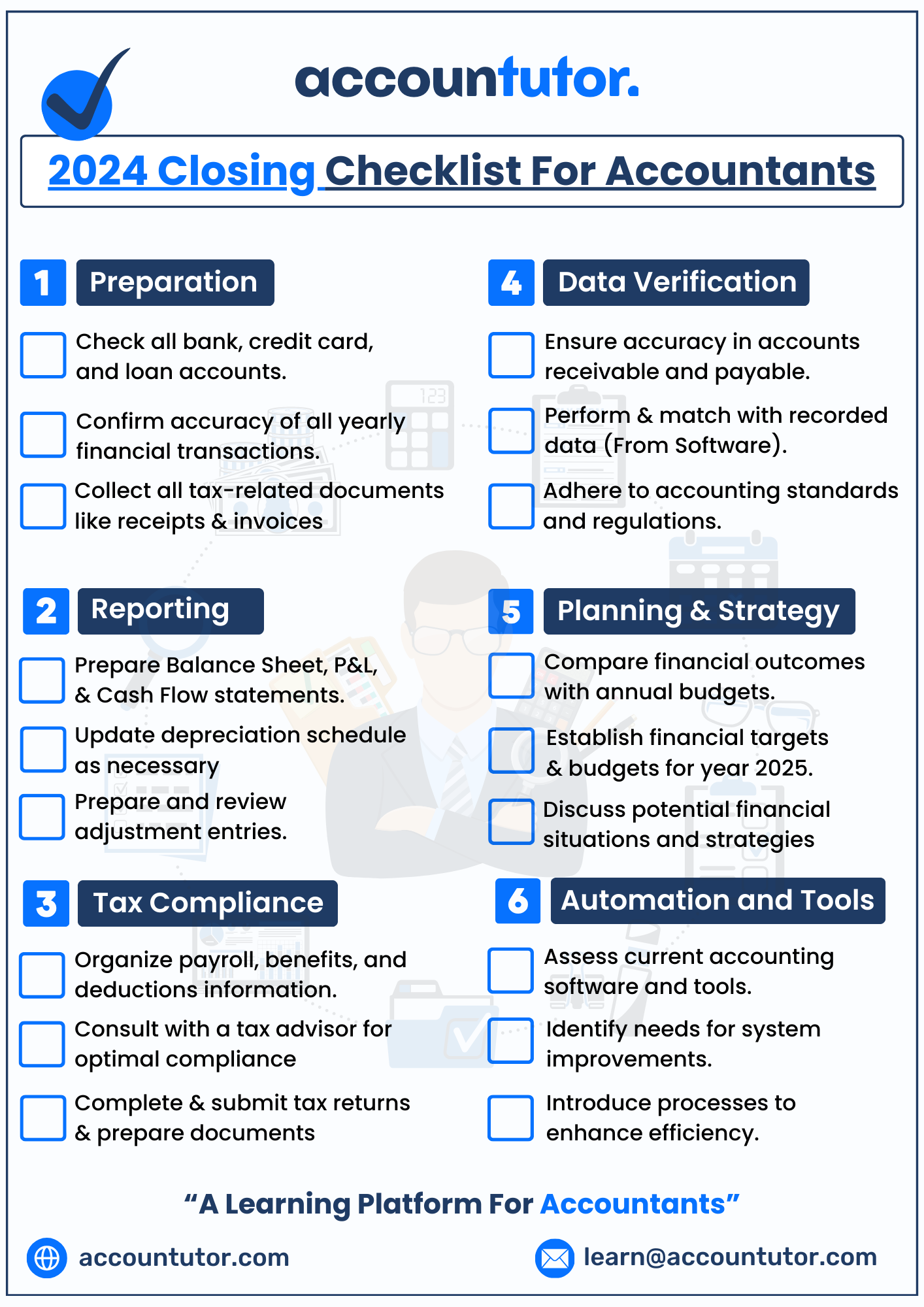
Download Checklist 2024
Thank you!
Register For Free!
Thank you!
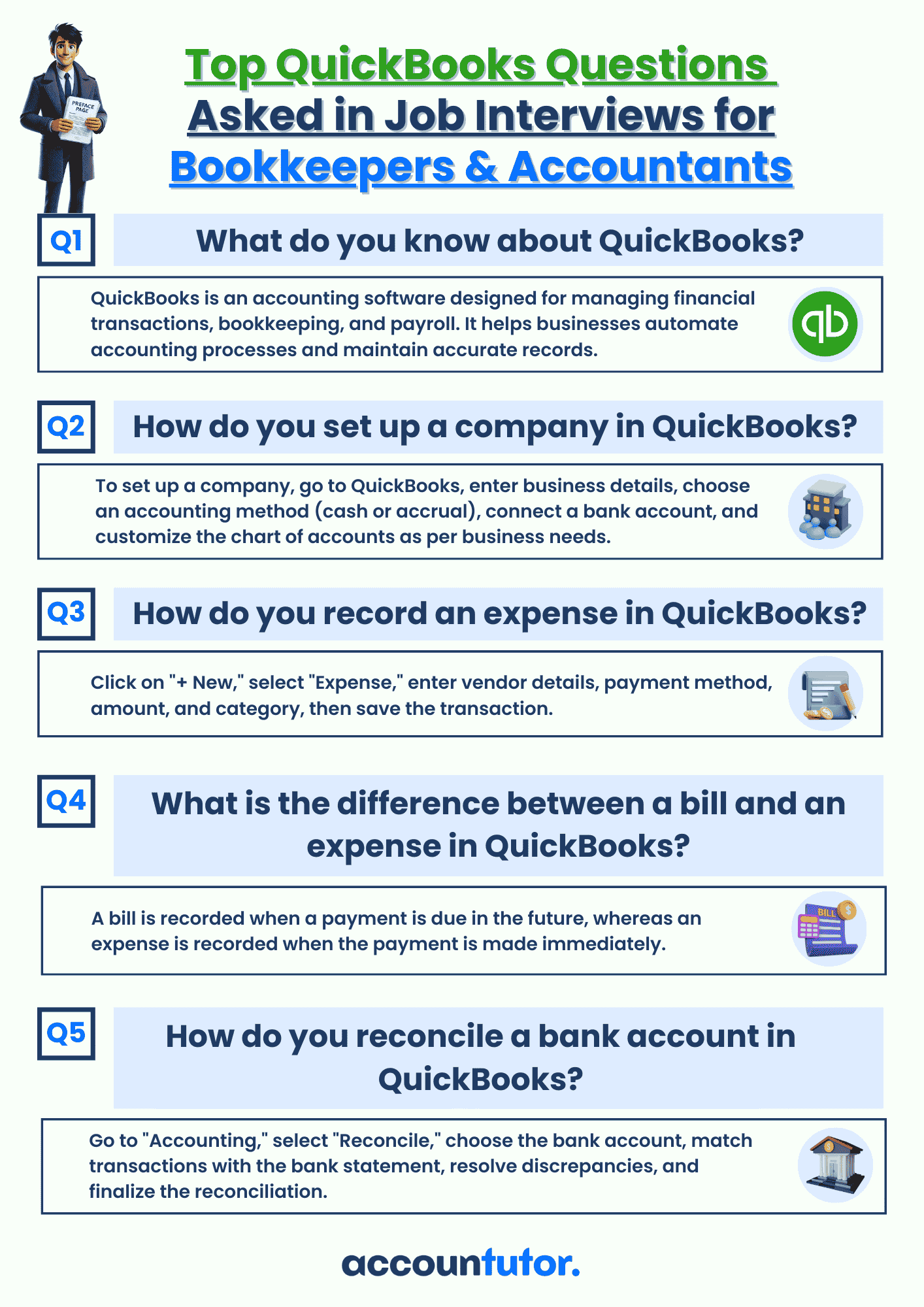
Download Interview Questions
Thank you!
Register for this webinar: How to Master QuickBooks Online— Without Feeling Overwhelmed
7th JUNE 2025 | 8:00 AM PST | 11:00 AM EST
Thank you! The joining link will be sent to your email shortly!
Webinar joining link will be sent to your email address.
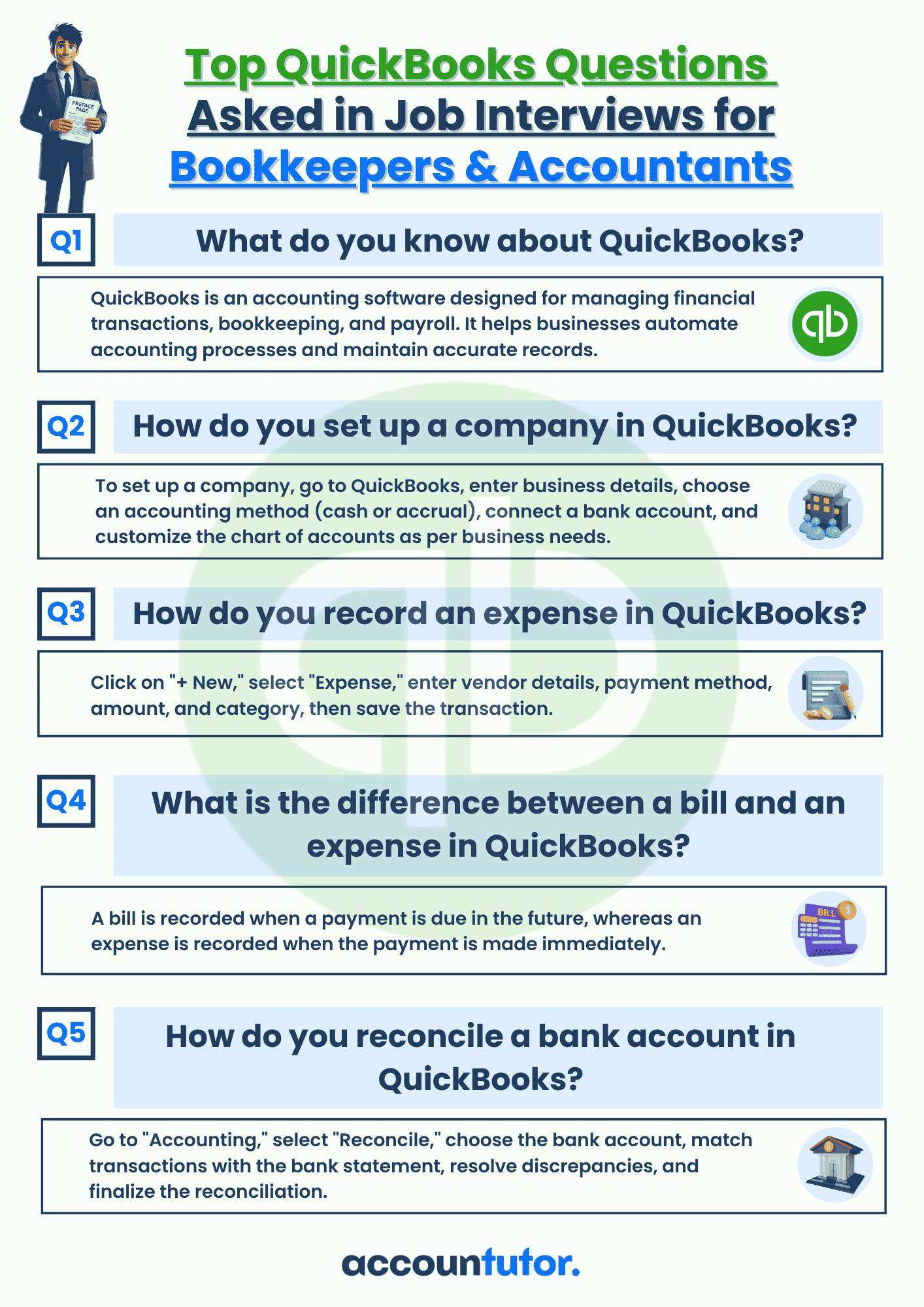
Download QBO Job Interview Questions and Answers PDF
Thank you!
Download Interview Questions
Thank you!

Download 50 Interview Questions For Bookkeepers
Thank you!

Download QuickBooks Online Guidebook
Thank you!
Created with