What is Balance Sheet?
Dec 25
Introduction
The balance sheet is one of the core financial statements that provides a snapshot of a company's financial position at a specific point in time. It shows the company’s assets, liabilities, and equity, following the accounting equation:
Assets = Liabilities + Equity.
The balance sheet is structured to provide insight into the company’s resources (assets), obligations (liabilities), and the residual interest of the owners (equity). It is essential for understanding a company’s financial stability and is widely used by stakeholders, including investors, creditors, and management, to make informed decisions.
How it works?
A coffee shop owner prepares a balance sheet on December 31st to assess the business's financial health. The shop’s assets include $10,000 in cash, $5,000 in accounts receivable from customers, $20,000 worth of coffee machines and equipment, and $15,000 in inventory. On the liabilities side, the shop owes $8,000 to suppliers (accounts payable) and has a $10,000 loan balance. The owner’s equity, representing the owner’s investment and retained earnings, is $32,000. The balance sheet confirms the accounting equation:
Assets ($50,000) = Liabilities ($18,000) + Equity ($32,000).
This balance sheet helps the owner evaluate the shop’s financial standing and make decisions about expansion or debt repayment.
Why it is important?
The balance sheet is a critical financial statement for businesses due to the following reasons:
1. Financial Health Assessment: It provides a clear picture of what a company owns (assets), owes (liabilities), and the net worth (equity), helping stakeholders assess stability.
Example: An investor uses the balance sheet to evaluate a company’s solvency before investing.
2. Liquidity Analysis: The balance sheet shows current assets and liabilities, helping businesses analyze their ability to meet short-term obligations.
Example: A retailer reviews its cash and accounts receivable to ensure it can pay suppliers.
3. Debt Management: Businesses use the balance sheet to monitor their liabilities and maintain an optimal debt-to-equity ratio.
Example: A manufacturing firm evaluates its debt level to determine if it can take on additional loans.
4. Investment Decisions: Investors analyze balance sheets to gauge a company’s financial position and growth potential.
Example: A venture capitalist reviews a startup’s balance sheet to assess asset utilization and liquidity.
Types of Balance Sheet Classifications:
1. Assets: Assets are divided into current and non-current categories.
o Current Assets: Include cash, accounts receivable, inventory, and other assets convertible to cash within a year.
Example: A business holds $50,000 in cash, $20,000 in receivables, and $30,000 in inventory.
o Non-Current Assets: Include property, plant, equipment, and intangible assets like patents.
Example: A factory owns $1 million worth of machinery and $2 million in real estate.
2. Liabilities: Liabilities are classified as current or non-current.
o Current Liabilities: Obligations due within a year, like accounts payable and short-term loans.
Example: A company owes $10,000 to suppliers and $5,000 on a short-term loan.
o Non-Current Liabilities: Long-term debts such as bonds payable or mortgages.
Example: A firm has a $100,000 loan payable over five years.
3. Equity: Equity represents the owners' residual interest in the company, comprising capital contributions and retained earnings.
o Owner’s Equity: For sole proprietors and partnerships.
Example: A shop owner’s initial investment of $50,000 and profits reinvested over time.
o Shareholder’s Equity: For corporations, includes common stock, additional paid-in capital, and retained earnings.
Example: A public company reports $1 million in shareholder equity, including $200,000 in retained earnings.
Conclusion:
The balance sheet is a fundamental financial statement that provides a detailed overview of a company’s financial position. By presenting assets, liabilities, and equity, it helps stakeholders assess liquidity, solvency, and overall stability. A well-prepared balance sheet aids in decision-making, regulatory compliance, and financial planning, making it an indispensable tool for businesses of all sizes.
Accounting and Bookkeeping courses for you
Subscribe to our newsletter
Stay informed with the latest accounting tips, tools, and updates from Accountutor right in your email inbox.
Thank you!
Policy Pages
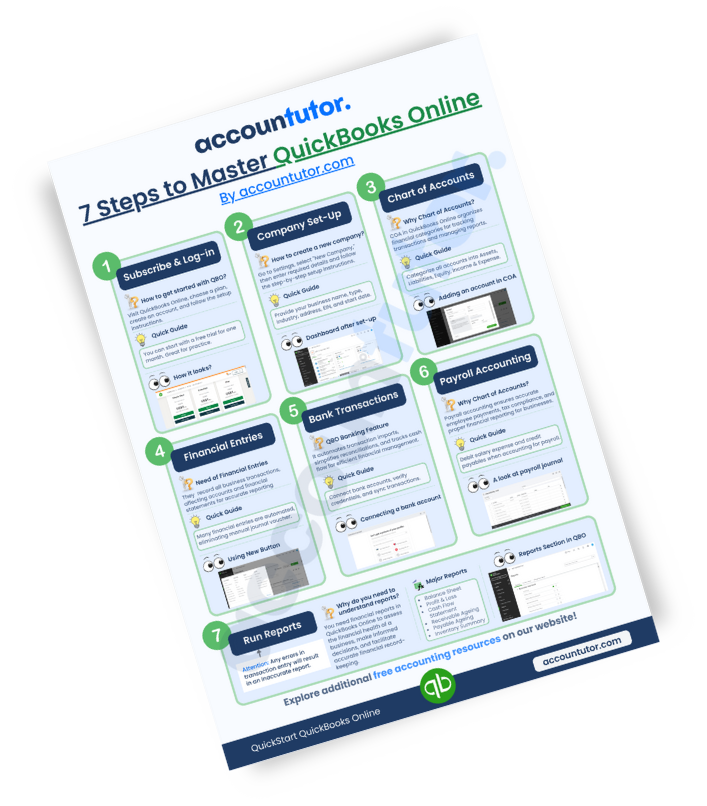
Download QuickBooks Online PDF Guide
Thank you!
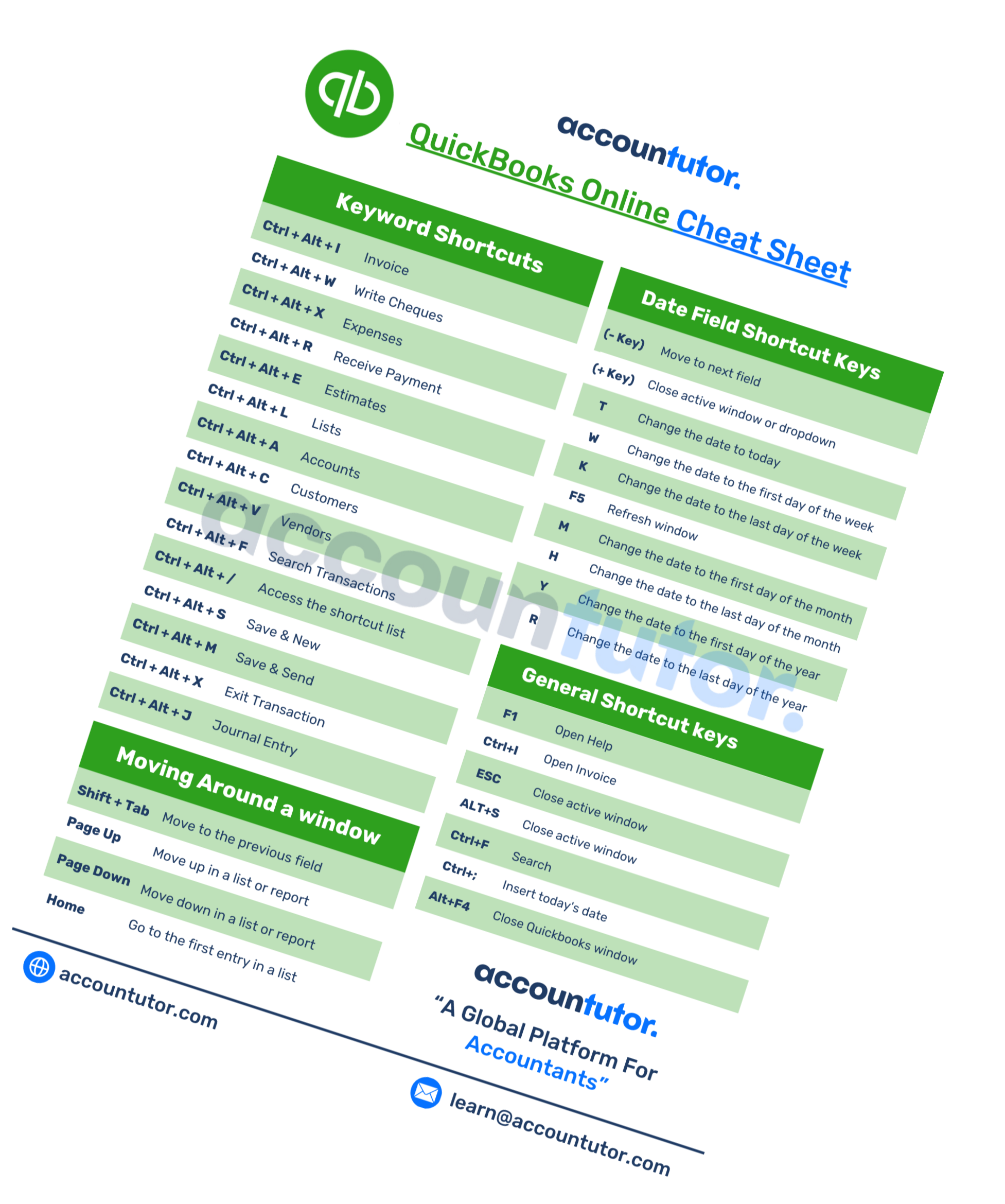
Download QuickBooks Online Cheat Sheet
Thank you!
Download ABCD of Accounting
Thank you!
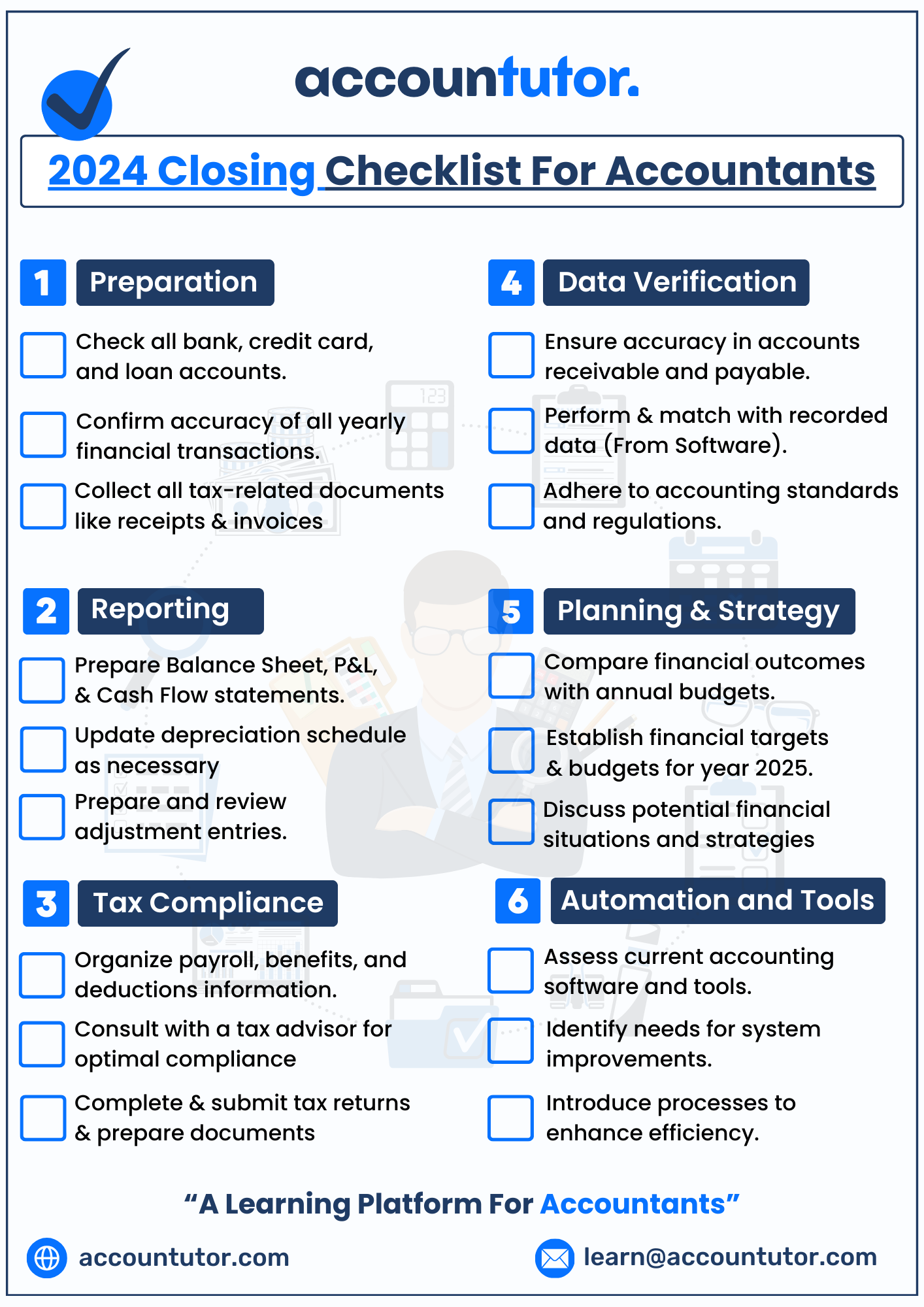
Download Checklist 2024
Thank you!
Register For Free!
Thank you!
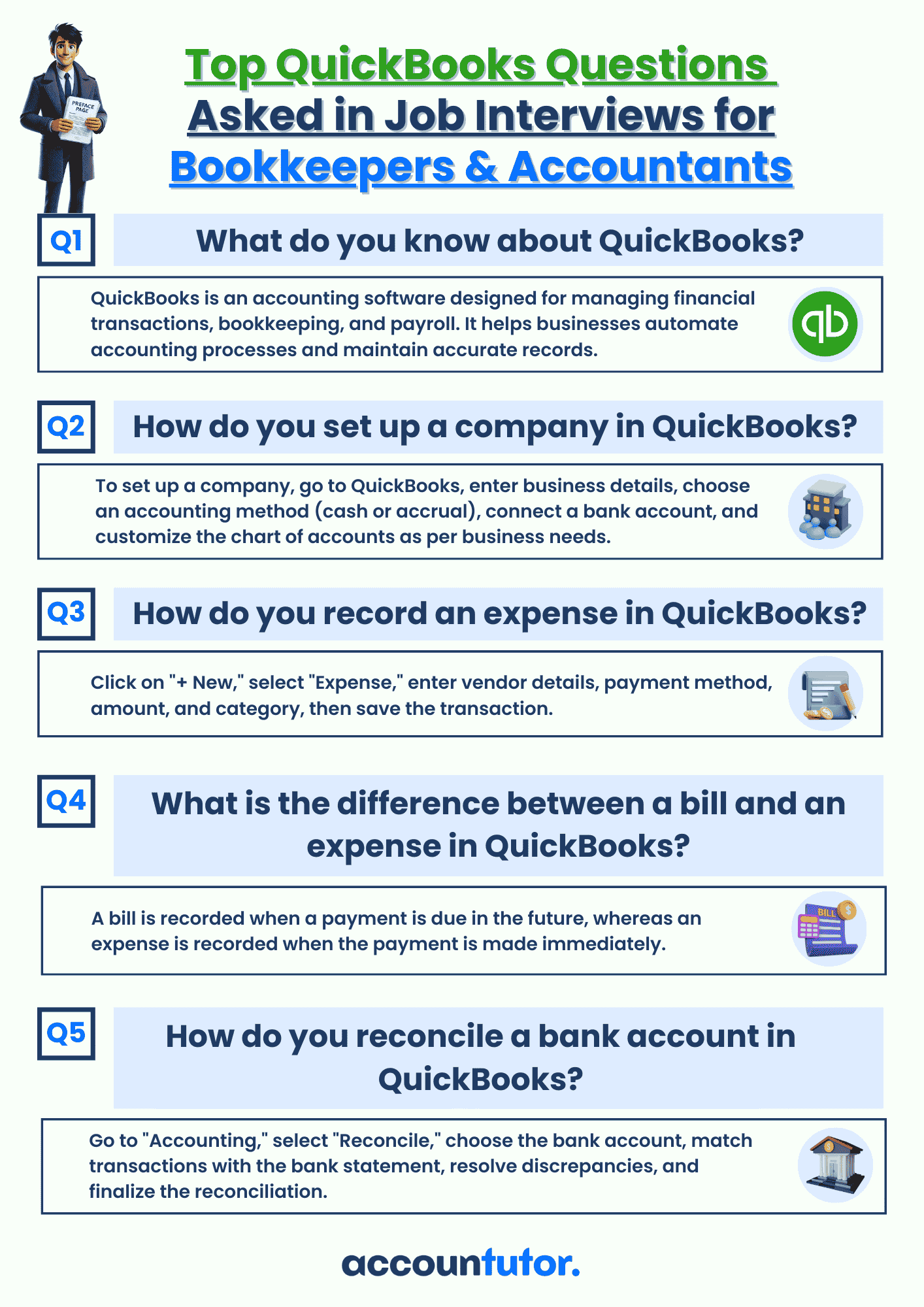
Download Interview Questions
Thank you!
Register for this webinar: How to Master QuickBooks Online— Without Feeling Overwhelmed
7th JUNE 2025 | 8:00 AM PST | 11:00 AM EST
Thank you! The joining link will be sent to your email shortly!
Webinar joining link will be sent to your email address.
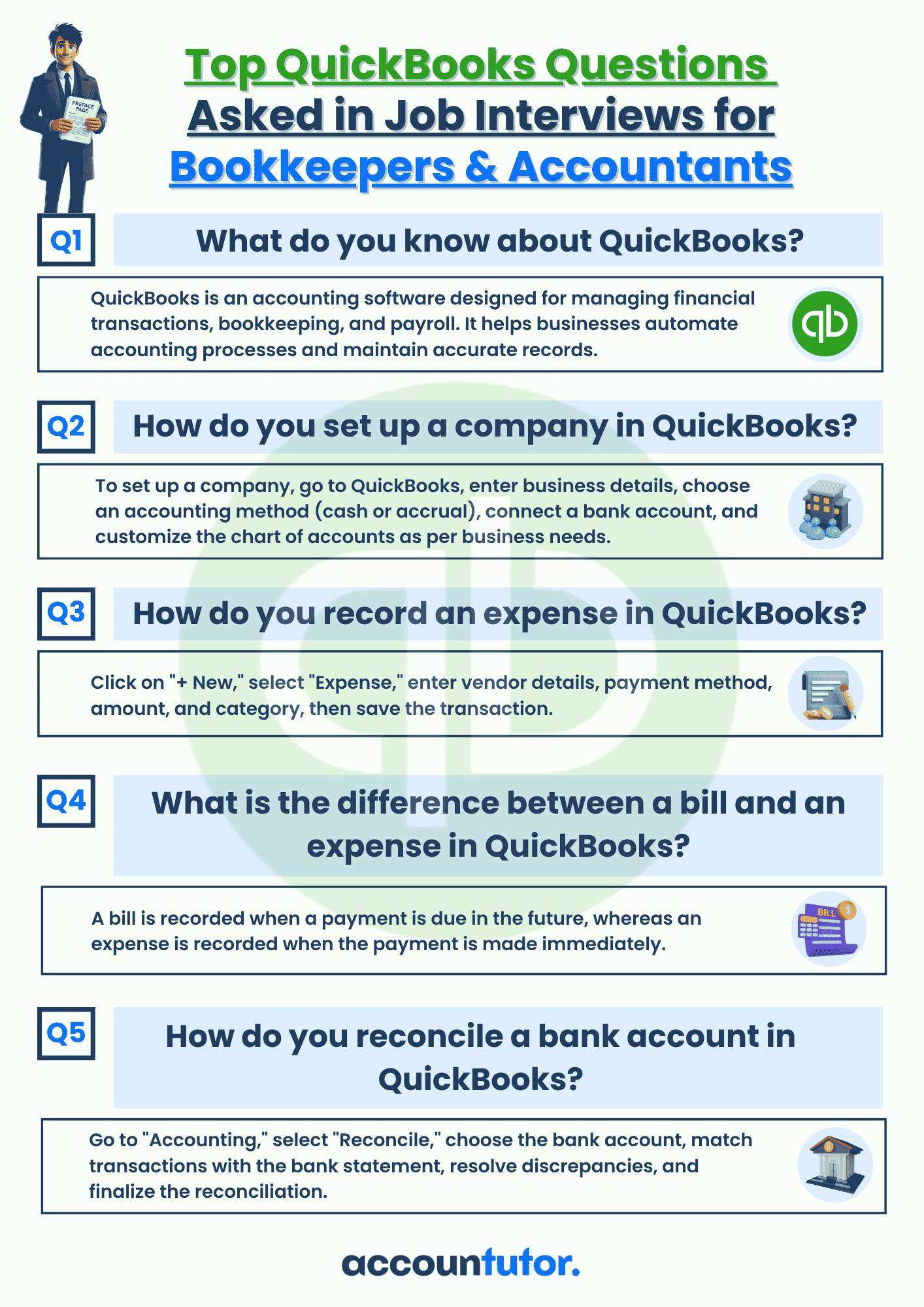
Download QBO Job Interview Questions and Answers PDF
Thank you!
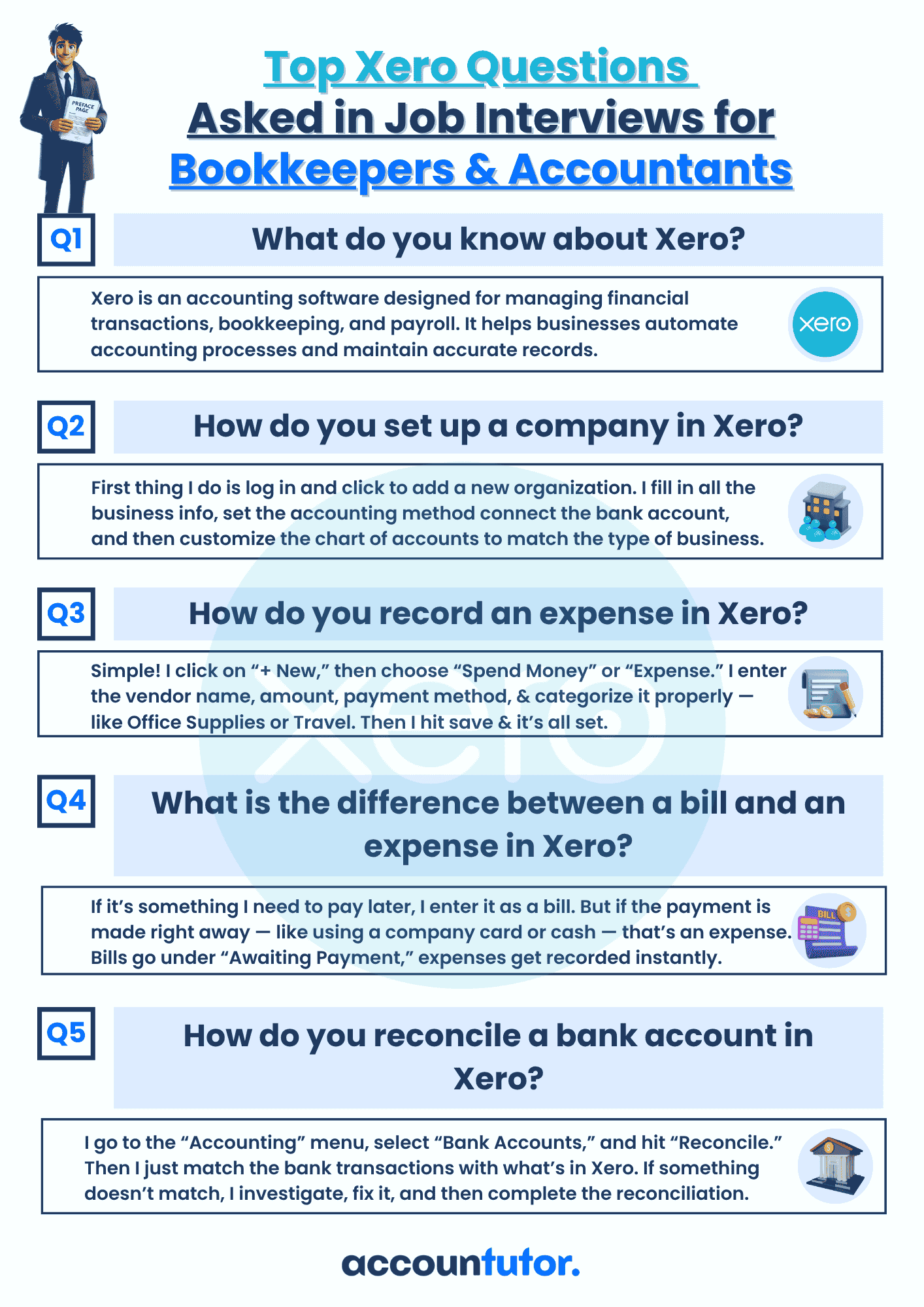
Download Interview Questions
Thank you!

Download 50 Interview Questions For Bookkeepers
Thank you!
Download QuickBooks Online Guidebook
Thank you!
Created with